
How to brew Espresso correctly?
Not everyone can brew a perfect cup of Espresso on their first try. If not properly managed, you might end up with a shot that’s too bitter, too watery, or lacking balance. So, how do you brew Espresso the right way? This guide will help you avoid common mistakes and provide detailed steps for brewing the perfect cup.
I. Common Mistakes in Espresso Brewing
Even experienced baristas can make errors that greatly affect the flavor and quality of their Espresso. Here are the most common mistakes to watch out for and how each impacts the final result:
Incorrect Grind Size
The grind size directly influences extraction time and flavor. If the grind is too coarse, water flows too quickly, resulting in weak, flat Espresso. If too fine, it can lead to over-extraction, causing bitterness and a harsh aftertaste.
Incorrect Coffee-to-Water Ratio
A balanced Espresso requires the right coffee-to-water ratio. Too much coffee makes the drink overly bitter and masks subtle flavors, while too little results in a weak, watery Espresso.
Incorrect Water Temperature
Water temperature plays a crucial role in flavor extraction. Water that’s too hot (above 96°C) burns the coffee, while too cool (below 90°C) leads to under-extraction and a dull flavor profile.
Inconsistent Extraction Time
The ideal extraction time for an Espresso shot is between 25 to 30 seconds. Anything shorter may lead to under-extraction, causing sourness and weak flavors. Over-extraction (longer than 30 seconds) results in excessive bitterness.
Uneven Tamping Pressure
If the coffee grounds aren’t tamped evenly, water may flow unevenly through the puck, causing inconsistent extraction. Both light and heavy tamping can negatively affect the flavor balance.
II. 8 Key Tips for Perfect Espresso Brewing
To brew a perfect Espresso, you need to pay attention to details at every step. Here are eight tips to ensure success:
1. Choose the Right Equipment
Espresso machines should have at least 6 to 9 bars of pressure. The filter basket should fit your machine and hold the right amount of coffee (typically 18-20 grams for a single shot).
2. Clean the Equipment Before Use
Cleaning the machine and filter after each use ensures proper flow and prevents leftover coffee grounds from affecting the taste.
3. Grind Coffee to the Right Fineness
Espresso requires finely ground coffee, resembling a powder-like consistency. The grind size should be adjusted to control the flow rate, preventing over or under-extraction.
4. Measure Coffee Accurately
Use an accurate scale to measure around 18 grams of coffee for a single shot. Consistent measurement ensures uniform results and improves flavor control.
5. Distribute and Tamp Coffee Evenly
Use techniques like the Weiss Distribution Technique (WDT) to evenly distribute the grounds before tamping. Apply a pressure of around 30 pounds to ensure a uniform surface.
6. Adjust Grind Size and Extraction Pressure
Regularly adjust grind size based on coffee type, roast level, and freshness. Also, ensure your machine’s pressure is set correctly (6-9 bars) for optimal extraction.
7. Control Extraction Time and Ratio
Keep the extraction time between 25-30 seconds. Adjust grind size or tamping pressure to control the flow, aiming for a 1:2 coffee-to-Espresso ratio.
8. Pre-infusion
Pre-infusing for 2-8 seconds helps evenly saturate the grounds, reducing channeling and improving flavor balance.

Brewing Espresso correctly requires precision in every step, from selecting the machine, grinding the coffee, tamping the grounds, to adjusting pressure and brewing time
III. Steps for Brewing the Perfect Espresso
To achieve a perfect Espresso shot, follow these steps:
Step 1: Prepare Ingredients and Equipment: Use quality coffee beans, a dedicated Espresso machine, and a good grinder.
Step 2: Grind the Coffee: Use around 18-20 grams of coffee, ground finely.
Step 3: Tamp the Grounds: Gently but firmly tamp the grounds to ensure even distribution.
Step 4: Extract the Espresso: Start the extraction, aiming for a slow, even flow that takes about 25-30 seconds. The finished Espresso should have a smooth crema on top.
Step 5: Enjoy: A well-brewed Espresso will have balanced flavors, a strong body, and a creamy finish.

Apply these tips and follow the steps in order to achieve the perfect Espresso tailored to your taste
Conclusion
Perfecting the art of Espresso brewing takes time and practice. By avoiding common mistakes and paying attention to every detail, from grind size to tamping pressure, you can achieve a rich, flavorful shot of Espresso every time. Visit XLIII Coffee to experience expertly crafted Espresso that showcases the full essence of specialty coffee beans!
IV. FAQs
Question 1: What common mistakes occur when brewing Espresso?
When brewing Espresso, common mistakes include improper grind size, incorrect coffee-to-water ratio, incorrect water temperature, extraction time that is either too fast or too long, and uneven tamping of the coffee. These mistakes greatly affect the flavor and quality of the Espresso shot.
Question 2: How can you avoid Espresso brewing mistakes?
To avoid Espresso brewing mistakes, you need to grind the coffee to the appropriate fineness, accurately measure the coffee and water ratio, ensure the water temperature is between 90-96°C, control the extraction time to be between 25-30 seconds, and tamp the coffee evenly with the right pressure to ensure a uniform extraction process.
Question 3: Why is grind size important when brewing Espresso?
The grind size of the coffee beans directly affects the extraction process. If the grind is too coarse, the water will flow through too quickly, failing to extract enough flavor, resulting in a weak and shallow Espresso. Conversely, if the grind is too fine, the water will struggle to penetrate, prolonging the extraction time and causing the coffee to taste bitter.
Question 4: How can you control the coffee-to-water ratio for a perfect Espresso?
The standard ratio for brewing Espresso is 1:2, meaning 18 grams of coffee for approximately 36 grams of Espresso. Using an electronic scale to measure the coffee accurately and ensuring the extraction time is between 25-30 seconds will help you create a balanced Espresso shot that is neither too bitter nor too weak.
Question 5: How does water temperature affect Espresso?
Water that is too hot (above 96°C) will “burn” the coffee, resulting in a bitter and dry Espresso. On the other hand, if the water is too cold (below 90°C), the coffee will not extract enough flavor, leading to a weak and shallow Espresso shot.

Bài viết mới
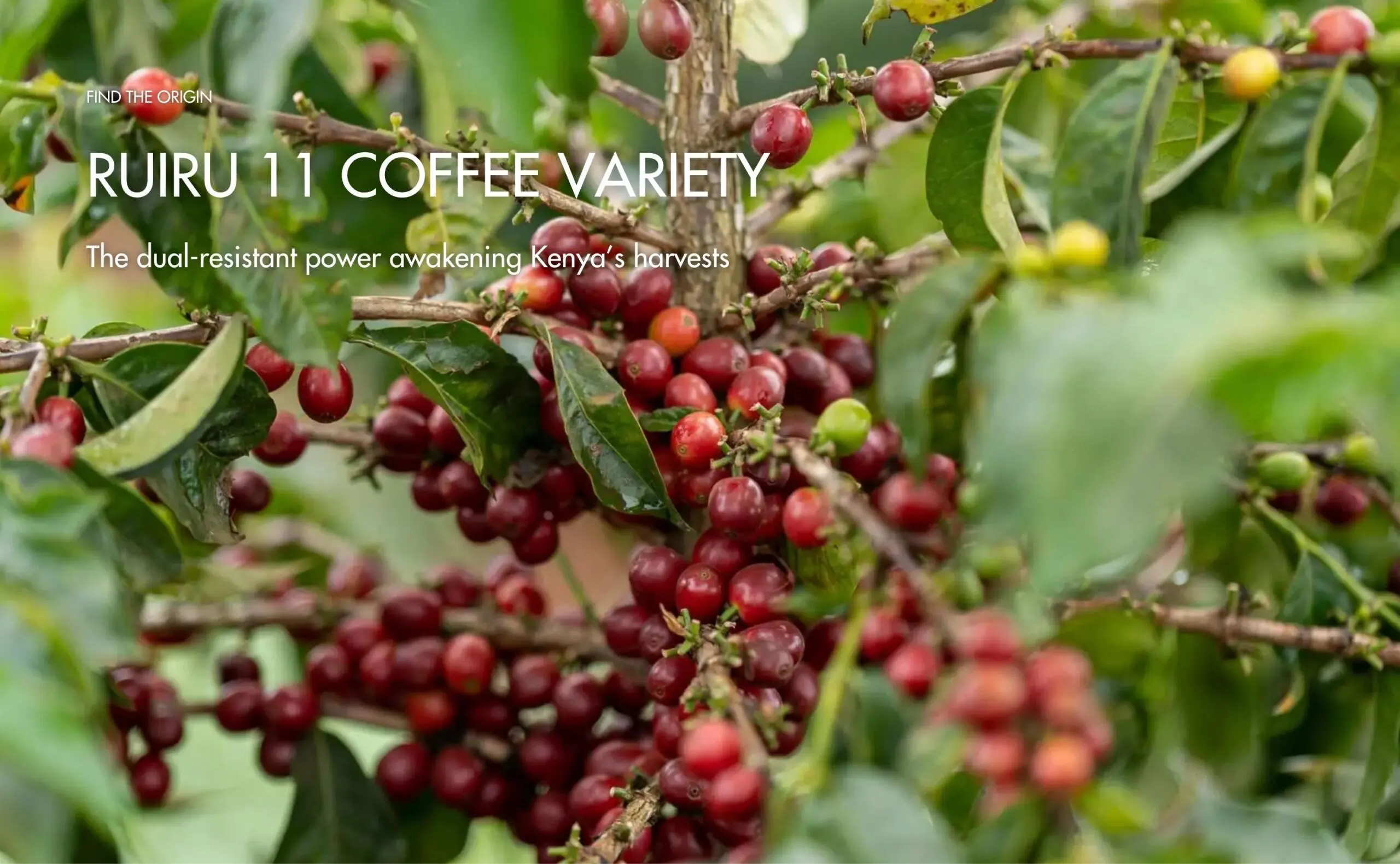
- Find the Origin
Ruiru 11 coffee variety – The dual-resistant power awakening Kenya’s harvests
Born from the ashes of a devastating pandemic, Ruiru 11 is a resilient response of indigenous wisdom to the trials of nature. Carrying a complex genetic code from 66 sibling isolines, this humbly statured coffee variety possesses superb “dual-resistance” against the twin shadows of Coffee Berry Disease and Coffee Leaf Rust. Overcoming early prejudices and the paradox of trade-offs between yield and flavor, Ruiru 11 has been weaving through nurseries, awakening dormant harvests across highland hillsides, and igniting a proud flame of self-reliance for Kenyan coffee.

- Taste the Origin
Sudan Rume #00313 by CGLE – The origin legend beneath the Eucalyptus canopy
From a wild coffee lineage discovered in the Rume Mountains in the 1940s to the enduring conservation efforts of Café Granja La Esperanza, Sudan Rume #00313 by CGLE invites drinkers on a sensory pilgrimage to the birthplace of the Arabica world. It is a rare biological legacy preserved through unwavering dedication, integrity, and deep reverence for history.
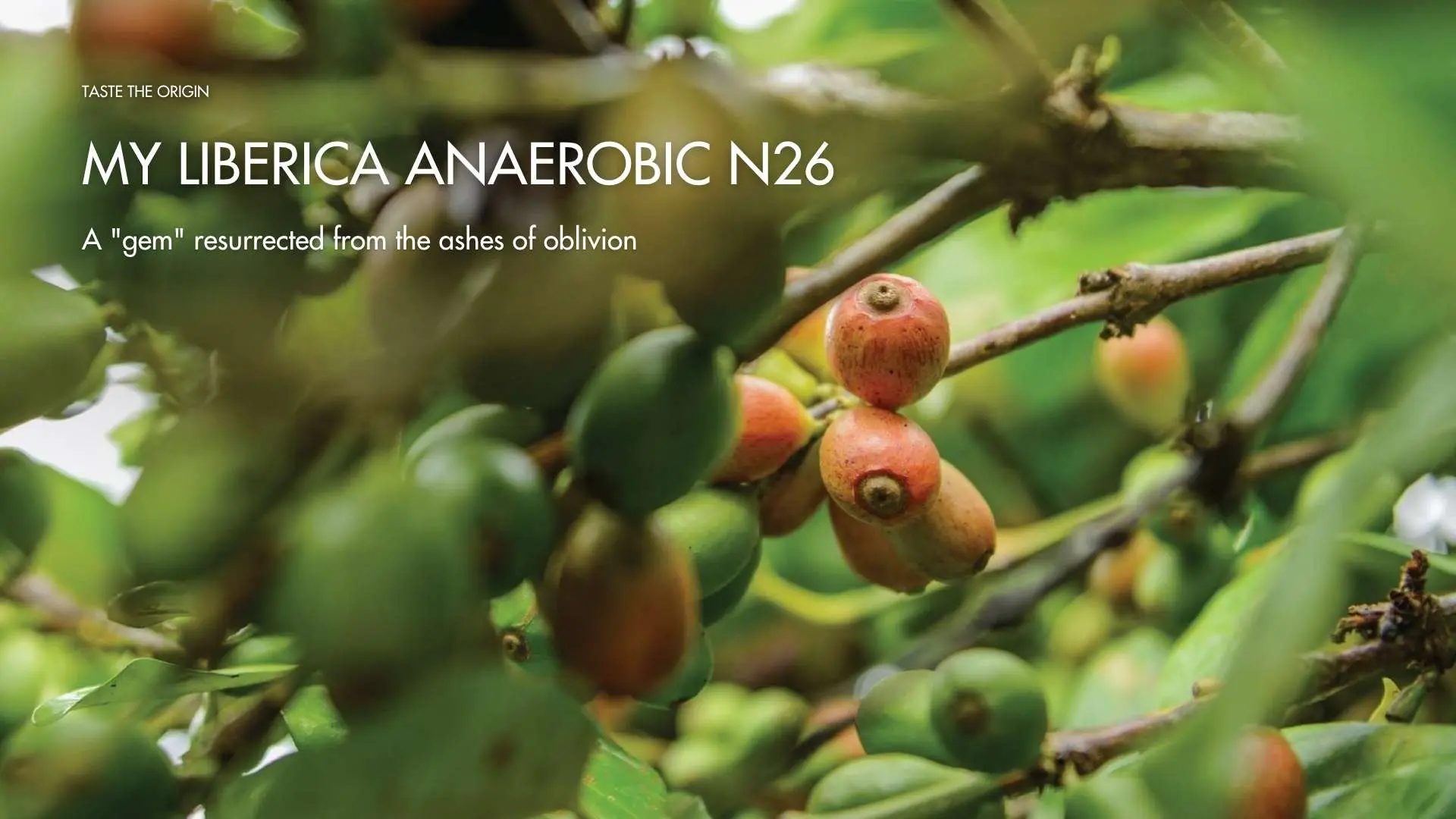
- Taste the Origin
My Liberica Anaerobic N26 – A “gem” resurrected from the ashes of oblivion
The journey of My Liberica Anaerobic N26 is the triumph of a forgotten species, awakened by the depth of understanding, patience, and faith in its original essence. From the heavy clay layers of Kulai to 26 days of transformation in absolute darkness, each step contributes to unlocking layers of flavor that the world once thought could not exist in Liberica. More than just a cup of coffee, My Liberica Anaerobic N26 is a powerful declaration that all great values begin with the courage to delve into their essence, and then rise to a unique voice that resonates throughout the world.


- Taste the Origin
Finca Soledad Mejorado Tyoxy & Fincas Putushio Mejorado – The red thread of the Jijón family
The simultaneous arrival of Finca Soledad Mejorado Tyoxy and Fincas Putushio Mejorado at XLIII Coffee paints a remarkable portrait of the adaptability of the Mejorado variety within Ecuador’s specialty coffee landscape. Nurtured by a shared family philosophy and a commitment to principled cultivation, these two processed lots represent both a breakthrough in microbial innovation and the remarkable return of an exceptional flavor profile.

- Taste the Origin
Finca La Palestina Gesha #5482 – A new chapter in the legend from Cajamarca
From the renowned Cajamarca region, Finca La Palestina Gesha #5482 returns after a period of absence with a proud and fresh appearance. Nurtured in ideal altitude conditions and the cool climate characteristic of the Andes, each coffee bean slowly accumulates subtle flavor nuances before being perfected using the Washed method to maximize the purity of the Gesha variety. Under a carefully refined extremely-light roast profile, this batch of coffee reveals layers of white jasmine, ripe citrus, and sweet golden apricot aromas, interwoven in an elegant and rich flavor structure.

Specialty Coffee in Vietnam
BRAND VALUE
YOU SHOULD HAVE KNOWN
XLIII Coffee has been aiming to become a big, impactful company with social responsibilities,
have access to high-quality raw materials and convey the complete original values of coffee to our customer
