
Negative effects of coffee roasting you may not know?
Every link in the coffee production and supply chain can make the coffee trade more sustainable or cause negative impacts on the environment and communities. But often, we are focusing more on the farm, the coffee shop and accidentally forget the influence of the roaster. Although it is only a prevention step, the environment can still be affected by the negative impacts of the coffee roasting process. Let’s find out with XLIII Coffee!
Roasting coffee causes pollution and affects human health
According to one study, the stages of coffee roasting and packaging account for 15% of the total carbon emissions on the journey from the farm to the tasting table. For roasters, coffee roasting accounts for 79% of the carbon dioxide (CO2) emissions of their business. Because coffee roasting is an energy-intensive process and emits a large amount of solid waste when burned. In addition, roasting coffee produces carbon monoxide, smoke, fine dust, and other toxic volatile compounds that escape from the air ducts connected to the roasting cage. These gases released into the surrounding environment are easily spread to neighboring areas, polluting the air, affecting the health of roasters and surrounding people. Especially carbon monoxide is the leading cause of dangerous respiratory diseases.
Not stopping there, many roasters use natural fuels combined with ventilation systems that cause all harmful gases to disperse into the atmosphere quickly. These emissions accumulate causing an increase in the concentration of greenhouse gases of the earth (CO2, methane, …) leading to higher global temperatures. This leads to a rapid increase in ice at the poles, breaking some natural laws, and affecting the habitat of humans and creatures on Earth.

How to reduce emissions during coffee roasting
One of the methods most used by roasters is to invest in a more sustainable machine to cut emissions during the roasting process. A new machine using thermal circulation technology will help reduce gas consumption and reduce emissions optimally. Many roasters today also incorporate patented vortex and balance systems that allow for more stable roasting profiles. Installing these systems makes it possible for roasters to comply with all emissions rules and regulations and reduce consumption, says the production engineer at coffee roaster maker IMF, Lorenzo Mosca. more energy. Furthermore, switching from a more traditional roaster to a newer one can have a big impact on the roast profile. This can cause roasters to dramatically change the way they roast their coffee. However, for smaller roasters, paying the upfront cost of buying a new machine can be a challenge.
In addition, roasters can reduce their carbon footprint by adjusting their roast profile. Emission levels tend to be higher when you roast at higher temperatures or with a darker roast profile. Therefore, a light roast instead of medium or dark is also a good solution.

As the brand that provides specialty coffee XLIII Coffee, in addition to using a modern roaster, it also chooses an Extremely Light roasting level for all coffee lines. Roasting mode with a temperature not exceeding 194 degrees Celsius, ends as soon as the first crack appears to save energy consumption and minimize emissions into the environment. Moreover, this roasting method fully preserves the inherent characteristics of high-quality coffee beans. From there, when preparing, each drop of flavor imbued with the identity of the growing area is allowed to spread to diners the most authentic experience.
If you want to enjoy pure coffee beans, grown and supplied according to sustainable standards, visit XLIII Coffee!
Source: perfectdailygrind
Articles you may be interested in
– How to control the quality of green coffee beans of the specialty roaster?
– Tips on how to find sustainable specialty coffee roasters
– The volatility of coffee prices in the forex market and how to balance risks

Bài viết mới

- Find the Origin
Mandela coffee variety – A convergence of generations from a masterpiece breeding strategy
Amidst the constant fluctuations of the era, Mandela emerges as a gentle yet resilient response from the soil. Instead of attempting to alter or impose upon nature, this breeding strategy is, in essence, a profound act of listening. Each Mandela coffee bean carries the bloodline of multiple generations, possessing both the serene, steadfast nature of native trees and the sparkling elegance of premium varieties. It is a sacred continuation, where the flow of generations ultimate honors the original value of the species, imparting an intact and sustainable vitality into every cup.


- Taste the Origin
Nigussie Nare – Murago Outgrowers #03028: Cultivated from the Values of Sustainable Reciprocity
Nestled beneath the shade trees of Sidama, Bensa, the Nigussie Nare – Murago Outgrowers #03028 coffee lot serves as a living testament to the values of sustainable reciprocity. This symbiosis begins with the intimate bond between a rich indigenous ecosystem and the smallholder farmers of the Murago region. Each harvested bean is the culmination of a virtuous cycle: a stable environment produces exceptional bean quality, and sustainable economic growth, in turn, continues to protect the verdant canopy of the great forest.

- Taste the Origin
Rift Valley Coffee Caucus #03757 – A Testament to Western Kenya’s Collective Spirit
Turning our gaze to the Great Rift Valley of East Africa, the fertile volcanic landscapes are witnessing an inspiring transformation. Moving away from fierce, survival-driven competition, smallholder farmers in Western Kenya have chosen to join forces, forging a resilient and unified network. The Rift Valley Coffee Caucus #03757 lot stands as the ultimate testament to this remarkable collective synergy.

- Breaking News
Airworks Coffee & XLIII Coffee – A “handshake” that brings original flavors across borders
XLIII Coffee, alongside our key wholesale partner Airworks Coffee, officially announces the latest release of specialty coffee lots for the North American market. This event reaffirms our commitment to bringing original flavors across all geographical barriers to coffee enthusiasts.
Early access (for Subscribers of Airworks): 10:00 AM (PST) | Wednesday, April 29, 2026
General access: 10:00 AM (PST) | Friday, May 1, 2026
We invite our Customers and Partners to visit (airworkscoffee.com) for detailed information and to prepare for this special release!
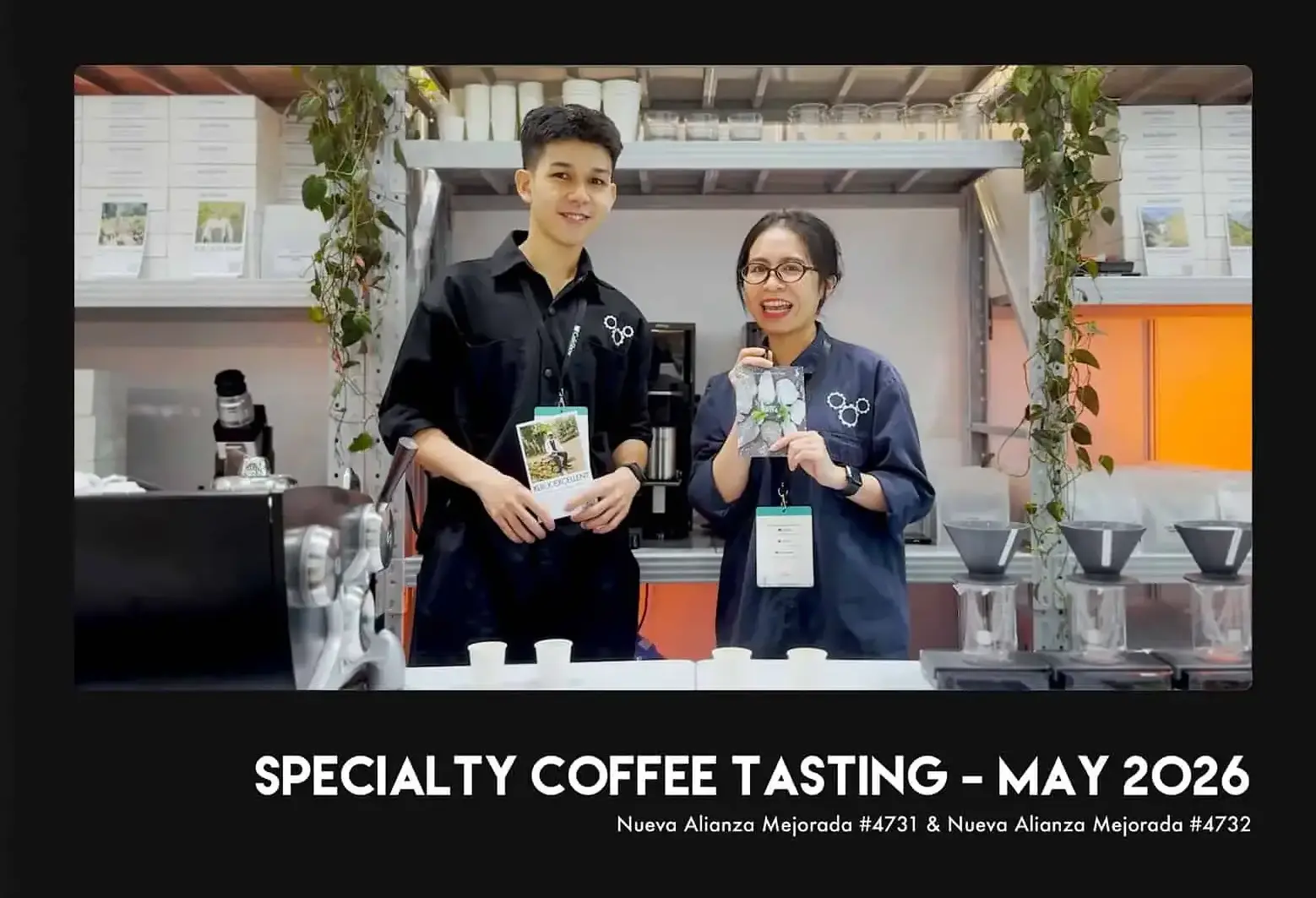
- Taste the Origin
Unveiling May Discovery Subscription: Nueva Alianza Mejorada #4731 & Nueva Alianza Mejorada #4732
The Discovery Subscription is a silent dialogue, a place where the soul of the connoisseur finds a harmonious beat with distant lands. Like a transparent lens, we become storytellers, meticulously peeling back layers of cultural sediment, the breath of the soil, and the human philosophies hidden within every coffee bean.
May arrives with brilliant streaks of golden sunlight, a time when we long to hide beneath the lush, dew-drenched canopies of Santa Teresa. Amidst the silence of the Andes, when compassion touches Mother Earth, what will we hear? Perhaps it is a sweet response that nature reserves solely for souls who know how to wait patiently.

Specialty Coffee in Vietnam
BRAND VALUE
YOU SHOULD HAVE KNOWN
XLIII Coffee has been aiming to become a big, impactful company with social responsibilities,
have access to high-quality raw materials and convey the complete original values of coffee to our customer
