
Obata Coffee Variety: The Perfect Choice for Every Coffee-Growing Region
From mist-covered mountain peaks to fertile valleys, the Obata coffee variety thrives with remarkable vigor. Its ability to adapt to a wide range of altitudes, coupled with exceptional pest and disease resistance and high-quality coffee beans, has made Obata a trusted choice for coffee farmers around the world.
I. Origin of the Obata Coffee Variety
The Obata coffee variety is the result of a cross between two renowned cultivars: Timor Hybrid and Villa Sarchi. This breeding program was conducted at the Campinas Agronomic Institute (IAC) in Brazil in 2000, with the goal of creating a coffee plant that offers both high productivity and strong disease resistance.
After its development, Obata was introduced to Costa Rica in 2014 by the Costa Rican Coffee Institute (ICAFE). Within a short time, it gained popularity among farmers thanks to its outstanding attributes, becoming a living testament to the achievements of coffee breeding science.
By combining Timor Hybrid – known for its resistance to coffee leaf rust, with Villa Sarchi – prized for its cup quality, Obata inherits both resilience and excellent flavor. In the context of climate change and the increasing threat of pests and diseases, Obata stands out as a strategic choice for coffee-growing regions seeking stable yields and quality.
II. Identifying Characteristics of Obata Coffee

Obata comes in two main variants: Obata Rojo, with red ripe cherries, and Obata Amarillo, with yellow ripe cherries.
The plants typically grow to 1.8 – 2.4 meters in height, with a wide canopy and vigorous branching. The leaves are dark green, glossy, and oval-shaped – a sign of robust health.
The flowers are white, mildly fragrant, and usually bloom in spring. After pollination, the cherries mature from green to red or yellow, depending on the variety, and ripen evenly, making harvesting easier and more cost-efficient.
Obata beans are medium-sized and uniform in shape. When roasted, they release a sweet aroma, have a creamy body, gentle acidity, and flavor notes of chocolate and citrus. This balanced profile appeals to both the commercial roasting market and the specialty segment.
One of Obata’s most notable strengths is its resistance to coffee leaf rust (Hemileia vastatrix) and root-knot nematodes, two of the most damaging threats to coffee plants. This ensures long-term plant health while reducing reliance on chemical protection.
A remarkable example of its potential is a washed Obata lot from Finca Ahuateno in Puebla, Mexico, produced by Abel Manzano Luna, which achieved 7th place at the Cup of Excellence Mexico 2024 with a score of 87.58 points, a significant accomplishment in the high-quality coffee segment.


III. Why Obata is Known as the All-Terrain Coffee Variety
The Obata coffee variety is regarded as one of the world’s successful achievements in coffee breeding, thanks to its flexible adaptability to a wide range of terrains and climates.
Bred from Timor Hybrid – renowned for its strong disease resistance and Villa Sarchi – celebrated for its exceptional cup quality, Obata inherits the best of both: vigorous growth and high-quality beans. This enables the variety to thrive not only in cool highland regions but also in areas of medium altitude or with variable climate conditions.
One of the key factors behind Obata’s “all-purpose” reputation is its resistance to coffee leaf rust and root-knot nematodes – two of the most damaging threats to coffee crops worldwide. This resilience allows farmers to significantly reduce pesticide costs while maintaining stable yields over multiple harvests, even under less-than-ideal weather conditions.


In addition, Obata stands out for its high and consistent yields. On average, this variety produces 5-7 tons of green beans per hectare, enabling farmers to boost profitability without compromising bean quality.
In the coffee market, Obata beans are highly regarded for their balanced profile, pleasant sweetness, and silky body. These qualities make the variety equally suitable for large-scale commercial roasting as well as the specialty coffee segment. This “dual flexibility” allows Obata to cater to both volume-driven production and premium markets.
The harmonious combination of wide adaptability, strong disease resistance, stable yields, and appealing flavor has earned Obata the title of “the all-purpose coffee variety for every growing region.” Whether in Vietnam’s Central Highlands, the Brazilian plateau, or the humid tropics of Africa, this variety can unleash its full potential and deliver outstanding economic returns for growers.
IV. Obata and the Race Among Today’s Most Popular Disease-Resistant Coffee Varieties
In the face of climate change and the growing threat of plant diseases, coffee varieties with strong disease resistance and high productivity have become top choices for farmers worldwide. Four notable contenders, Obata, Catimor, Hemavathi, and Mundo Novo, each carry valuable genetic traits while showing clear differences in yield, quality, and adaptability.

In terms of disease resistance, Obata and Catimor lead the pack with strong defenses against coffee leaf rust and nematodes – two of the most destructive threats in many coffee-growing regions. Hemavathi, a Bourbon mutation developed by India’s Central Coffee Research Institute (CCRI), also shows impressive resistance to coffee leaf rust, making it particularly well-suited to humid tropical climates. By contrast, Mundo Novo, while strong in other aspects, remains more susceptible to leaf rust and nematodes, putting it at a disadvantage in areas with high disease pressure.
When it comes to productivity, Catimor and Obata again hold a competitive edge, averaging 5-8 tons/ha and 5-7 tons/ha, respectively. Hemavathi offers steady yields in the range of 4-6 tons/ha, whereas Mundo Novo averages 3–5 tons/ha, making it better suited for farmers who prioritize quality over maximum output.
|
Catimor |
Hemavathi |
Mundo Novo |
Obata |
|
|
Orign |
Cross between Caturra and Timor Hybrid |
Natural Bourbon mutation |
Cross between Red Bourbon and Typica |
Cross between Timor Hybrid and Villa Sarchi |
|
Disease Resistance |
Very high (resistant to leaf rust and nematodes) |
Very high (resistant to leaf rust) |
Moderate (susceptible to rust and nematodes) |
High (resistant to leaf rust and nematodes) |
|
Yield |
Very high (5-8 tons/ha) |
High (4-6 tons/ha) |
Medium (3-5 tons/ha) |
Very high (5-7 tons/ha) |
|
Bean Quality |
High acidity, mild bitterness |
Sweet, fruity notes |
Sweet, low acidity |
Balanced, sweet aftertaste, smooth body |
|
Notable Characteristics |
Widely grown in Central America; high yields but variable cup quality. |
Developed by CCRI; thrives in humid tropical climates; good yield and quality. |
Strong trees, suitable for low and mid-altitude regions; favored in Brazil |
Adapts well to various altitudes; stable yields; high cup quality |
In terms of cup quality, Obata stands out with its balanced profile, sweet aftertaste, and smooth mouthfeel, making it versatile for both commercial roasting and specialty coffee markets. Hemavathi earns praise among roasters for its delicate sweetness and fruity aromas, aligning well with the growing demand for high-quality coffee in Asia.
Mundo Novo retains a strong position in traditional coffee markets, particularly in Brazil, thanks to its rich, well-balanced flavor. By comparison, while Catimor offers excellent productivity and disease resistance, its flavor profile is often considered less refined than the other three.
Overall, Obata is emerging as a well-rounded contender, balancing productivity, resilience, and flavor quality. Catimor remains a strategic choice for large-scale, high-risk disease areas. Hemavathi represents a successful breeding achievement in India, delivering both good quality and reliable yields in humid tropical conditions. Mundo Novo continues to be favored in traditional regions where rust is not a major threat.
In conclusion,
With its blend of biological strengths and market potential, Obata stands out as a strategic choice for coffee regions seeking both efficiency and sustainability. Its strong disease resistance reduces input costs, while stable yields and balanced flavor open doors to both domestic and export markets.
Images curated by XLIII Coffee.
V. FAQs
1. In what regions and elevations does Obata grow best?
Obata demonstrates remarkable adaptability to a wide range of terrains. It thrives at elevations between 800 and 1,400 meters above sea level, where temperatures are moderate and rainfall is consistent. The ideal soils are basaltic or loamy clay, loose, rich in organic matter, and well-drained.
Thanks to its tolerance for both lowlands and mid-elevation areas, Obata serves as a versatile choice for coffee-growing regions worldwide—from the highlands of Central America to humid tropical zones.
2. What care regime does Obata require for optimal yields?
To achieve peak productivity, Obata requires balanced fertilization (especially nitrogen, phosphorus, potassium, and trace elements) and well-managed canopy pruning to optimize light penetration and airflow.
While its resistance to coffee leaf rust and nematodes reduces pest control costs, regular monitoring is still necessary to detect other potential threats. Maintaining ground cover or intercropping with shade trees helps retain moisture, prevent erosion, and enhance cup quality.
3. Does cultivating Obata offer long-term economic benefits?
Absolutely. With consistently high yields (averaging 5-7 tons of green coffee per hectare) and lower disease-control expenses, Obata delivers sustainable profits over the years. Its stable bean quality, balanced flavor with a sweet finish, suits both commercial and specialty markets, diversifying sales channels.
In regions such as Brazil, Costa Rica, and Mexico, Obata has proven capable of maintaining both yield and profitability even under changing climate conditions.
4. Is Obata suitable for sustainable coffee farming models?
Yes, very much so. Its strong disease resistance reduces the need for chemical pesticides, limiting negative impacts on the environment and farmers’ health. It also adapts well to agroforestry systems or organic farming, thanks to its broad adaptability and relatively low maintenance requirements. This makes it easier for growers to meet sustainability certifications such as Rainforest Alliance or Fairtrade.
5. Does Obata have export potential, or is it best for domestic markets?
Obata has clear export potential. Its balanced flavor, sweet finish, and smooth body are well-regarded internationally, particularly in the premium commercial roasting segment.
Several Obata lots from Mexico and Brazil have been recognized in prestigious competitions like the Cup of Excellence, opening doors to major global roasters. As a result, the variety is well-suited for both domestic consumption and inclusion in export coffee supply chains.

Bài viết mới

- Find the Origin
Mejorado Coffee Variety – The Perfect Blend of Bourbon & SLN Hybrid Lineage
Originating from the windswept hillsides of the South American highlands, the Mejorado coffee variety tells the story of a genetic masterpiece that is redefining the boundaries of the contemporary Specialty Coffee world. Behind a easily misunderstood name lies a completely distinct alter ego, where the sweet heritage of the Bourbon variety intertwines with the resilient vitality of the SLN hybrid lineage. Thanks to a profound slow-ripening process in the chill of extreme altitudes, this seed nurtures a magnificent flavor profile with ethereal floral and fruit notes, stepping onto the altars of global competitions to assert its status as a future icon, ready to stir the most discerning senses.
- Taste the Origin
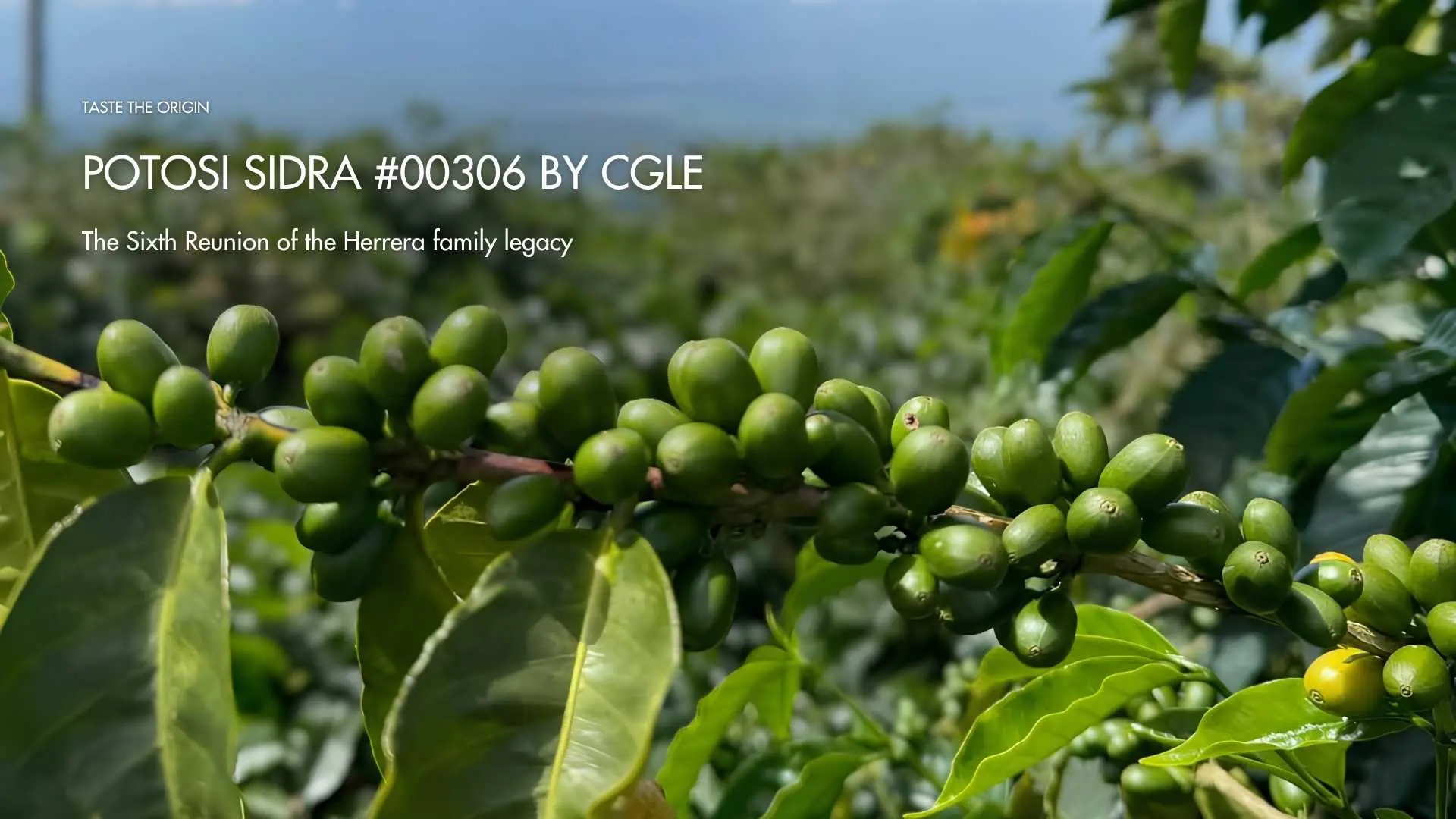
Potosi Sidra #00306 – The sixth reunion of the Herrera family legacy
The sixth harvest marks the return of Potosi Sidra #00306 by CGLE, carrying the presence of a family patriarch entrusted with more than eighty years of heritage from the Herrera family. Cultivated in the founding valley of Potosi since 1945 in Caicedonia, this genetic treasure born from the union of Bourbon and Typica presents a remarkably evolved sensory profile. Through its Extremely Light Roast philosophy and the financial transparency of the Paid for Producer model, XLIII Coffee chooses to preserve the authentic voice of terroir and the coffee’s original flavor structure.
- Taste the Origin
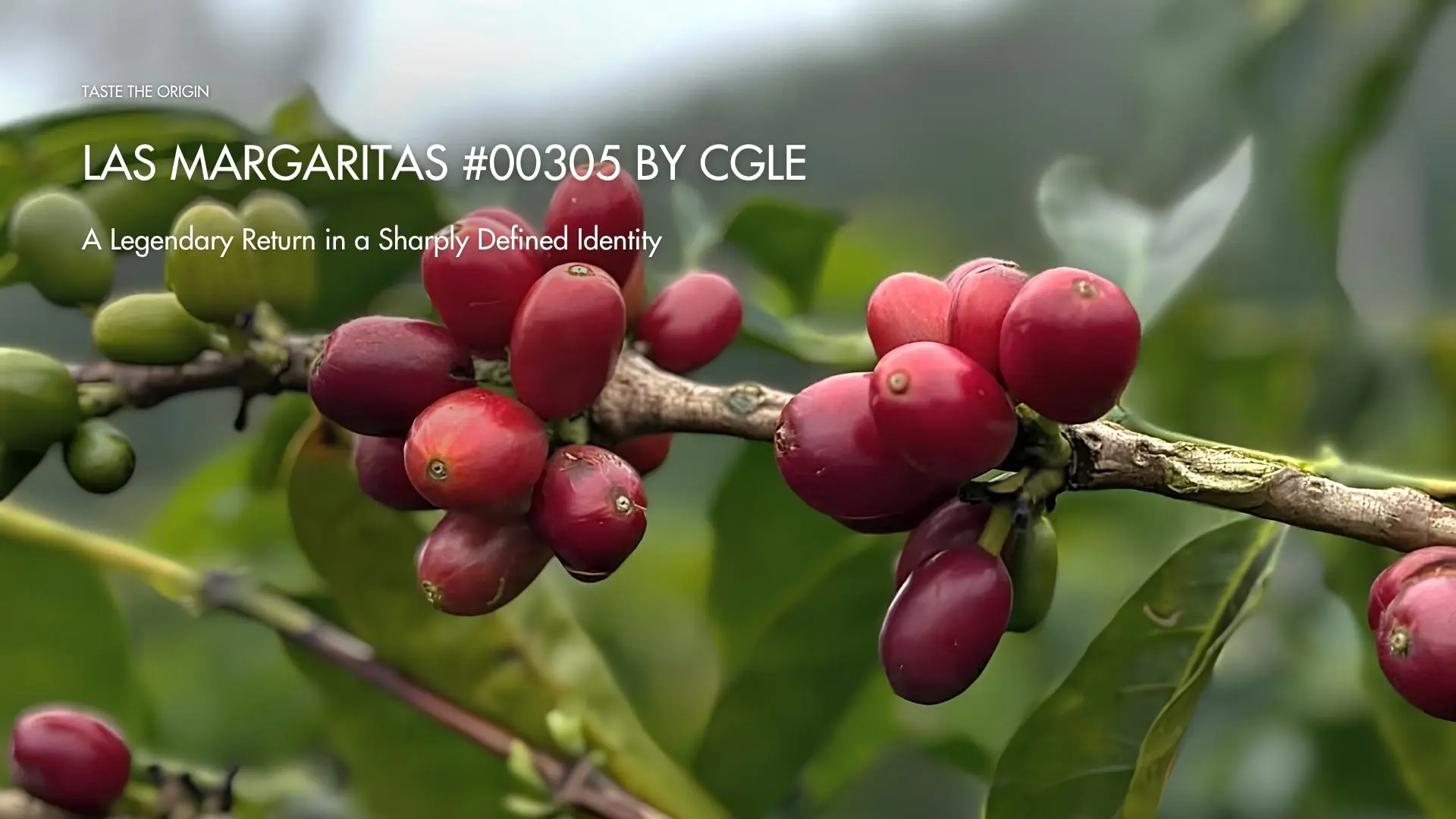
Las Margaritas #00305 by CGLE – A Legend Reunited in a Sharper Identity
Las Margaritas #00305 by CGLE returns to XLIII Coffee as a Gesha masterpiece reborn from the renowned Valle del Cauca region. Infused with the exquisite craftsmanship of Café Granja La Esperanza, this rare batch of coffee embarks on an enchanting flavor journey with vibrant citrus notes, delicate jasmine, and an elegant, lingering Earl Grey finish. Each drop is a crystallization of fertile volcanic soil and the sustainable farming philosophy that CGLE has persistently pursued for decades, creating a full-bodied, sharp flavor profile while retaining the pristine beauty characteristic of the royal Gesha variety.

- Find the Origin
Mandela coffee variety – A convergence of generations from a masterpiece breeding strategy
Amidst the constant fluctuations of the era, Mandela emerges as a gentle yet resilient response from the soil. Instead of attempting to alter or impose upon nature, this breeding strategy is, in essence, a profound act of listening. Each Mandela coffee bean carries the bloodline of multiple generations, possessing both the serene, steadfast nature of native trees and the sparkling elegance of premium varieties. It is a sacred continuation, where the flow of generations ultimate honors the original value of the species, imparting an intact and sustainable vitality into every cup.


- Taste the Origin
Nigussie Nare – Murago Outgrowers #03028: Cultivated from the Values of Sustainable Reciprocity
Nestled beneath the shade trees of Sidama, Bensa, the Nigussie Nare – Murago Outgrowers #03028 coffee lot serves as a living testament to the values of sustainable reciprocity. This symbiosis begins with the intimate bond between a rich indigenous ecosystem and the smallholder farmers of the Murago region. Each harvested bean is the culmination of a virtuous cycle: a stable environment produces exceptional bean quality, and sustainable economic growth, in turn, continues to protect the verdant canopy of the great forest.

Specialty Coffee in Vietnam
BRAND VALUE
YOU SHOULD HAVE KNOWN
XLIII Coffee has been aiming to become a big, impactful company with social responsibilities,
have access to high-quality raw materials and convey the complete original values of coffee to our customer
