
Ratnagiri Catuai RT-YC Coffee: A Gift for the Palate Crafted by Science
Ratnagiri Catuai RT-YC Coffee is the culmination of science and art in the world of specialty coffee. Nurtured from carefully selected Catuai varietals and processed using advanced technology, each coffee bean presents a unique flavor map, featuring the bright notes of grapefruit flower, the delicate essence of elderflower, and a sweet, mellow finish reminiscent of soft mooncake. A multi-layered tasting experience where science elevates flavor.
I. Introduction to the Ratnagiri Catuai RT-YC Coffee
Ratnagiri Catuai RT-YC features the famous Catuai hybrid from Brazil. This varietal was created by crossing Mundo Novo and Caturra, then carefully selected over multiple generations to combine both robust vitality and refined flavor potential. While Mundo Novo contributes resilience, Caturra brings compact stature and exceptional adaptability.
When the Catuai varietal was introduced to Athigiri, Karnataka by Ratnagiri Estate, it found a new home. At an altitude of 1,467 meters above sea level, the region offers a temperate climate, frequent mist, and fertile soil – ideal conditions for coffee cultivation. Alternating seasons of rain and sunshine create a slow growth cycle, allowing the cherries to accumulate sugars, aromas, and distinct character.


At the heart of Ratnagiri Catuai RT-YC’s uniqueness is Ratnagiri Estate, poetically known as the “Pearl Mountain.” Established by the Patre family in 1927, this estate has been nurtured and evolved across generations. Under the guidance of Ashok Patre, the farm today remains faithful to its roots while embracing modern science, ensuring that each coffee bean carries the imprint of both the land and human ingenuity.
The 2025 harvest of Ratnagiri Catuai RT-YC is the result of a convergence: the resilient Catuai varietal meets the fertile Athigiri land, the patience of nature aligns with the care of skilled farmers, and nearly a century of heritage intersects with contemporary scientific cultivation.
Each cherry ripening on the mountainside stands as a testament to the collaboration between humans, nature, and technology so that every cup offers not just coffee, but a story of harmony, slow-living philosophy, and regional pride.
II. Innovative Processing of Ratnagiri Catuai RT-YC
A defining feature of Ratnagiri Catuai RT-YC is its Anaerobic Natural processing, one of the most advanced methods in today’s specialty coffee industry.
This approach relies on natural fermentation while being rigorously controlled in an oxygen-free environment, using carefully selected microorganisms and precise temperature-time management. This combination allows the coffee’s flavor to develop deeply and consistently, fully expressing the Catuai varietal in the unique context of Ratnagiri Estate.


The process begins with hand-picked cherries at peak ripeness, boasting a Brix level of 26.2, indicating a high accumulation of sugars (compared to the typical 15–20°Bx in most coffees). Brix measures the dissolved sugar content in the cherry juice, reflecting ripeness and flavor potential during fermentation. Higher Brix levels mean the cherries provide abundant “fuel” for microbial activity, enhancing sweetness, depth, and complexity in the final flavor profile.
After removing floating or defective cherries for uniform quality, the coffee is transferred directly into specialized Bio Fermenters. Fermentation is initiated by adding laboratory-cultured microorganisms and lactic acid bacteria, guiding flavor development. The process lasts 52 hours in a nitrogen-rich, low-oxygen environment, minimizing off-flavors while promoting the expression of distinctive aromatic compounds.
Following fermentation, the coffee is slow-dried on raised beds for 27 days, with constant turning to ensure even heat and moisture distribution. This critical stage shapes the final flavor structure, allowing floral notes to emerge clearly while maintaining deep sweetness and a long, lingering finish.

The combination of microbial control and meticulous processing makes Ratnagiri Catuai RT-YC a living example of how advanced technology can elevate coffee quality. Beyond producing a distinctive product, the process embodies Ratnagiri Estate’s philosophy: science does not suppress nature, it enables its fullest expression. The resulting flavor layers are clear, balanced, and rare, making Ratnagiri Catuai RT-YC one of the standout lots of the 2025 harvest.
III. Unique Flavors Shaped by Science and Technology
While the Catuai varietal and the Athigiri region provide the genetic foundation and climate, it is science and technology that unlock the full flavor potential of the Ratnagiri Catuai RT-YC coffee lot. Thanks to advanced Anaerobic Natural coffee processing, the coffee’s internal aromatic compounds and organic acids are developed in a controlled and guided manner, resulting in a distinctive “flavor map” that sets it apart from traditional Catuai coffees.
- The first layer that emerges when tasting is Grapefruit Flower, delivering a fresh and uplifting sensation reminiscent of morning-bloomed grapefruit blossoms. This flavor is associated with terpene compounds, naturally enhanced during anaerobic fermentation, creating clarity and brightness in the cup.
- Next comes Elder Flower, a subtler, more ethereal note. It evokes gentle sweetness with herbal undertones, adding depth and sophistication, making the tasting experience richer and multi-dimensional.
- Finally, the White Mooncake finish leaves a lingering impression of sweet nostalgia. This flavor recalls soft mooncake with white lotus or mild sweet fillings – pure, slightly creamy, and delicate. It reflects the balanced development of sugars and acids in the cherries, achieved through 27 days of slow drying, which stabilizes flavor structure and adds remarkable depth.

Together, these three layers form a sensory “map” unique to Ratnagiri Catuai RT-YC. More importantly, they demonstrate the power of science and technology in fully revealing the natural potential of specialty coffee.
IV. Ratnagiri Estate’s Position in the Specialty Coffee Market
In the global specialty coffee map, Asia is not traditionally known like Ethiopia or Kenya, nor does it enjoy long-established varietals or cultural heritage like Central and South America.
Yet, Ratnagiri Estate has shown that with science, knowledge, and ambition, a farm can surpass natural limitations to assert its name. From a coffee-growing region in Karnataka once known mainly for commercial varietals, Ratnagiri has risen to become one of Asia’s pioneering estates in applying modern technology to produce high-quality specialty coffee.

By combining nearly a century of family heritage with cutting-edge research in biology and processing technology, Ratnagiri Estate has positioned itself as a model for agricultural innovation in coffee.
These achievements inspired XLIII Coffee to collaborate with Ratnagiri Estate under a direct trade model. Through this approach, XLIII Coffee works directly with farm managers, eliminating intermediaries and ensuring authentic value in the partnership. Paying 23.85 USD per kilogram of green coffee acknowledges quality and demonstrates the brand’s commitment to building a fair and sustainable coffee ecosystem.
In the Vietnamese market, XLIII Coffee proudly introduces Ratnagiri Catuai RT-YC to coffee enthusiasts at 800,000 VND per 250g box and 125,000 VND per cup. Each price reflects the value of a science-controlled process, a pioneering farm, and a transparent relationship between producer and roaster.
In summary,
From the promising Catuai varietal to the advanced anaerobic processing, and ultimately to its unique flavor map, Ratnagiri Catuai RT-YC embodies Ratnagiri Estate’s aspiration to elevate the value of coffee beans. The estate has transcended the inherent limitations of its region to secure a position in the global specialty market. Its journey continues, promising new milestones and discoveries for the world of coffee.
Images are owned and curated by XLIII Coffee.
V. FAQs
1. What type of coffee is Ratnagiri Catuai RT-YC?
Ratnagiri Catuai RT-YC is a specialty coffee lot from Ratnagiri Estate, a pioneering farm in the Athigiri region of Karnataka. Grown at an altitude of 1,467 meters, it uses carefully selected Catuai varietals and advanced scientific processing, resulting in a distinctive and refined flavor profile.
2. How does Anaerobic Natural processing differ from traditional methods?
Unlike traditional Natural processing, which relies on open-air fermentation, Anaerobic Natural occurs in an oxygen-free environment with precise control over time, temperature, and microbial activity. This method enhances sweetness and clarity while creating a more complex and layered flavor.
3. What role do microorganisms and lactic acid bacteria play in processing?
During anaerobic fermentation, microorganisms and lactic acid bacteria act as “invisible artisans,” converting natural sugars and acids in the coffee cherries into new aromatic compounds. This results in bright, vibrant notes and prominent floral characteristics in the cup.
4. What is Brix, and why is it important in coffee processing?
Brix measures the natural sugar content in fresh coffee cherries, typically determined using a refractometer. For coffee, Brix usually ranges from 15–20°Bx at normal ripeness. The 26.2°Bx of the Ratnagiri Catuai RT-YC cherries indicates optimal ripeness with abundant sugars, providing a rich “fuel” for fermentation and contributing to sweetness, depth, and complexity in flavor.
5. What are the main flavor notes of Ratnagiri Catuai RT-YC?
The cup opens with bright grapefruit flower notes, followed by the gentle sweetness of elderflower, and finishes with a lingering white mooncake impression. This rare combination offers a refined, multi-layered experience, evoking both elegance and a sense of familiar comfort.

Bài viết mới

- Find the Origin
Mejorado Coffee Variety – The Perfect Blend of Bourbon & SLN Hybrid Lineage
Originating from the windswept hillsides of the South American highlands, the Mejorado coffee variety tells the story of a genetic masterpiece that is redefining the boundaries of the contemporary Specialty Coffee world. Behind a easily misunderstood name lies a completely distinct alter ego, where the sweet heritage of the Bourbon variety intertwines with the resilient vitality of the SLN hybrid lineage. Thanks to a profound slow-ripening process in the chill of extreme altitudes, this seed nurtures a magnificent flavor profile with ethereal floral and fruit notes, stepping onto the altars of global competitions to assert its status as a future icon, ready to stir the most discerning senses.
- Taste the Origin
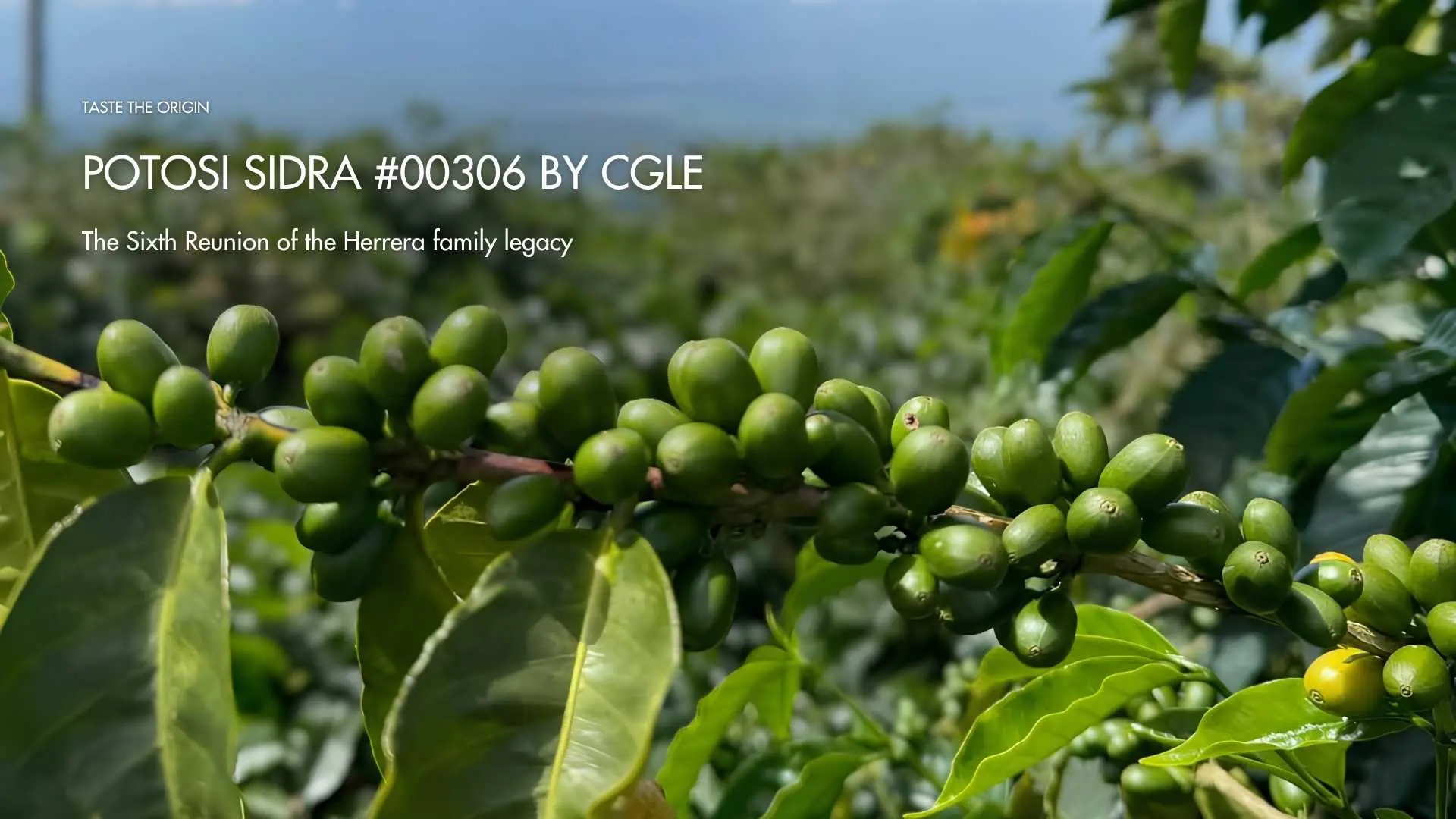
Potosi Sidra #00306 – The sixth reunion of the Herrera family legacy
The sixth harvest marks the return of Potosi Sidra #00306 by CGLE, carrying the presence of a family patriarch entrusted with more than eighty years of heritage from the Herrera family. Cultivated in the founding valley of Potosi since 1945 in Caicedonia, this genetic treasure born from the union of Bourbon and Typica presents a remarkably evolved sensory profile. Through its Extremely Light Roast philosophy and the financial transparency of the Paid for Producer model, XLIII Coffee chooses to preserve the authentic voice of terroir and the coffee’s original flavor structure.
- Taste the Origin
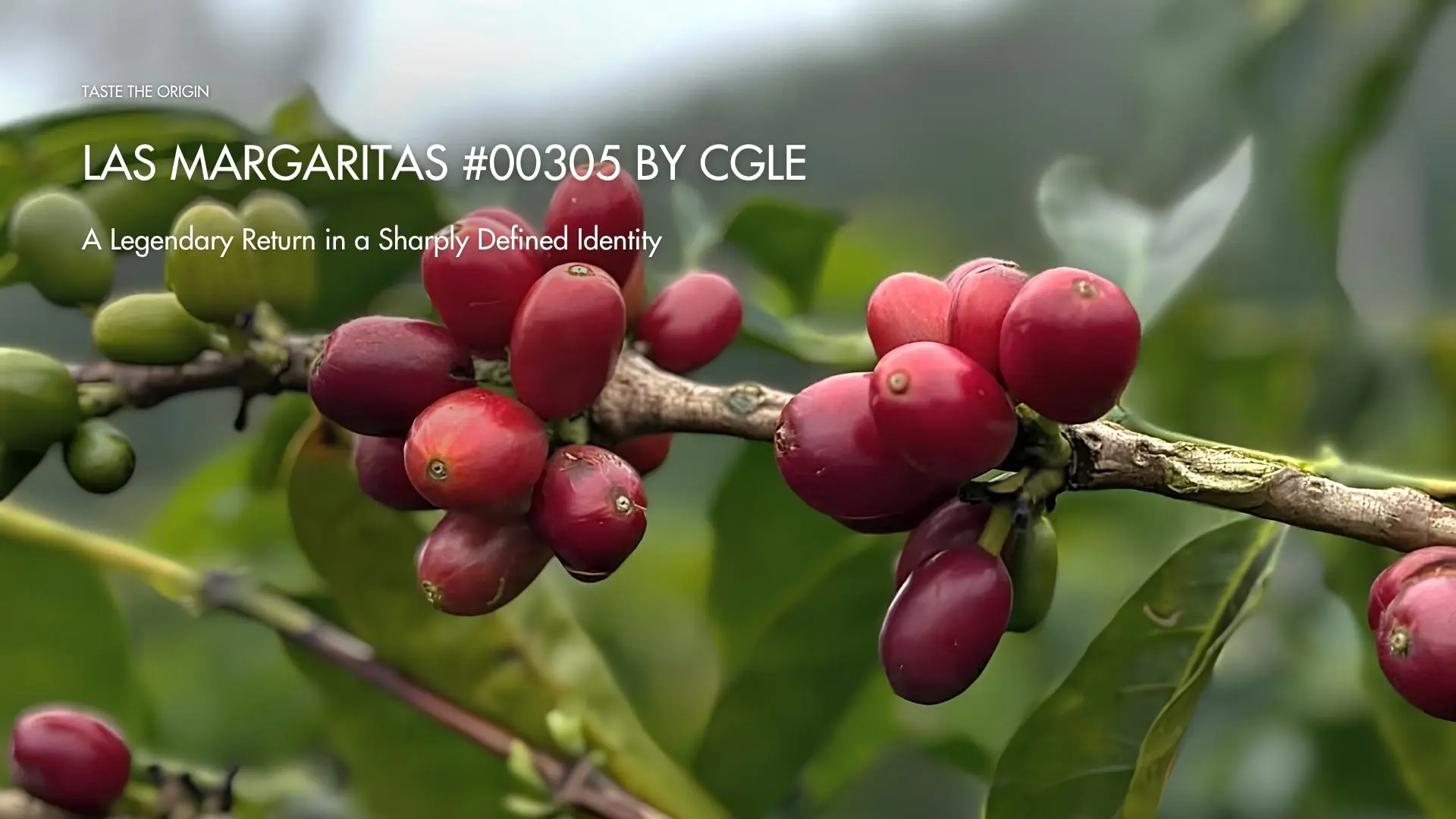
Las Margaritas #00305 by CGLE – A Legend Reunited in a Sharper Identity
Las Margaritas #00305 by CGLE returns to XLIII Coffee as a Gesha masterpiece reborn from the renowned Valle del Cauca region. Infused with the exquisite craftsmanship of Café Granja La Esperanza, this rare batch of coffee embarks on an enchanting flavor journey with vibrant citrus notes, delicate jasmine, and an elegant, lingering Earl Grey finish. Each drop is a crystallization of fertile volcanic soil and the sustainable farming philosophy that CGLE has persistently pursued for decades, creating a full-bodied, sharp flavor profile while retaining the pristine beauty characteristic of the royal Gesha variety.

- Find the Origin
Mandela coffee variety – A convergence of generations from a masterpiece breeding strategy
Amidst the constant fluctuations of the era, Mandela emerges as a gentle yet resilient response from the soil. Instead of attempting to alter or impose upon nature, this breeding strategy is, in essence, a profound act of listening. Each Mandela coffee bean carries the bloodline of multiple generations, possessing both the serene, steadfast nature of native trees and the sparkling elegance of premium varieties. It is a sacred continuation, where the flow of generations ultimate honors the original value of the species, imparting an intact and sustainable vitality into every cup.


- Taste the Origin
Nigussie Nare – Murago Outgrowers #03028: Cultivated from the Values of Sustainable Reciprocity
Nestled beneath the shade trees of Sidama, Bensa, the Nigussie Nare – Murago Outgrowers #03028 coffee lot serves as a living testament to the values of sustainable reciprocity. This symbiosis begins with the intimate bond between a rich indigenous ecosystem and the smallholder farmers of the Murago region. Each harvested bean is the culmination of a virtuous cycle: a stable environment produces exceptional bean quality, and sustainable economic growth, in turn, continues to protect the verdant canopy of the great forest.

Specialty Coffee in Vietnam
BRAND VALUE
YOU SHOULD HAVE KNOWN
XLIII Coffee has been aiming to become a big, impactful company with social responsibilities,
have access to high-quality raw materials and convey the complete original values of coffee to our customer
