
Responsible coffee transportation: Preserving value from farm to cup
Responsible coffee transportation is more than just moving products from farms to consumers – it’s a commitment to quality preservation and environmental stewardship throughout the journey. As the coffee industry increasingly embraces sustainability, responsible transportation becomes a crucial link in maintaining the values of specialty coffee, from its distinctive flavors to environmental and social commitments.
I. Responsible coffee transportation process
Responsible coffee shipping or any other industry will revolve around two standard elements: domestic and international. There will be different regulations and conventions between them.
Domestic transportation
The domestic transportation phase, beginning at the farm and ending at export ports, is critical for maintaining coffee quality. Environmental control during this stage is paramount. The coffee must be protected from moisture, high temperatures, and other environmental factors that could compromise quality.
Transport vehicles must be free from fuel odors or other contaminants that could affect the coffee beans. This is especially crucial for green coffee, which is highly susceptible to absorbing external odors. Vehicles must be equipped with protection against rain and moisture while maintaining proper ventilation to prevent humidity buildup.
International transportation
In international shipping, selecting the appropriate transportation method is crucial. 20-foot containers are the standard choice, typically accommodating about 320 bags of coffee, equivalent to 42,328 pounds (19,200 kg). For smaller shipments, Less Than Container Load (LCL) shipping provides a cost-effective solution by sharing container space with other cargo.
Incoterms play a vital role in defining responsibilities and risks between buyers and sellers. Common terms in coffee shipping include FOB (Free On Board), CIF (Cost, Insurance and Freight), and DDP (Delivered Duty Paid). Each term carries specific implications for responsibility allocation and costs, directly impacting shipping methods and coffee storage.

Get familiar with Incoterms to determine your responsibilities and risks during shipping. This is essential in planning your shipping and logistics budget.
II. Standard coffee shipping method
Air freight and sea freight are the two primary methods for coffee transportation, each with distinct advantages and disadvantages serving different shipping needs.
| Air Freight | Sea Freight | |
| Speed | Significantly faster, with deliveries typically completed within days. Ideal for urgent shipments and premium coffee requiring quick delivery to maintain freshness. | Can take several weeks or months, depending on routes and potential delays such as port congestion or customs clearance. Less suitable for time-sensitive shipments. |
| Cost | Higher costs, but justified for high-value or urgent shipments. The premium price is often offset by reduced inventory storage costs due to faster turnover. | More cost-effective for larger volumes, priced per container (FCL or LCL). Preferred choice for bulk coffee shipments and non-perishable cargo. |
| Capacity and Volume | Limited by aircraft capacity, best suited for smaller, high-value shipments. | Ideal for bulk shipments, allowing exporters to transport large quantities simultaneously. |
| Environmental Impact | Higher carbon emissions per unit transported. A significant consideration for companies with sustainability goals. | Generally more environmentally friendly per unit, making it the preferred choice for shippers focusing on reducing ecological impact. |
| Reliability and Delays | Less susceptible to weather delays or port congestion, offering more reliable delivery times. | More vulnerable to various delays including weather conditions and port logistics issues. |

An innovative development in coffee shipping is the emergence of sail freight – using wind-powered vessels for coffee transportation. This alternative is gaining attention as a response to growing environmental concerns, offering a low-carbon solution for environmentally conscious businesses.
For coffee businesses, selecting the appropriate transportation method requires careful evaluation of factors including urgency, budget, shipment size, and environmental considerations. The choice ultimately depends on specific operational requirements and sustainability goals.
III. Optimizing sustainable transportation
Modern technology plays a vital role in responsible coffee transportation. Advanced tracking and management systems enable strict monitoring of storage conditions, temperature, and humidity throughout the journey. This not only ensures coffee quality but also enables transparent product traceability.
The responsible coffee transportation optimization process includes:
- Preparation Phase begins with inspecting and selecting appropriate transport vehicles, followed by cleaning the cargo hold to ensure it’s free from any foreign odors. Next is the installation of temperature and humidity monitoring equipment, along with thorough inspection of packaging and container sealing.
- During Transportation continuous environmental monitoring is conducted through IoT systems, maintaining stable temperatures between 68-77°F (20-25°C) and controlling humidity levels below 60%. Any anomalies are documented and addressed promptly.
- Quality Control Process includes sample testing at transit points, conducting assessments of packaging and product condition, recording and storing transportation data, and updating traceability information at each checkpoint.
Route optimization is crucial in reducing carbon footprint. Businesses are implementing solutions such as cargo consolidation, route optimization, and appropriate vehicle selection to minimize environmental impact. LCL shipping for smaller loads not only reduces costs but significantly decreases transport-related emissions.

Close collaboration between all parties in the supply chain is key to optimizing sustainable shipping. From producers to transporters to roasters, each party has a responsibility to maintain product integrity and environmental commitment.
IV. Challenges and solutions in responsible coffee transportation
Balancing costs with environmental commitments presents a major challenge. Environmentally friendly transportation methods typically cost 15-30% more than conventional options. However, this investment is essential for sustainability and meeting the expectations of environmentally conscious consumers.
Specialty coffee requires strict storage conditions during transport. Sudden changes in temperature and humidity can directly affect bean quality. To address this, companies are investing in smart containers with automated environmental control systems and early warning capabilities.
Digital transformation in coffee shipping is opening new possibilities. Blockchain technology enables detailed tracking of each shipment from farm to consumer. This ensures transparency and facilitates rapid problem identification and resolution during transport.

When traded under “Free on Board” (FOB) terms, the producer or exporter’s legal responsibility for the quality of the coffee ends when “the goods have passed the ship’s rail at the port of shipment,” according to ITC’s The Coffee Exporter’s Guide. At this point, responsibility is transferred to the importer.
Conclusion
Responsible coffee transportation is key to preserving and enhancing specialty coffee value. It represents more than mere logistics – it’s a commitment to quality, sustainability, and environmental responsibility. As the coffee industry increasingly focuses on sustainable development, optimized transportation becomes essential in the value chain, ensuring each cup of coffee delivers both exceptional flavor and sustainable values.
Images used in this article were collected by XLIII Coffee
V. Frequently asked questions
1. Why is temperature and humidity control so critical in specialty coffee shipping?
Temperature and humidity control during shipping can make or break specialty coffee quality. Irregular environmental conditions can alter the molecular structure of coffee beans, directly impacting flavor profiles and overall quality. Strict monitoring ensures beans maintain their intended characteristics from farm to final cup.
2. What is LCL shipping and when should it be used?
LCL (Less Than Container Load) allows multiple shippers to share container space when they don’t have enough cargo for a full container. It’s ideal for smaller shipments and helps reduce both costs and environmental impact. However, careful selection of shipping partners is crucial to ensure coffee isn’t affected by other cargo in the shared space.
3. How does modern technology ensure transparency in responsible coffee shipping?
Through blockchain and IoT integration, every step of the coffee’s journey can be tracked in real-time. Stakeholders can access detailed information about shipping conditions, transit times, and routes taken. This level of transparency is crucial for specialty coffee businesses and increasingly important to quality-focused consumers.
4. Is the higher cost of responsible shipping worth the investment?
While responsible shipping may cost 15-30% more than conventional methods, the investment yields long-term benefits through quality preservation, risk reduction, and brand value enhancement. As consumers increasingly prioritize sustainability, these practices become essential for maintaining market competitiveness.
5. What should businesses look for in a responsible coffee shipping partner?
Look for partners with recognized quality management certifications, clear environmental commitments, and transparent tracking systems. They should maintain strict environmental controls, provide detailed shipping reports, and demonstrate a thorough understanding of specialty coffee handling requirements.

Bài viết mới

- Taste the Origin
Finca La Palestina Red Bourbon #5487 – A blossoming legacy in the highlands of Cajamarca
Amidst the ethereal clouds of Cajamarca, where the deep forest, Mother Earth, and time harmonize, Finca La Palestina Red Bourbon #5487 is born as a proud epic of heritage. It bears witness to the story of three generations of the Alarcón Coronel family, to their respect for nature, and to their Cup of Excellence achievements. Each layer of fragrance is a journey for all the senses, leading the connoisseur into subtle and captivating depths.

- Breaking News
Royal Botanic Gardens, Kew announces new hybrid coffee named Libex
As the global coffee industry faces unprecedented challenges from climate change, the Royal Botanic Gardens, Kew (UK) has brought a ray of hope by formally announcing a natural hybrid coffee named Libex. Identified after intensive genetic research across three continents, Libex represents a perfect intersection between the resilient heat tolerance of Liberica and the robust agronomic vigor of Excelsa.

- Find the Origin
Mejorado Coffee Variety – The Perfect Blend of Bourbon & SLN Hybrid Lineage
Originating from the windswept hillsides of the South American highlands, the Mejorado coffee variety tells the story of a genetic masterpiece that is redefining the boundaries of the contemporary Specialty Coffee world. Behind a easily misunderstood name lies a completely distinct alter ego, where the sweet heritage of the Bourbon variety intertwines with the resilient vitality of the SLN hybrid lineage. Thanks to a profound slow-ripening process in the chill of extreme altitudes, this seed nurtures a magnificent flavor profile with ethereal floral and fruit notes, stepping onto the altars of global competitions to assert its status as a future icon, ready to stir the most discerning senses.
- Taste the Origin
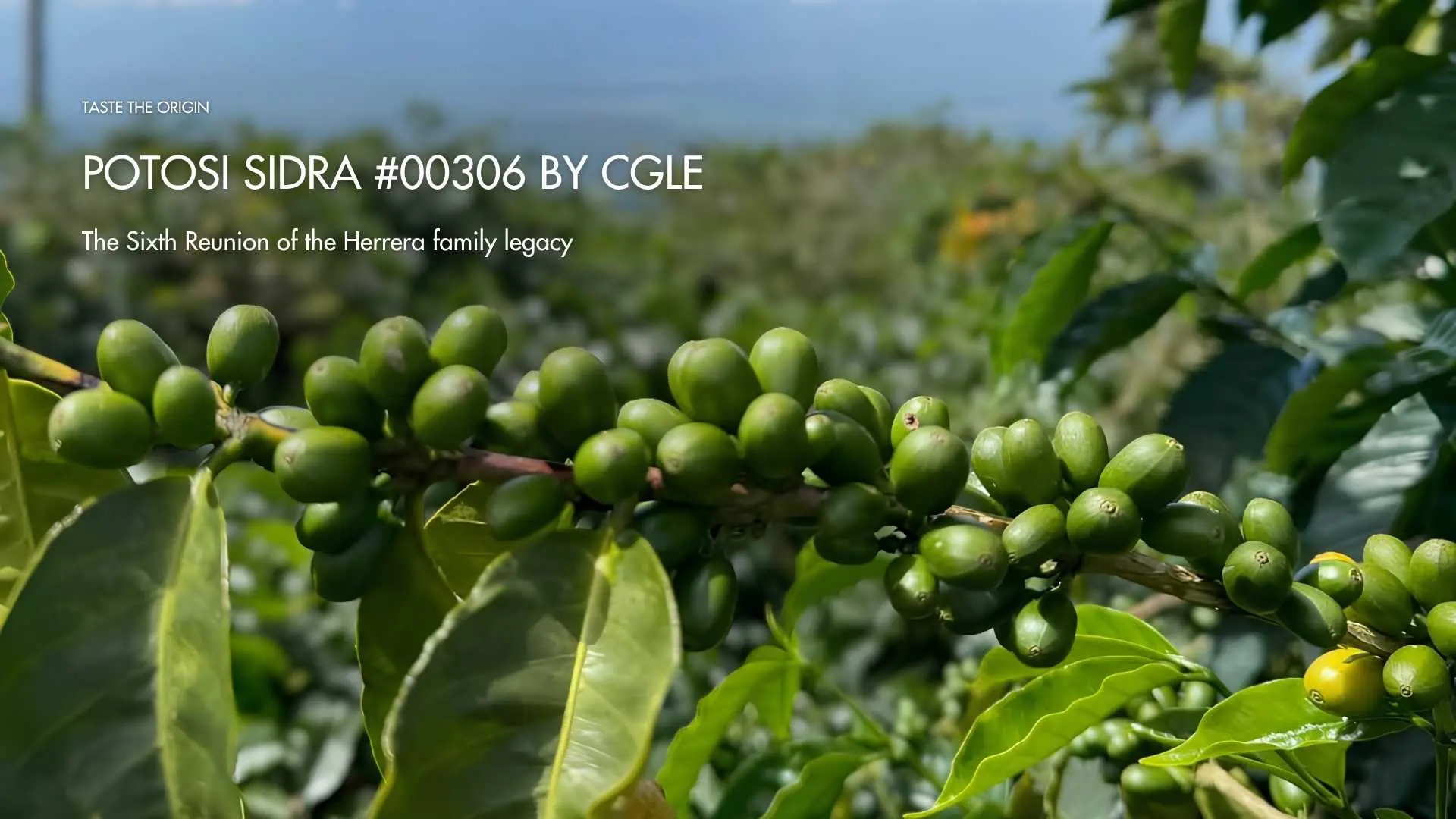
Potosi Sidra #00306 – The sixth reunion of the Herrera family legacy
The sixth harvest marks the return of Potosi Sidra #00306 by CGLE, carrying the presence of a family patriarch entrusted with more than eighty years of heritage from the Herrera family. Cultivated in the founding valley of Potosi since 1945 in Caicedonia, this genetic treasure born from the union of Bourbon and Typica presents a remarkably evolved sensory profile. Through its Extremely Light Roast philosophy and the financial transparency of the Paid for Producer model, XLIII Coffee chooses to preserve the authentic voice of terroir and the coffee’s original flavor structure.
- Taste the Origin
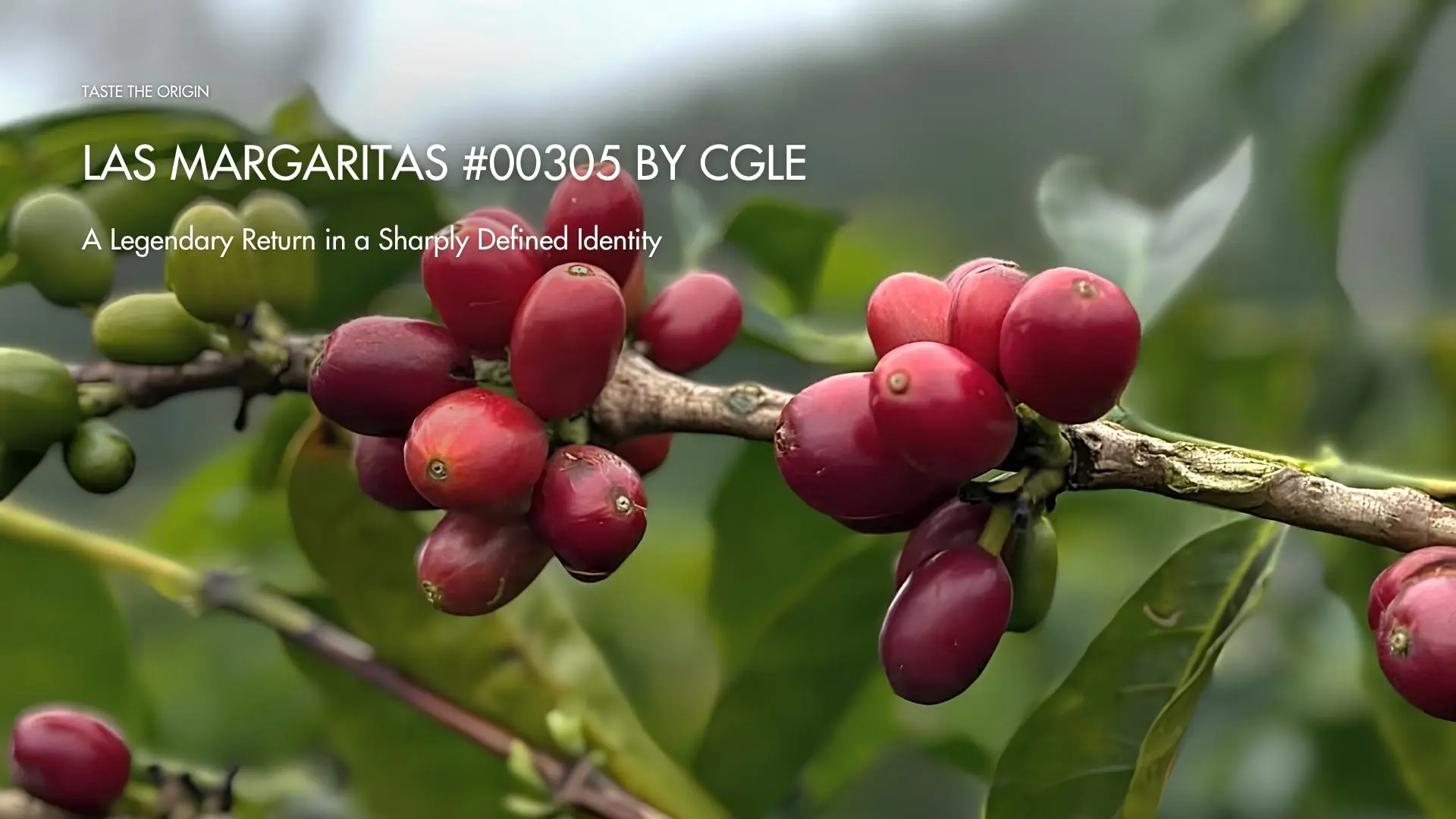
Las Margaritas #00305 by CGLE – A Legend Reunited in a Sharper Identity
Las Margaritas #00305 by CGLE returns to XLIII Coffee as a Gesha masterpiece reborn from the renowned Valle del Cauca region. Infused with the exquisite craftsmanship of Café Granja La Esperanza, this rare batch of coffee embarks on an enchanting flavor journey with vibrant citrus notes, delicate jasmine, and an elegant, lingering Earl Grey finish. Each drop is a crystallization of fertile volcanic soil and the sustainable farming philosophy that CGLE has persistently pursued for decades, creating a full-bodied, sharp flavor profile while retaining the pristine beauty characteristic of the royal Gesha variety.

- Taste the Origin
Finca Rosenheim Typica & Caturra – The Crossroads of Cultural Currents
Across the tides of world history, Finca Rosenheim Typica & Caturra emerges as a living testament hidden within the vast wilderness of Villa Rica. Here, the ancient lineage of the legendary Typica variety converges with the purity of the Washed process and the artistry of shade grown cultivation, weaving together delicate layers of Milk Chocolate, Nougat, and Purple Floral. Together, they create a profound resonance between resilient European heritage and the soul of the native Andes.

Specialty Coffee in Vietnam
BRAND VALUE
YOU SHOULD HAVE KNOWN
XLIII Coffee has been aiming to become a big, impactful company with social responsibilities,
have access to high-quality raw materials and convey the complete original values of coffee to our customer
