
Tanzania’s Specialty Coffee regions: Secrets of its exquisite beans
When discussing specialty coffee, Tanzania is often praised for its unexpectedly diverse flavors. Many attribute this to the unique specialty coffee-growing regions within the country. Let’s delve deeper into Tanzania’s Specialty Coffee regions to uncover the secrets behind Tanzania’s exceptional coffee!
I. Introduction to Tanzania's coffee industry
Tanzania, an East African nation, is home to some of the world’s most renowned specialty coffee. As one of the leading coffee producers globally, the country contributes about 1% to the global coffee supply. According to the International Coffee Organization (ICO), Tanzania produced approximately 900,000 bags (60 kg per bag) of coffee in 2020, primarily comprising Arabica and Robusta varieties.
Coffee is a major export commodity for Tanzania, accounting for about 20% of the country’s total agricultural export value. The World Bank reports that the coffee industry provides employment for over 400,000 households, significantly contributing to the rural economy and sustainable development.

Tanzania is an East African country that is home to many world-renowned specialty coffees, contributing about 1% to the global coffee production.
II. A brief history of coffee in Tanzania
The history of coffee in Tanzania is an inspiring tale of growth and adaptation, guided by the dedication of hardworking farmers.
The introduction of coffee to Tanzania
Coffee was first introduced to Tanzania in the 1890s by German missionaries. They brought Arabica coffee from Ethiopia and began experimenting with its cultivation in highland regions such as Arusha and Kilimanjaro. This marked the beginning of Tanzania’s coffee industry, paving the way for the development of a rich agricultural tradition.
Notable milestones in Tanzania’s coffee history
– Early development (1890 – 1930)
1890 – 1910: Following the introduction of coffee, large plantations were established, mainly managed by missionaries and German settlers. This period saw the initial expansion of coffee cultivation.
1920 – 1930: After Tanzania became part of the British East Africa Protectorate, British management took over coffee plantations. Infrastructure for the coffee industry, including processing facilities and distribution systems, was developed during this time. While coffee exports increased, most plantations remained foreign-owned.
– Transition and independence (1961 – 1994)
1961: With Tanzania’s independence from Britain, coffee ownership began shifting from large plantations to local farmers. The new government encouraged small-scale coffee farming, involving many households in coffee cultivation and processing. This led to increased local coffee production and the development of farmer cooperatives.
1970s – 1980s: Tanzania’s government implemented socialization and nationalization policies for large coffee plantations. Although aimed at equitable distribution, these policies presented challenges in managing and maintaining coffee quality.
– Reform and global integration (1994 – Present)
1994: Tanzania’s government enacted significant economic reforms, opening the coffee market to private and foreign investors. These reforms, including the removal of price controls, spurred investment in coffee processing and export businesses.
2000s – 2010s: The growth of farmer cooperatives and NGOs supported farmers in improving coffee quality and building the specialty coffee brand. Sustainable projects and Fairtrade certification began, enhancing Tanzania’s coffee value and quality in international markets.
Present: Tanzania now focuses on producing specialty coffee, with regions like Arusha, Kilimanjaro, and Mbeya becoming centers for high-quality coffee production. The government and NGOs continue to support farmers with training programs and production process improvements to elevate Tanzania’s coffee quality and value globally.

Coffee was first introduced to Tanzania in the 1890s by German missionaries.
III. Specialty Coffee regions in Tanzania
Tanzania’s standout specialty coffee regions include Arusha, Kilimanjaro, and Mbeya. These areas, with their diverse landscapes ranging from high mountains to fertile valleys, consistently produce remarkable specialty coffee lots known for their quality and flavor.
Arusha Region
– Geography and Terrain: Located in northern Tanzania near Mount Meru, Arusha’s elevation ranges from 1,400 to 1,800 meters above sea level. Its mountainous terrain and deep valleys provide an ideal environment for coffee cultivation.
– Climate: Arusha has a cool climate year-round, with consistent rainfall. Average temperatures range from 15 to 25 degrees Celsius, perfect for growing high-quality coffee.
– Flavor Profile: Coffee from Arusha is famous for its complex flavors, often featuring tropical fruit and floral notes such as orange, tangerine, and jasmine. The combination of fertile soil and ideal climate creates smooth and lingering coffee experiences.
Kilimanjaro Region
– Geography and Terrain: The Kilimanjaro region, near Africa’s highest mountain, has elevations from 1,400 to 2,100 meters above sea level. Its volcanic terrain offers mineral-rich soil for coffee plants.
– Climate: The climate in Kilimanjaro is cool and humid, with suitable rainfall throughout the year. Average temperatures between 14 and 20 degrees Celsius create ideal conditions for specialty coffee cultivation.
– Flavor Profile: Kilimanjaro coffee is known for citrus, honey, and chocolate notes. Its rich and full-bodied flavors satisfy even the most discerning coffee aficionados, providing a delightful tasting experience.
Mbeya Region
– Geography and Terrain: Situated in southern Tanzania, Mbeya’s elevation ranges from 1,200 to 1,800 meters above sea level. The hilly and plateau-like terrain offers ideal coffee-growing conditions.
– Climate: Mbeya has a temperate climate, with abundant and consistent rainfall. Average temperatures between 16 and 23 degrees Celsius ensure sustainable coffee plant growth.
– Flavor Profile: Mbeya coffee features distinctive red fruit flavors like strawberry and raspberry, with a mild acidity. The harmonious blend of fruity flavors and light acidity makes Mbeya coffee unique and appealing.

The most notable specialty coffee-growing regions in Tanzania include areas in Arusha, Kilimanjaro, and Mbeya.
IV. Main coffee varieties in Tanzania
Tanzania boasts a diversity of specialty coffee varieties, including Bourbon, Kent, SL28, SL34, N39, and Blue Mountain.
Bourbon
– Biological Characteristics: Originating from Bourbon Island (now Réunion), the Bourbon variety is known for its high yield and excellent bean quality. Bourbon plants have wide foliage, and although the coffee cherries are smaller than other varieties, they offer high-quality beans.
– Flavor Profile: Tanzanian Bourbon coffee is often sweet and rich, with notes of caramel, chocolate, and occasionally tropical fruit. The complexity and balance of flavors make Bourbon a popular choice among coffee lovers.
Kent
– Biological Characteristics: Developed from the Typica variety in India and named after a coffee-growing area in Kenya, the Kent variety is disease-resistant and adaptable to various environmental conditions.
– Flavor Profile: Tanzanian Kent coffee features complex flavors with fruity notes, jasmine, and hints of honey. Its fresh and elegant taste, with a lingering aftertaste, makes Kent a favorite among coffee enthusiasts.
SL28 and SL34
– Biological Characteristics: Developed in Kenya by Scott Agricultural Laboratories, SL28 and SL34 are drought and disease-resistant varieties with high yields.
– Flavor Profile: Tanzanian SL28 and SL34 coffees have standout flavors with ripe fruit, berry, and citrus notes. SL28 often has bright acidity, while SL34 provides a rich and complex taste.
N39
– Biological Characteristics: N39 is a coffee variety developed in Tanzania, known for its disease resistance and adaptability to the country’s diverse climate and terrain.
– Flavor Profile: N39 coffee has tropical fruit and floral notes. Its balanced and pleasant taste, with mild acidity, makes N39 a popular choice among specialty coffee varieties.
Blue Mountain
– Biological Characteristics: Originating from Jamaica, Blue Mountain is widely grown in Tanzania’s highland regions. This variety is resilient to harsh climates and diseases.
– Flavor Profile: Tanzanian Blue Mountain coffee is smooth and refined, with notes of hazelnut, chocolate, and subtle fruit. The balance and lingering aftertaste of Blue Mountain make it one of the most premium coffee varieties.

Tanzania boasts a diversity of specialty coffee varieties such as Bourbon, Kent, SL28, SL34, N39, and Blue Mountain.
V. Coffee production and orocessing in Tanzania
Tanzania is renowned for its meticulous hand-crafted coffee production and processing, from cultivation and harvest to processing.
Traditional coffee cultivation
Tanzanian farmers often practice intercropping with other crops like bananas and maize to provide shade and maintain soil moisture. Coffee farms in Tanzania are typically located at elevations from 1,200 to 2,100 meters above sea level. The hilly terrain and cool climate of these regions create ideal conditions for coffee cultivation.
Farmers employ organic and sustainable farming methods to care for specialty coffee plants. They use organic fertilizers from animal and plant matter and limit the use of pesticides and herbicides. Additionally, coffee plants are regularly pruned to remove dry and weak branches, promoting vigorous growth.
Manual harvesting
The coffee harvest season in Tanzania usually takes place from June to October, depending on weather conditions and specific regions. Coffee in Tanzania is predominantly handpicked, with farmers selecting only ripe, red cherries from the trees, leaving behind unripe or overripe ones. This ensures that only the best coffee beans are harvested.
Coffee processing
After harvesting, coffee cherries are transported to processing facilities, where most undergo washed processing. First, the cherries are cleaned and depulped to extract the coffee beans. The beans are then washed and sun-dried. The drying process typically lasts 7 to 14 days, depending on weather conditions. Beans are turned regularly to ensure even drying and prevent mold.
Once dried, the coffee beans are sorted by size and quality. Beans meeting the standards are carefully packaged in protective bags, ready for export.

Coffee in Tanzania is typically hand-harvested and processed using the washed method.
Conclusion
Tanzania is not only a country of scenic beauty but also a gem in the world of specialty coffee. With unique geographical, climatic, and historical characteristics, Tanzanian coffee offers a rich and alluring flavor profile. Exploring coffee is a journey of tasting not just the flavors but also the culture, tradition, and hard work of the farmers. Immerse yourself in the rich brews to experience and share the story of these remarkable beans from this special land. The richness and uniqueness of Tanzanian coffee will surely leave a lasting impression and inspire further exploration.
VI. Related questions
1. Why is Tanzanian coffee special?
Tanzanian coffee is special due to its unique combination of geography, climate, and meticulous production processes, resulting in complex and distinctive flavors.
2. Which regions in Tanzania produce specialty coffee?
Regions like Arusha, Kilimanjaro, and Mbeya are known for their outstanding specialty coffee quality in Tanzania.
3. What are the most popular coffee varieties in Tanzania?
The most popular varieties are Bourbon and Kent, both known for their distinctive flavors and high quality.
4. How is coffee processed in Tanzania?
Tanzanian coffee is often processed through wet methods, sun-dried, and thoroughly sorted before export.
5. What are the distinctive flavors of Tanzanian coffee?
Tanzanian coffee typically has complex flavors with notes of fruit, floral, caramel, chocolate, and honey. However, the flavors can vary between regions and varieties, offering a diverse experience for coffee enthusiasts.

Bài viết mới

- Taste the Origin
Finca La Palestina Red Bourbon #5487 – A blossoming legacy in the highlands of Cajamarca
Amidst the ethereal clouds of Cajamarca, where the deep forest, Mother Earth, and time harmonize, Finca La Palestina Red Bourbon #5487 is born as a proud epic of heritage. It bears witness to the story of three generations of the Alarcón Coronel family, to their respect for nature, and to their Cup of Excellence achievements. Each layer of fragrance is a journey for all the senses, leading the connoisseur into subtle and captivating depths.

- Breaking News
Royal Botanic Gardens, Kew announces new hybrid coffee named Libex
As the global coffee industry faces unprecedented challenges from climate change, the Royal Botanic Gardens, Kew (UK) has brought a ray of hope by formally announcing a natural hybrid coffee named Libex. Identified after intensive genetic research across three continents, Libex represents a perfect intersection between the resilient heat tolerance of Liberica and the robust agronomic vigor of Excelsa.

- Find the Origin
Mejorado Coffee Variety – The Perfect Blend of Bourbon & SLN Hybrid Lineage
Originating from the windswept hillsides of the South American highlands, the Mejorado coffee variety tells the story of a genetic masterpiece that is redefining the boundaries of the contemporary Specialty Coffee world. Behind a easily misunderstood name lies a completely distinct alter ego, where the sweet heritage of the Bourbon variety intertwines with the resilient vitality of the SLN hybrid lineage. Thanks to a profound slow-ripening process in the chill of extreme altitudes, this seed nurtures a magnificent flavor profile with ethereal floral and fruit notes, stepping onto the altars of global competitions to assert its status as a future icon, ready to stir the most discerning senses.
- Taste the Origin
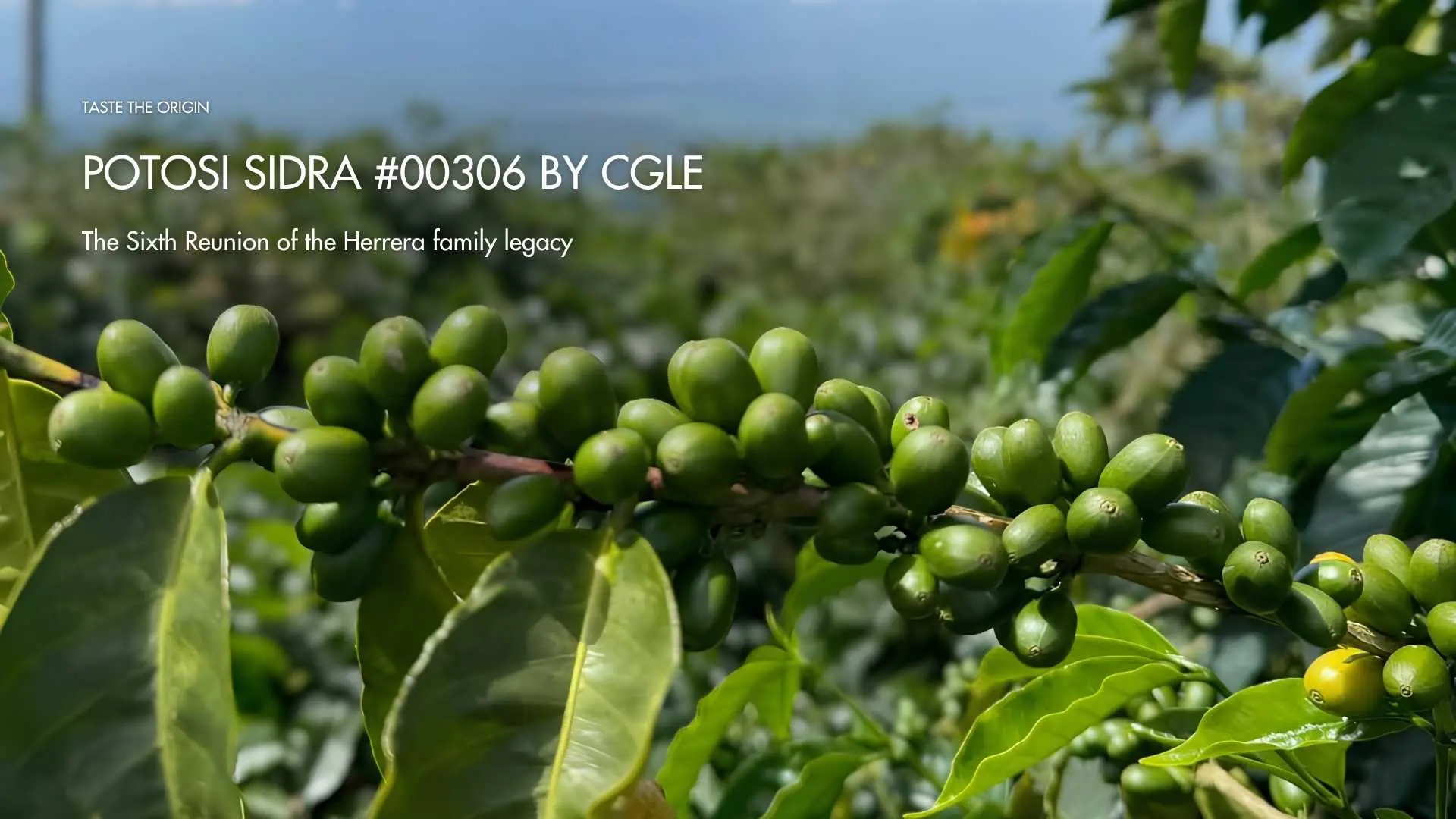
Potosi Sidra #00306 – The sixth reunion of the Herrera family legacy
The sixth harvest marks the return of Potosi Sidra #00306 by CGLE, carrying the presence of a family patriarch entrusted with more than eighty years of heritage from the Herrera family. Cultivated in the founding valley of Potosi since 1945 in Caicedonia, this genetic treasure born from the union of Bourbon and Typica presents a remarkably evolved sensory profile. Through its Extremely Light Roast philosophy and the financial transparency of the Paid for Producer model, XLIII Coffee chooses to preserve the authentic voice of terroir and the coffee’s original flavor structure.
- Taste the Origin
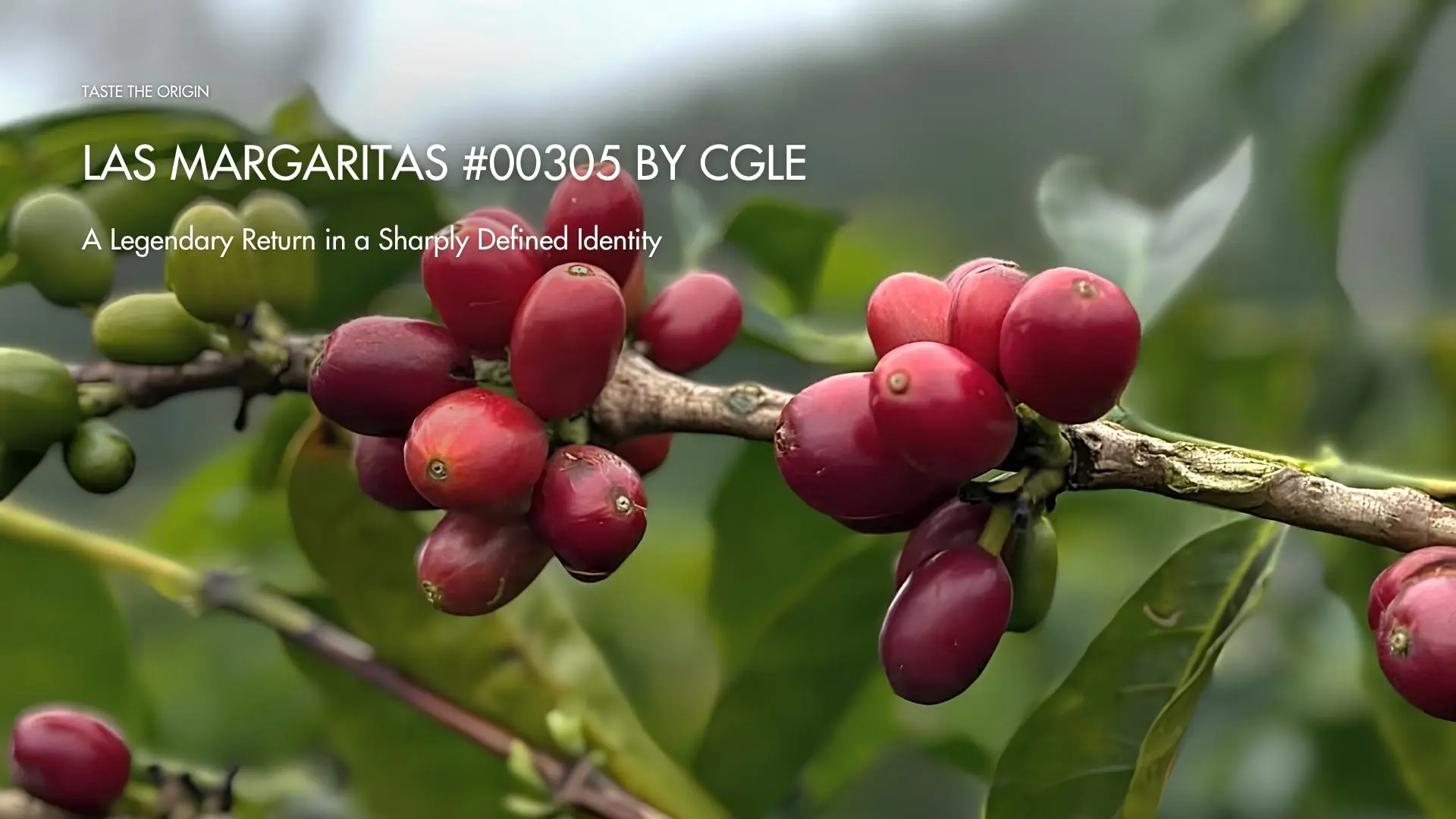
Las Margaritas #00305 by CGLE – A Legend Reunited in a Sharper Identity
Las Margaritas #00305 by CGLE returns to XLIII Coffee as a Gesha masterpiece reborn from the renowned Valle del Cauca region. Infused with the exquisite craftsmanship of Café Granja La Esperanza, this rare batch of coffee embarks on an enchanting flavor journey with vibrant citrus notes, delicate jasmine, and an elegant, lingering Earl Grey finish. Each drop is a crystallization of fertile volcanic soil and the sustainable farming philosophy that CGLE has persistently pursued for decades, creating a full-bodied, sharp flavor profile while retaining the pristine beauty characteristic of the royal Gesha variety.

- Taste the Origin
Finca Rosenheim Typica & Caturra – The Crossroads of Cultural Currents
Across the tides of world history, Finca Rosenheim Typica & Caturra emerges as a living testament hidden within the vast wilderness of Villa Rica. Here, the ancient lineage of the legendary Typica variety converges with the purity of the Washed process and the artistry of shade grown cultivation, weaving together delicate layers of Milk Chocolate, Nougat, and Purple Floral. Together, they create a profound resonance between resilient European heritage and the soul of the native Andes.

Specialty Coffee in Vietnam
BRAND VALUE
YOU SHOULD HAVE KNOWN
XLIII Coffee has been aiming to become a big, impactful company with social responsibilities,
have access to high-quality raw materials and convey the complete original values of coffee to our customer
