
What Is Wild Yeast Fermentation in Coffee? A Complete Guide
Have you ever heard of Wild Yeast Fermentation or tasted coffee fermented using wild yeast? Originally a common fermentation technique in winemaking and brewing, this method is now being explored by some Specialty Coffee producers to unlock new layers of flavor. So, what makes this method so fascinating? Let’s dive in.
I. What Is Wild Yeast Fermentation in Coffee?
First, Understand What Wild Yeast Is
Wild yeast refers to naturally occurring yeast strains present in the environment. They can be found everywhere—floating in the air, on fruit skins, leaves, tree bark, and more. Unlike commercial yeast, which is lab-cultivated and uniform, wild yeast represents a diverse and complex microbial ecosystem shaped by nature.
This microbial diversity has the potential to generate a broader and more intricate range of aromatic and flavor compounds. The complex interactions between wild yeast and other microbes during fermentation can lead to flavor profiles that are nearly impossible to replicate artificially.

Think about what happens when you leave a ripe grape out in the open. After a few days, it starts to bubble and ferment—this is spontaneous fermentation triggered by wild yeast naturally present on the grape skin. These microbes consume sugars and produce CO₂, alcohol, and aromatic compounds.
Wild Yeast Fermentation in Coffee
In the context of coffee, Wild Yeast Fermentation refers to a process driven entirely by naturally occurring yeast from the environment—no commercial yeast is added. When the conditions are just right (sufficient moisture, temperature, and nutrients), these wild yeasts metabolize the sugars in the coffee mucilage and produce byproducts such as alcohol, organic acids, esters, and aromatic molecules.
For the coffee industry, this method is a way of harnessing native microbiota to craft unique flavor profiles that reflect the natural environment—enhancing the sense of terroir and natural expression in the cup.

In simple terms, instead of using controlled, lab-grown yeast strains, producers allow the coffee cherries to ferment naturally, influenced by local wild yeast from the surrounding environment. As the yeast interacts with the compounds in the cherries, it releases aromatic substances that give the coffee a distinctive, untamed character—highlighting the beauty of its origin.
Wild Yeast Fermentation is also referred to as natural fermentation or spontaneous fermentation. In this process, fermentation happens through the activity of native yeast, with minimal intervention from the producer. The yeast is allowed to “do its job” on its own terms.
II. How Does Wild Yeast Fermentation Impact Coffee?
Fermentation is a microbial process that transforms sugars into alcohol, CO₂, or organic acids. In coffee, wild yeast consumes the sugars in the mucilage layer of the coffee cherry and produces compounds that directly influence the final flavor of the bean. There are three key impacts of Wild Yeast Fermentation:
– Creation of Flavor Compounds: Wild yeast breaks down sugars and produces esters, higher alcohols, and organic acids—compounds that can develop into fruity, floral, honey-like, or winey aromas. These contribute to a more complex and layered sensory experience, especially in specialty coffee.
– Expression of Local Identity: Each growing region has its own microbial ecosystem. Natural fermentation helps preserve this microbial terroir, allowing the coffee’s origin to shine through in the cup—much like how terroir shapes wine.
– Unlocking Bean Potential: Wild Yeast Fermentation opens doors for experimentation—with fermentation duration, oxygen exposure, and temperature control. When executed well, it can lead to rare and distinctive flavor expressions, enhancing the coffee’s cupping score and making it suitable for high-end markets.

A clear example of this is found at Ratnagiri Estate in India, where Wild Yeast Fermentation has been adopted to great effect.
After harvesting and floating, the coffee cherries are placed in stainless steel fermentation tanks. A specific strain of wild yeast is introduced, and the coffee is left to ferment in a CO₂-rich environment for 72–98 hours. After fermentation, the cherries are laid on raised beds for slow drying, a process that continues for 26 days with regular turning. The result? A stunningly unique flavor profile that stands out—you can find and try these coffees from Ratnagiri to experience the impact for yourself.
III. Pros and Cons of Wild Yeast Fermentation in Coffee
Wild Yeast Fermentation offers intriguing and seductive flavor potentials, but it also brings along various technical challenges and production risks. To better understand, let’s explore the following table that summarizes the key advantages and disadvantages of this method.
Advantages of Wild Yeast Fermentation in Coffee Processing
|
Advantage |
Description |
|
Complex flavor profile |
Produces a wide range of aromatic compounds (esters, alcohols, acids), resulting in diverse flavors—fruity, floral, even light alcoholic notes—that create a deeper, more layered cup. |
|
Terroir expression |
Native microorganisms involved in fermentation help reflect the unique characteristics of the origin where the coffee is grown. |
|
Digestive health support |
While research on roasted coffee is limited, natural fermentation processes in general can enhance nutrient bioavailability and promote the production of enzymes and beneficial bacteria (probiotics), potentially aiding digestion. |
Disadvantages of Wild Yeast Fermentation in Coffee Processing
|
Disadvantage |
Description |
|
Risk of contamination |
Harmful bacteria or mold can thrive if environmental conditions are not properly controlled, leading to off-flavors or spoiled batches. |
|
Inconsistent quality |
Wild yeast populations vary by environment, season, and equipment, making batch-to-batch consistency difficult. |
|
Time-consuming and high-maintenance |
Fermentation takes longer and is harder to predict, requiring careful monitoring to avoid oxidation, cross-contamination, or technical faults. |
IV. How to Harness Wild Yeast and Minimize Risks
Now that we’ve covered the fundamentals of Wild Yeast Fermentation, let’s dive into how to work with wild yeast effectively while managing potential risks.
How to Cultivate Wild Yeast
To apply Wild Yeast Fermentation in coffee or food processing, it’s essential to understand how to capture, culture, and manage microorganisms. This allows you to maximize flavor potential while reducing the chance of failure. Here are the three key steps to working with wild yeast:
Step 1: Identify and Collect Wild Yeast
Wild yeast naturally exists in the environment—on fruit skins, in the air, on plant surfaces, and even on production tools. You can collect wild yeast by:
Exposing ingredients to the environment: For example, leaving fresh fruit (grapes, apples, coffee cherries) exposed to clean air to “catch” ambient yeast.
Using fruit skins: Some fruits have a natural dusty layer that contains yeast. These can be used to kickstart the fermentation process.
Step 2: Culture and Maintain the Yeast
Once you’ve captured a yeast strain, the next step is to create conditions that allow it to thrive and drive fermentation:
Create a simple living environment: Feed it with a mixture like flour and water or fruit juice to encourage yeast growth.
Daily care: Provide fresh nutrients, stir regularly, monitor aroma, and observe for signs of activity (such as CO₂ release). Off smells—like sharp acidity, mold, or rotten notes—can indicate contamination or spoilage.
As the yeast population increases, so does the potential for more dynamic and expressive fermentation. This technique is similar to cultivating starters for sourdough bread, kombucha, or kefir—only with different ingredients and end goals.
Risk Prevention and Safety Control When Cultivating Wild Yeast
Natural fermentation always carries inherent risks, including contamination, unwanted mold growth, or the development of off-flavors and spoilage.
To minimize these risks, ensure all equipment and raw materials are clean and properly sanitized. Maintain appropriate temperature control and monitor the fermentation process closely to detect any signs of off-odors or undesired mold development.

Common Risks and How to Prevent Them
|
Risk |
Preventive Measures |
|
Contamination by bacteria or mold |
Thoroughly clean raw materials and equipment, use clean water, and avoid exposing ingredients to open air for extended periods. |
|
Off-flavors or failed fermentation |
Check the aroma daily. Stop fermentation if sharp, pungent, or acidic smells appear, or if colored mold (green, white, gray) forms. |
|
Unstable or non-repeatable results |
Keep detailed records of environmental conditions (temperature, humidity, duration), yeast source, and handling methods to guide future improvements. |
Conclusion
Wild Yeast Fermentation is a way to harness the microbial identity of a specific origin—the terroir—to create distinctive flavors in coffee. By allowing wild yeast to naturally convert sugars in the coffee cherry into aromatic compounds and organic acids, this method can produce flavor profiles that are complex, bold, and full of character.
This approach is a promising path for those pursuing high-quality, unique expressions in Specialty Coffee.
Have you ever tried coffee fermented with wild yeast?
V. FAQs
1. How is Wild Yeast Fermentation different from conventional fermentation?
Unlike controlled fermentation using commercial yeast strains, Wild Yeast Fermentation relies on naturally occurring yeasts—found on coffee cherry skins, in the air, on equipment, or in water. This approach allows for unique, terroir-reflective flavors but comes with less predictability and higher risks.
2. What does Wild Yeast Fermented coffee taste like?
It often exhibits layered complexity with notes of ripe fruit, mild fermentation, wine-like qualities, or deep floral tones. The aftertaste may be longer-lasting, and the mouthfeel more textured and refined.
3. Is Wild Yeast Fermentation just faulty fermentation?
No. Wild Yeast Fermentation is an intentional, studied method designed to bring out unique flavors. Faulty fermentation occurs when harmful microbes grow uncontrollably. In contrast, Wild Yeast Fermentation is carefully monitored and adjusted to achieve a desirable outcome.
4. Is Wild Yeast Fermented coffee expensive?
Yes, typically more expensive than standard coffees. The fermentation process is time-consuming, technically demanding, and carries higher risks. However, for those seeking rare and exceptional flavor experiences, it’s well worth the investment.
5. How should I taste Wild Yeast Fermented coffee for the best experience?
Brew it as a pour-over (V60, Kalita, Origami, etc.) using high-quality filtered water, without adding milk or sugar. Let the coffee cool slightly to around 50–60°C—this helps reveal its evolving aroma layers, especially the fermented fruit and floral notes.

Bài viết mới


- Taste the Origin
Nigussie Nare – Murago Outgrowers #03028: Cultivated from the Values of Sustainable Reciprocity
Nestled beneath the shade trees of Sidama, Bensa, the Nigussie Nare – Murago Outgrowers #03028 coffee lot serves as a living testament to the values of sustainable reciprocity. This symbiosis begins with the intimate bond between a rich indigenous ecosystem and the smallholder farmers of the Murago region. Each harvested bean is the culmination of a virtuous cycle: a stable environment produces exceptional bean quality, and sustainable economic growth, in turn, continues to protect the verdant canopy of the great forest.

- Taste the Origin
Rift Valley Coffee Caucus #03757 – A Testament to Western Kenya’s Collective Spirit
Turning our gaze to the Great Rift Valley of East Africa, the fertile volcanic landscapes are witnessing an inspiring transformation. Moving away from fierce, survival-driven competition, smallholder farmers in Western Kenya have chosen to join forces, forging a resilient and unified network. The Rift Valley Coffee Caucus #03757 lot stands as the ultimate testament to this remarkable collective synergy.

- Breaking News
Airworks Coffee & XLIII Coffee – A “handshake” that brings original flavors across borders
XLIII Coffee, alongside our key wholesale partner Airworks Coffee, officially announces the latest release of specialty coffee lots for the North American market. This event reaffirms our commitment to bringing original flavors across all geographical barriers to coffee enthusiasts.
Early access (for Subscribers of Airworks): 10:00 AM (PST) | Wednesday, April 29, 2026
General access: 10:00 AM (PST) | Friday, May 1, 2026
We invite our Customers and Partners to visit (airworkscoffee.com) for detailed information and to prepare for this special release!
- Taste the Origin
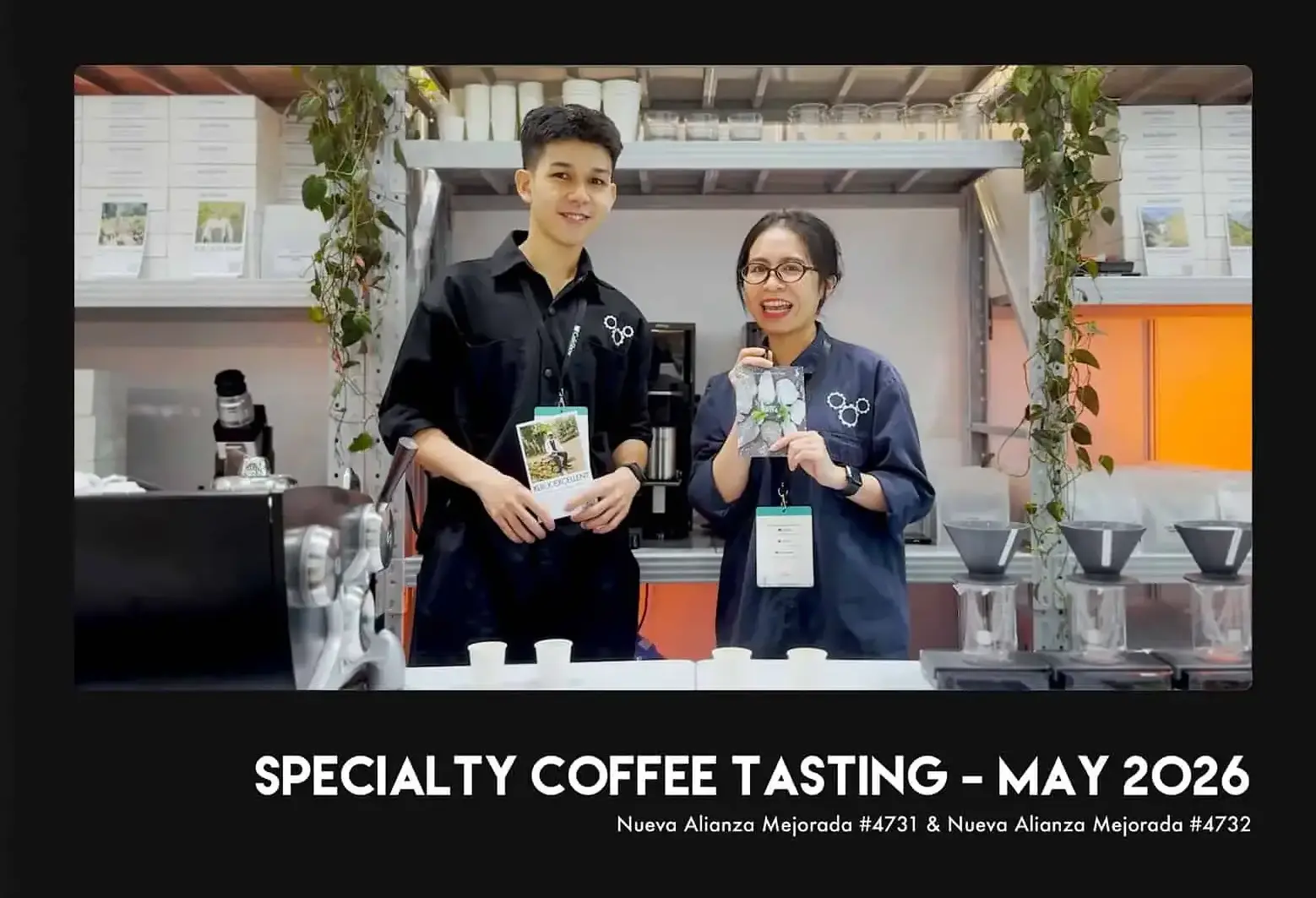
Unveiling May Discovery Subscription: Nueva Alianza Mejorada #4731 & Nueva Alianza Mejorada #4732
The Discovery Subscription is a silent dialogue, a place where the soul of the connoisseur finds a harmonious beat with distant lands. Like a transparent lens, we become storytellers, meticulously peeling back layers of cultural sediment, the breath of the soil, and the human philosophies hidden within every coffee bean.
May arrives with brilliant streaks of golden sunlight, a time when we long to hide beneath the lush, dew-drenched canopies of Santa Teresa. Amidst the silence of the Andes, when compassion touches Mother Earth, what will we hear? Perhaps it is a sweet response that nature reserves solely for souls who know how to wait patiently.

- Taste the Origin
Nueva Alianza Pacamara #4733 – The essence of Cusco with elegant jasmine notes
Nueva Alianza Pacamara #4733 is a testament to the miraculous terroir and dedicated cultivation of the renowned Cusco region. The combination of the characteristic Pacamara bean size and ideal altitude has forged a flavor profile of immense sophistication and depth. From the very first moment, this lot captivates with its elegant jasmine notes, radiating a gentle, pure fragrance akin to a flower blooming in the morning dew.

Specialty Coffee in Vietnam
BRAND VALUE
YOU SHOULD HAVE KNOWN
XLIII Coffee has been aiming to become a big, impactful company with social responsibilities,
have access to high-quality raw materials and convey the complete original values of coffee to our customer
