
Enhancing climate resilience: Can new WCR-introduced varieties aid Indonesian coffee farmers?
Researchers have warned that coffee is seriously threatened by climate change. It is possible that by 2050, coffee production will decrease by up to 50% due to factors such as diseases, pests, drought, and rising temperatures. To face these challenges, organizations such as World Coffee Research (WCR) have conducted research and developed innovative new development strategies in the coffee agriculture sector. In particular, in 2022, WCR introduced new varieties to farmers in Indonesia. Will Indonesian coffee farmers adapt better to climate change with this support? Explore with XLIII Coffee!
Climate Challenges for Indonesian Coffee Farmers
Climate change is putting heavy pressure on the development of the global coffee industry. Indonesia, like many others, faces challenges in coffee production such as an increase in pests and a serious decline in productivity and quality. In 2023/24, the United States Department of Agriculture (USDA) Foreign Agricultural Service (FAS) predicts that the country’s coffee production will fall into a serious recession. Indonesia’s coffee exports will likely fall 32% year-on-year due to heavy rains causing supply shortages that have disrupted production processes and reduced output significantly.

Indonesia is facing challenges in coffee production
WCR's Initiative: New Varieties for Climate Resilience
The weather is gradually becoming more severe. Old varieties can be significantly affected, rendering the trees susceptible to pests and diseases, resulting in low productivity and causing losses to farmers and the coffee industry. As a result, WCR researchers have worked to provide better and more accessible coffee varieties to farmers to improve coffee productivity, profitability, quality, and climate resilience. In particular, the organization has developed and distributed Komasti coffee varieties in Indonesia. This variety is a hybrid Arabica coffee variety recognized for its strong disease resistance, high yield, and high-quality potential. It was officially introduced to the market in 2013. However, until now, Komasti coffee has struggled to gain awareness and acceptance among farmers due to limited promotion, testing, and accessibility.

WCR has introduced better and more accessible crop varieties to farmers
New Varieties and Adaptation to Climate Change
The Komasti coffee variety will be distributed by WCR in conjunction with the Indonesian Coffee and Cocoa Research Institute (ICCRI) to Indonesian farmers in 2023. They have jointly established a pilot plot program in West Java to demonstrate and showcase the high performance of Komasti to local farmers. In parallel, WCR also supported the establishment and implementation of the demonstration model in the first year with the support of two industry partners, Frinsa Agrolestari and PT Sucafina Indonesia. In 2023, these partners will take over the management of the local sample plot and continue to monitor its actual progress. The first harvest on the plots is anticipated to occur from May to July 2025. Based on information collected from farmers, the condition of Komasti coffee plots appears promising… The sprouts have strong vitality and grow healthier than existing varieties.
According to ICCRI’s assessment, the experimental cups of Komasti coffee could be successful beyond expectations. It could produce higher yields than currently dominant varieties in Indonesia while also helping farmers adapt to the ongoing impacts of climate change. Furthermore, with promising prospects in the initial stages, ICCRI plans to extend the pilot program to other Arabica and Robusta coffee-growing regions to facilitate a more effective distribution of new varieties.

The distribution of new varieties in Indonesia is making good progress
The dissemination of new varieties could represent a crucial step in enhancing the adaptability of farmers and contributing to the development of sustainable coffee production in Indonesia. Soon, when the harvest season arrives, we may have the opportunity to enjoy high-quality Komasti coffee beans from Indonesia. If you want to enjoy specialty coffee products, visit XLIII Coffee!
Articles you may be interested in
– Coffee price today domestically and internationally
– Risk of Coffee Supply Chain Disruption Due to the Red Sea Crisis – What Should Roasters Do?

Bài viết mới
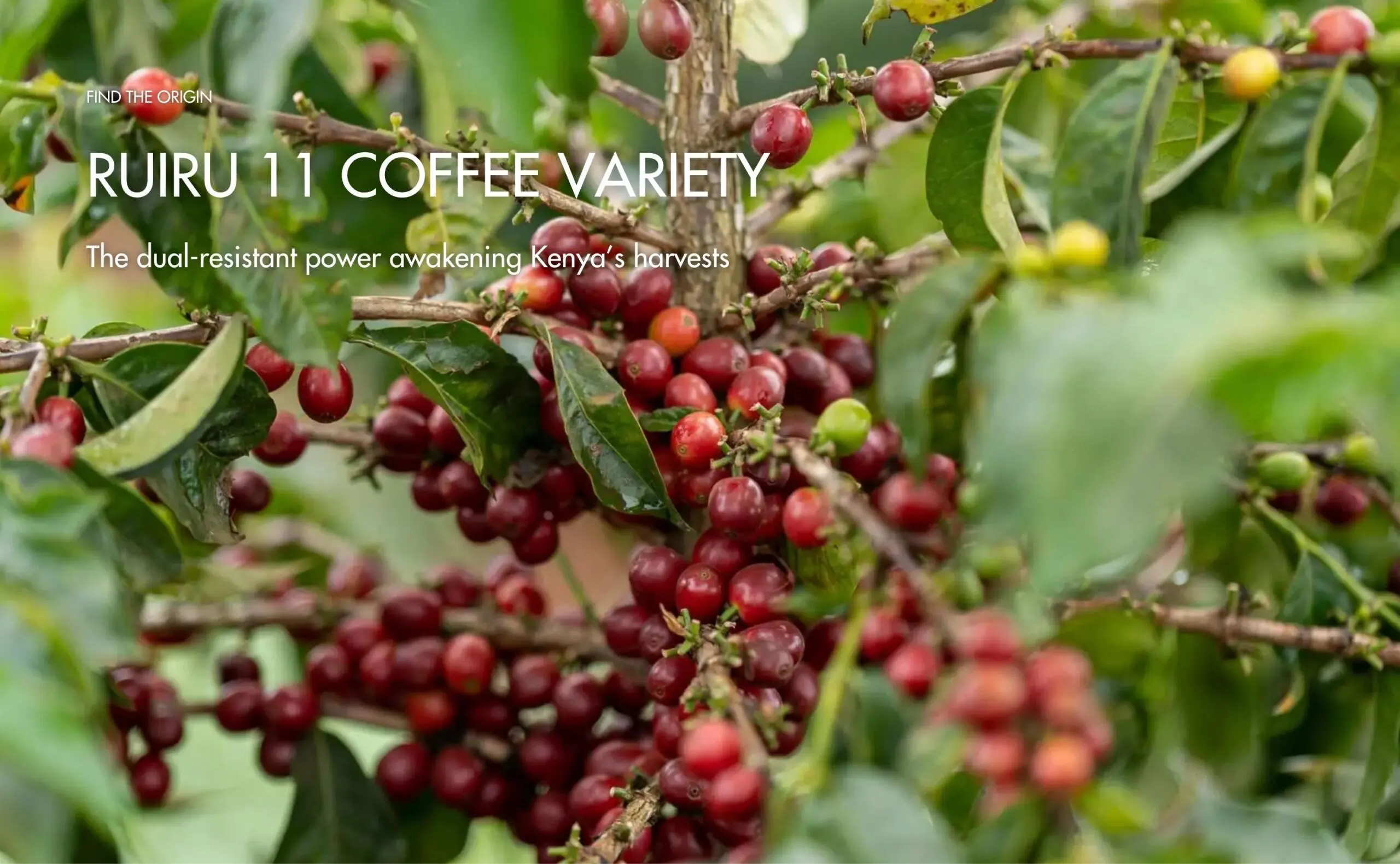
- Find the Origin
Ruiru 11 coffee variety – The dual-resistant power awakening Kenya’s harvests
Born from the ashes of a devastating pandemic, Ruiru 11 is a resilient response of indigenous wisdom to the trials of nature. Carrying a complex genetic code from 66 sibling isolines, this humbly statured coffee variety possesses superb “dual-resistance” against the twin shadows of Coffee Berry Disease and Coffee Leaf Rust. Overcoming early prejudices and the paradox of trade-offs between yield and flavor, Ruiru 11 has been weaving through nurseries, awakening dormant harvests across highland hillsides, and igniting a proud flame of self-reliance for Kenyan coffee.

- Taste the Origin
Sudan Rume #00313 by CGLE – The origin legend beneath the Eucalyptus canopy
From a wild coffee lineage discovered in the Rume Mountains in the 1940s to the enduring conservation efforts of Café Granja La Esperanza, Sudan Rume #00313 by CGLE invites drinkers on a sensory pilgrimage to the birthplace of the Arabica world. It is a rare biological legacy preserved through unwavering dedication, integrity, and deep reverence for history.
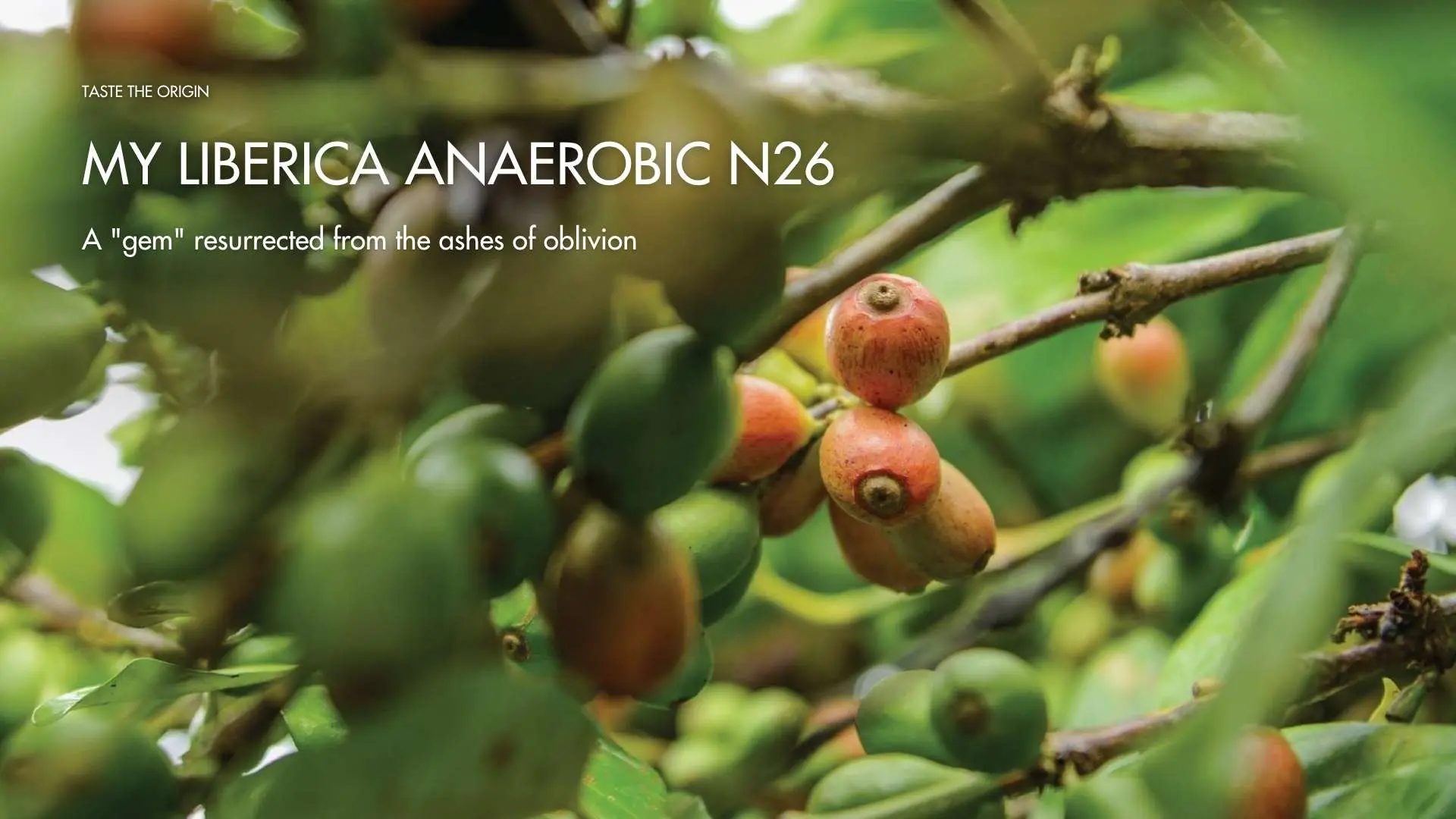
- Taste the Origin
My Liberica Anaerobic N26 – A “gem” resurrected from the ashes of oblivion
The journey of My Liberica Anaerobic N26 is the triumph of a forgotten species, awakened by the depth of understanding, patience, and faith in its original essence. From the heavy clay layers of Kulai to 26 days of transformation in absolute darkness, each step contributes to unlocking layers of flavor that the world once thought could not exist in Liberica. More than just a cup of coffee, My Liberica Anaerobic N26 is a powerful declaration that all great values begin with the courage to delve into their essence, and then rise to a unique voice that resonates throughout the world.


- Taste the Origin
Finca Soledad Mejorado Tyoxy & Fincas Putushio Mejorado – The red thread of the Jijón family
The simultaneous arrival of Finca Soledad Mejorado Tyoxy and Fincas Putushio Mejorado at XLIII Coffee paints a remarkable portrait of the adaptability of the Mejorado variety within Ecuador’s specialty coffee landscape. Nurtured by a shared family philosophy and a commitment to principled cultivation, these two processed lots represent both a breakthrough in microbial innovation and the remarkable return of an exceptional flavor profile.

- Taste the Origin
Finca La Palestina Gesha #5482 – A new chapter in the legend from Cajamarca
From the renowned Cajamarca region, Finca La Palestina Gesha #5482 returns after a period of absence with a proud and fresh appearance. Nurtured in ideal altitude conditions and the cool climate characteristic of the Andes, each coffee bean slowly accumulates subtle flavor nuances before being perfected using the Washed method to maximize the purity of the Gesha variety. Under a carefully refined extremely-light roast profile, this batch of coffee reveals layers of white jasmine, ripe citrus, and sweet golden apricot aromas, interwoven in an elegant and rich flavor structure.

Specialty Coffee in Vietnam
BRAND VALUE
YOU SHOULD HAVE KNOWN
XLIII Coffee has been aiming to become a big, impactful company with social responsibilities,
have access to high-quality raw materials and convey the complete original values of coffee to our customer
