
Perfecting the flavor experience with Coffee Aftertaste
What lingers in your mouth and memory after the last drop of coffee has been consumed? Is it the sweet and lingering aftertaste notes? That moment can significantly impact the valuable experience of exploring an authentic cup of Specialty coffee. What creates the difference, allowing the aftertaste to linger as a gentle whisper, reminding you of the flavors that have passed?
I. What is Aftertaste in Specialty Coffee?
Aftertaste is a coffee terminology involving aroma, flavor, mouthfeel, and the richness of the coffee. It is the sensation that remains after you swallow a sip of coffee. Sometimes, it could be the bitterness of a dark roast or the cloying sweetness of caramel-dominated coffee. In coffee quality evaluation, aftertaste is a crucial factor as it reveals much about the coffee beans’ origin, processing, and roasting methods. Depending on the characteristics and brewing method of each type of coffee, the aftertaste can linger for a long time or disappear quickly. Terms like bitter, heavy, long, and short are often used to describe this sensation.
II. Factors affecting Aftertaste
A pleasant and lingering aftertaste enhances the coffee drinking experience, while an unpleasant aftertaste can significantly negatively impact the user. This result is a combination of various factors, where balance and perfect harmony can lead to a refreshing and relaxing experience.
Core factors influencing Aftertaste formation
The formation of aftertaste in coffee results from a complex chain of factors related to the nature of the coffee beans, processing, roasting, and brewing methods. However, this process can be simplified into a fundamental process involving the compounds in Specialty coffee beans. Specifically, the soluble and insoluble compounds in ground coffee extracted through brewing continue to mix with the drinker’s saliva, creating the aftertaste.
Five factors that can alter the perception of Coffee Aftertaste
- Acidity: Acidity in the aftertaste can be crisp and bright or smooth and clean. It can cause the aftertaste to linger for hours or disappear quickly. If the coffee is under-extracted, when drinking espresso or if it’s a particularly acidic coffee, you may feel a slight heat sensation down your throat.
- Sweetness: Sweetness is a delightful aspect that can be found in aftertaste notes. A coffee with a pleasant sweetness will leave a bit of that sweetness for the drinker to savor and enjoy for some time, like the sweet and clean sensation in your throat after biting into a fresh pastry.
- Bitterness: Few people want to experience rare bitterness in their coffee aftertaste. It is usually sharp and astringent, sometimes creating a slightly harsh sensation when swallowed. This undesirable outcome is typically the result of over-roasting or over-extraction.
- Aroma: Aroma brings the most robust flavors to our overall coffee experience, and this remains true in the aftertaste. As you swallow a sip of coffee, the aroma rises to the back of the nasal cavity, where the brain interprets it as flavor. If the coffee’s aftertaste has a distinct flavor, it likely comes from the aroma.
- Mouthfeel: Mouthfeel rarely contributes to a strong aftertaste like the other factors, as our throats do not sense mouthfeel as our tongues do. However, coffee with a unique texture can still be noticeable, especially if it has a creamy or juicy body.

A pleasant and lingering aftertaste enhances the value of the coffee drinking experience, while an unpleasant aftertaste can significantly negatively impact the user.
Don’t rush to finish your coffee; pay attention to each tasting element, then gradually feel how they influence the aftertaste. Sometimes only one or two factors define the aftertaste, but sometimes they all play a role in creating that memorable final moment.
III. How to enjoy Coffee’s Aftertaste
The best way to experience coffee’s aftertaste is to exhale deeply and slowly when swallowing. This allows the liquid components to flow down the back of your tongue and throat without disrupting the experience by the esophageal muscles. It also enables the aromas to rise and unfold gently and clearly.
There are many ways to approach aftertaste, one of which is to start with simple curiosity and questions like those above. These questions provide a quick way to evaluate the aftertaste without needing to delve deeply into each tasting element, something not everyone has the sensitivity or finesse to do.
Here are a few suggested questions to help you get closer to the aftertaste of a cup of Specialty coffee:
- Which sensory elements contribute the most to the aftertaste? – If the aftertaste is overly bitter or acidic, take note. Perhaps the most noticeable component is the rich, refreshing sweetness or the powerful and intense aroma. Whatever stands out the most, remember it.
- What is the dominant flavor characteristic of the aftertaste? – The aftertaste of some types of coffee doesn’t have much flavor. This doesn’t mean they’re bland or of low quality—they simply lack strong aroma. However, most types of coffee (if they are freshly roasted and ground) will offer you plenty of aroma to enjoy and reflect upon in the aftertaste. Can you detect any flavor in the aftertaste that defines this experience?
- How does the aftertaste change? – Many types of coffee have an aftertaste that changes slightly as the coffee goes down the throat. Sometimes it starts with simple sweetness, then transitions into a more intense flavor as the aroma rises. Sometimes it begins with mild acidity, then shifts to a bright acidity as the acid contacts softer tissues.
- What aftertaste lingers? – When your coffee has been grown, roasted, and brewed with the precision of an expert throughout the journey, it will likely have a fantastic aftertaste that lingers for a long time. Balanced coffee tends to do this, creating a wonderful coffee experience that continues after the cup is empty. Under-extracted coffee can create a short, disappointing aftertaste, leaving only a bit of spiciness. Over-extracted coffee can leave you with a dark, intense bitterness for a short time after each sip.

The best way to experience the aftertaste of coffee is to exhale deeply and slowly when swallowing.
Reflecting on these four questions, we can draw our unique conclusions about the aftertaste, with descriptions such as:
- A bright, floral coffee from Panama with a crisp aftertaste, and a lingering floral scent reminiscent of a walk through a flower field.
- A Rwandan coffee with earthy notes, a dark chocolate and spice aftertaste, complemented by a faint woody aroma.
- One of my favorite coffees, naturally processed Ethiopian coffee, tends to have a rich fruity aftertaste with a pleasant lingering sweetness and mild acidity.
IV. The role of Aftertaste in the world of Specialty Coffee
Distinguishing the aftertaste of coffee is one of the main factors in differentiating types of Specialty Coffee. This is one of the pillars of coffee tasting and a skill baristas need to classify the coffee they taste.
Reflecting the quality of coffee beans
In specialty coffee competitions, such as the Specialty Coffee Association (SCA) Cupping Competitions, aftertaste is one of the essential criteria used to evaluate coffee quality. Coffee with a long-lasting, complex, and pleasant aftertaste typically scores high. For example, Ethiopian Yirgacheffe coffee is famous for its floral and passionfruit aftertaste, leaving a fresh and clean sensation after drinking, often highly rated.
Conversely, coffee with a bitter or quickly vanishing aftertaste may indicate poor quality or inadequate processing methods. For example, ordinary Robusta coffee can have a bitter, uncomplicated, and prolonged aftertaste, often ranking it lower in quality compared to Arabica.
Revealing origin and processing methods
Aftertaste can vividly reflect the geographical origin and processing method of the coffee. Coffee from different growing regions worldwide brings distinct aftertastes. For instance, coffee from the Antigua region in Guatemala often has a chocolate and spice aftertaste, while coffee from Sidamo in Ethiopia may have a fruity and citrus aftertaste.
The processing method also significantly impacts aftertaste. Dry-processed (natural) coffee from Brazil often has a sweet, rich aftertaste with ripe fruit notes, while wet-processed (washed) coffee from Colombia usually leaves a bright aftertaste with fruity notes and high acidity. A specific example is Bourbon coffee from Colombia, wet-processed, known for its berry and mild acidity aftertaste.
Influencing consumer choice
Coffee drinkers often return to coffees with aftertastes they love. For example, those who enjoy chocolatey and sweet aftertastes may choose coffee from regions like Huehuetenango, Guatemala, or Sumatra, Indonesia.
This also leads specialty coffee roasters and cafes to focus on creating and maintaining distinctive aftertastes to attract and retain customers.
Enhancing barista and cupper skills
Recognizing and evaluating aftertaste requires the subtlety and skill of the taster, a skill developed over time. Specialty coffee enthusiasts often practice perceiving aftertaste by trying various types of coffee and recording the aftertaste characteristics they notice. For example, in cupping sessions, participants typically note how long the aftertaste lasts, what flavor notes are present, and the sensation left in the mouth, thus developing a deeper understanding of coffee.

The aftertaste of coffee is one of the factors used to evaluate the quality and flavor of the coffee.
Conclusion
Aftertaste in coffee is not just the final sensation when finishing a cup of coffee but also a crucial element in evaluating and experiencing the quality of specialty coffee. A good aftertaste can enhance the experience, making it unforgettable. Therefore, a precise understanding and perception of aftertaste help us perfect the coffee-tasting journey, turning each sip into a precious memory.
If you are searching for high-quality specialty coffee that offers rich and diverse aftertaste experiences, visit XLIII Coffee. The original, pure notes from XLIII Coffee’s premium Specialty lots promise to guide users to a garden full of fragrant flowers and sweet fruits. This could be the sweet, elegant linger of Pink Bourbon Potosi #0628, Neja Fadil, or the fresh, vibrant energy of Nueva Alianza Mejorada #3190, Palestina Gesha #3485.
V. FAQs
Why is aftertaste important in evaluating coffee quality?
Aftertaste is crucial because it reflects the coffee’s origin, processing method, and roasting, helping to determine its complexity and overall value.
What factors influence the aftertaste of coffee?
The aftertaste of coffee is influenced by acidity, sweetness, bitterness, aroma, and mouthfeel. Each of these elements contributes to the unique aftertaste experienced after drinking coffee.
How can you best experience the aftertaste of coffee?
To best experience the aftertaste, exhale deeply and slowly as you swallow, allowing the aromas and flavors to fully develop in your mouth and throat.
How does the processing method affect coffee’s aftertaste?
The processing method significantly impacts aftertaste. For example, dry-processed coffee from Brazil typically has a sweet, rich aftertaste, while wet-processed coffee from Colombia often leaves a bright, fruity aftertaste.
What experience does aftertaste bring to coffee drinkers?
Aftertaste provides a complete and deep sensory experience, helping coffee drinkers remember and appreciate the flavors long after finishing the cup, enhancing the overall enjoyment of the coffee.

Bài viết mới

- Find the Origin
Mandela coffee variety – A convergence of generations from a masterpiece breeding strategy
Amidst the constant fluctuations of the era, Mandela emerges as a gentle yet resilient response from the soil. Instead of attempting to alter or impose upon nature, this breeding strategy is, in essence, a profound act of listening. Each Mandela coffee bean carries the bloodline of multiple generations, possessing both the serene, steadfast nature of native trees and the sparkling elegance of premium varieties. It is a sacred continuation, where the flow of generations ultimate honors the original value of the species, imparting an intact and sustainable vitality into every cup.


- Taste the Origin
Nigussie Nare – Murago Outgrowers #03028: Cultivated from the Values of Sustainable Reciprocity
Nestled beneath the shade trees of Sidama, Bensa, the Nigussie Nare – Murago Outgrowers #03028 coffee lot serves as a living testament to the values of sustainable reciprocity. This symbiosis begins with the intimate bond between a rich indigenous ecosystem and the smallholder farmers of the Murago region. Each harvested bean is the culmination of a virtuous cycle: a stable environment produces exceptional bean quality, and sustainable economic growth, in turn, continues to protect the verdant canopy of the great forest.

- Taste the Origin
Rift Valley Coffee Caucus #03757 – A Testament to Western Kenya’s Collective Spirit
Turning our gaze to the Great Rift Valley of East Africa, the fertile volcanic landscapes are witnessing an inspiring transformation. Moving away from fierce, survival-driven competition, smallholder farmers in Western Kenya have chosen to join forces, forging a resilient and unified network. The Rift Valley Coffee Caucus #03757 lot stands as the ultimate testament to this remarkable collective synergy.

- Breaking News
Airworks Coffee & XLIII Coffee – A “handshake” that brings original flavors across borders
XLIII Coffee, alongside our key wholesale partner Airworks Coffee, officially announces the latest release of specialty coffee lots for the North American market. This event reaffirms our commitment to bringing original flavors across all geographical barriers to coffee enthusiasts.
Early access (for Subscribers of Airworks): 10:00 AM (PST) | Wednesday, April 29, 2026
General access: 10:00 AM (PST) | Friday, May 1, 2026
We invite our Customers and Partners to visit (airworkscoffee.com) for detailed information and to prepare for this special release!
- Taste the Origin
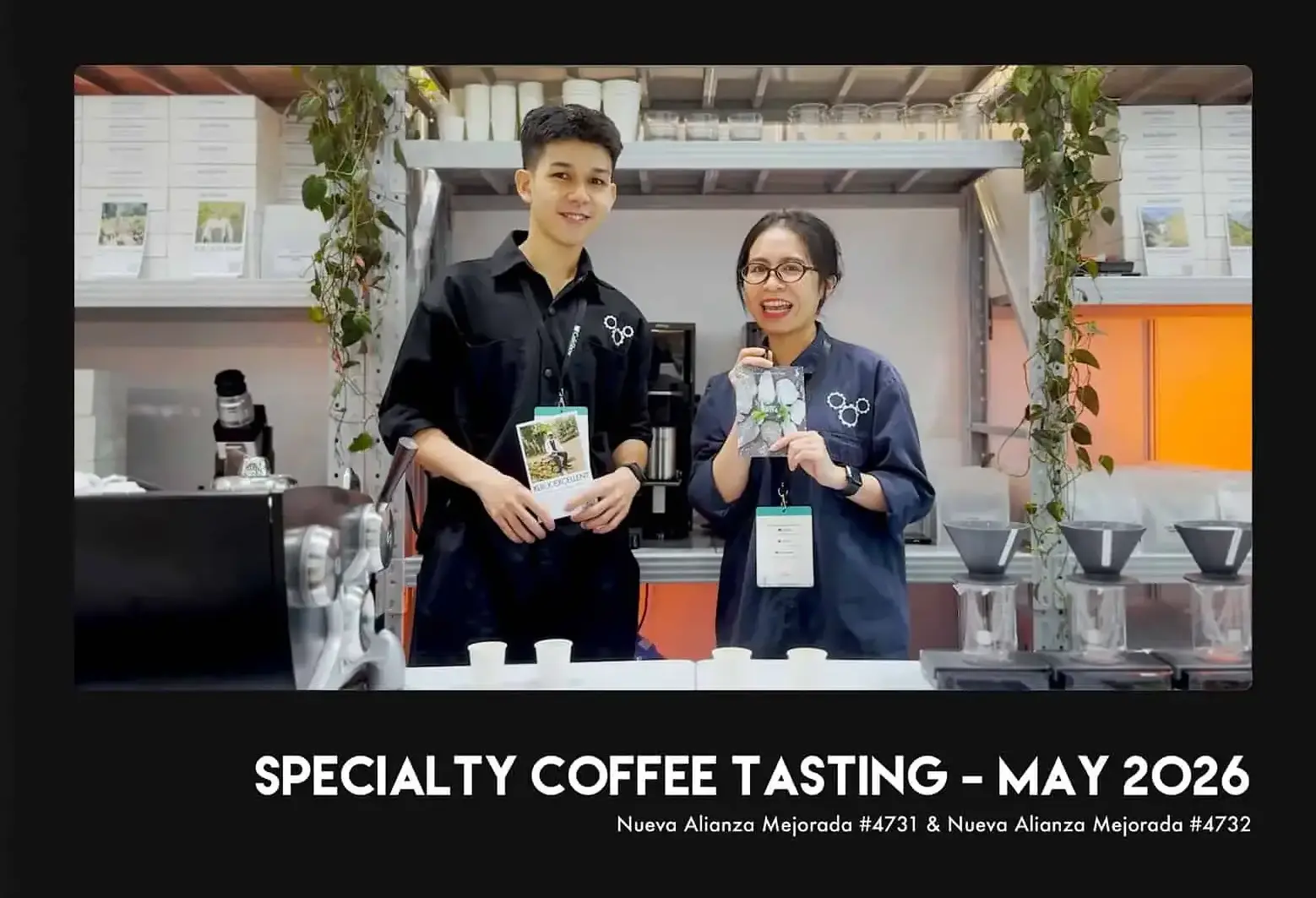
Unveiling May Discovery Subscription: Nueva Alianza Mejorada #4731 & Nueva Alianza Mejorada #4732
The Discovery Subscription is a silent dialogue, a place where the soul of the connoisseur finds a harmonious beat with distant lands. Like a transparent lens, we become storytellers, meticulously peeling back layers of cultural sediment, the breath of the soil, and the human philosophies hidden within every coffee bean.
May arrives with brilliant streaks of golden sunlight, a time when we long to hide beneath the lush, dew-drenched canopies of Santa Teresa. Amidst the silence of the Andes, when compassion touches Mother Earth, what will we hear? Perhaps it is a sweet response that nature reserves solely for souls who know how to wait patiently.

Specialty Coffee in Vietnam
BRAND VALUE
YOU SHOULD HAVE KNOWN
XLIII Coffee has been aiming to become a big, impactful company with social responsibilities,
have access to high-quality raw materials and convey the complete original values of coffee to our customer
