
Exploring the Syphon method and comparing it with pour-over
The Syphon method has long represented coffee extraction through pressure, symbolizing the fusion of artisan craft in coffee brewing. So, how does the Syphon work? How can one create a perfect cup of coffee with the Syphon method?
I. What is the Syphon Brewing Method?
The name “Syphon” originates from the Syphon pot, the main tool used in this method. This is a pressure-based coffee brewing technique that relies on reverse osmosis. Water is boiled in the lower chamber, creating pressure that pushes steam up to the coffee grounds in the upper chamber. After boiling, the vacuum effect pulls the brewed coffee back down to the lower chamber.

Syphon is a coffee brewing method that uses pressure, based on the principle of reverse osmosis
II. Detailed Working Principle of the Syphon Brewing Method
The Syphon brewing method uses pressurized steam to extract coffee and brews coffee in a vacuum environment. The Syphon pot has two brewing chambers: the upper chamber—where the vacuum is created—and the lower chamber—where the brewing water is initially added. The heat source and design of the Syphon tube help create a vacuum in the upper brewing chamber due to air pressure differences. When the water in the lower chamber boils, some of it turns into steam, which increases the water pressure.
Since the density of steam is much lower than that of liquid water, the mixture of air and steam in the lower chamber expands. This continues until the spout from the upper chamber connects to the lower chamber, allowing water to flow into the upper chamber. When the heat source is turned off, the pressure decreases, pushing the brewed coffee back into the lower chamber—while leaving the used coffee grounds in the upper chamber.

Because the density of steam is much lower than that of liquid water, the mixture of air and steam in the lower chamber expands
III. Brewing Coffee with Syphon
The Syphon brewing method is relatively simple and consists of six basic steps. However, through the skilled hands of baristas, the flavors within the coffee beans are gradually explored and brought out in a unique way. Each brewing artisan will have different experiences to control the temperature and time to best suit the coffee beans.
Steps for Syphon Brewing
- Clean the brewing equipment thoroughly and soak the coffee filter in boiling water.
- Measure the water according to the coffee ratio used, with 1 gram of coffee corresponding to 1 ml of water.
- Use coffee that is roasted and ground as for filter brewing, adding the coffee grounds to the upper chamber.
- Turn on the specialized heating stove and start heating the water—ensuring the stainless steel tube connects the lower and upper chambers. After a while, when the water boils, you will see steam starting to rise into the upper brewing chamber.
- When the water in the lower chamber is depleted, turn off the heat—the brewed coffee will slowly flow back down into the lower chamber.
- Once all the coffee has flowed back, pour it into a serving cup.
When brewing with the Syphon pot, the coffee is fully immersed in water throughout the extraction process since this is an immersion brewing method. This results in a unique flavor, particularly in terms of texture and mouthfeel.
Tips for Syphon Brewing
To ensure even extraction, baristas need to control the stirring level. According to the World Siphonist Championship, to achieve the best possible results with a Syphon, you should use a double stirring technique. Specifically, stir the water first to create a “whirlpool” in the upper brewing chamber, then stir again after adding the coffee to the water. The first stir is the most important as it ensures the coffee grounds are evenly saturated after being added to the water.
While the first stir can be more vigorous, the second stir should be gentle to allow the coffee to de-gas—similar to the blooming process in Pour-over brewing. A sign of executing a skilled stirring technique is the formation of a dome of coffee grounds at the bottom of the upper chamber, with larger coffee particles accumulating at the bottom.

When brewing with a syphon, the coffee is fully immersed in water throughout the extraction process, as this is an immersion brewing method
IV. Distinguishing the Syphon Method from Pour-over
| Criteria | Syphon Brewing | Pour-over |
|---|---|---|
| Operating Principle | Syphon is a vacuum brewing method using pressure for coffee extraction. | Relies solely on gravity for coffee extraction. |
| Time | Faster. Usually takes 1 – 1.5 minutes. | Longer. Typically takes 3-4 minutes to obtain the finished cup. |
| Equipment Structure | More complex, consisting of two main glass chambers connected by a Syphon tube. | Simpler, featuring a cone-shaped filter holder made of glass, ceramic, metal, or plastic, and a paper or metal filter placed inside the cone. |
| Flavor | Flavor is evenly extracted from the coffee grounds, often described as clean, smooth, and delicate with remarkable clarity. Lower acidity gives a mellow cup. | Fresh, clean, and bold flavor, with better control over the taste, allowing for personalization. |
| Filter | Often uses fabric or metal filters. | Typically uses paper filters. |
Conclusion
The ability to extract coffee through carefully controlled pressure helps create a clean, smooth cup with a subtle flavor and light acidity. However, to achieve the perfect cup of coffee using the Syphon, the brewer needs to precisely control the temperature, time, and stirring technique, which can be a challenge for beginners.
V. FAQs
1. How does the Syphon brewing method work?
The Syphon brewing method uses steam pressure to push boiling water from the lower chamber to the upper chamber, where the coffee is extracted. After the heat source is turned off, the coffee flows back down to the lower chamber, leaving the grounds in the upper chamber.
2. Why does Syphon create a unique flavor in coffee?
The Syphon allows the coffee to be fully immersed in water throughout the extraction process, resulting in a clean, smooth, and delicate flavor. This method also reduces acidity, providing a mellower experience for the cup of coffee.
3. What factors should be considered when brewing with Syphon?
Baristas need to control the temperature, time, and stirring level to ensure even extraction. The double stirring technique, with a vigorous first stir and a gentle second stir, will create better saturation and help the coffee de-gas.
4. How do Syphon and Pour-over differ in their operating principles?
Syphon is a vacuum brewing method based on pressure for coffee extraction, while Pour-over relies solely on gravity. The structure of the Syphon is more complex, featuring two glass chambers and a connecting Syphon tube.
5. Who is Syphon suitable for?
Syphon is ideal for those who enjoy the experience of handcrafted coffee brewing and appreciate the intricate brewing process. However, the high technical demands and complex equipment make this method difficult for those who need a quick brew.

Bài viết mới
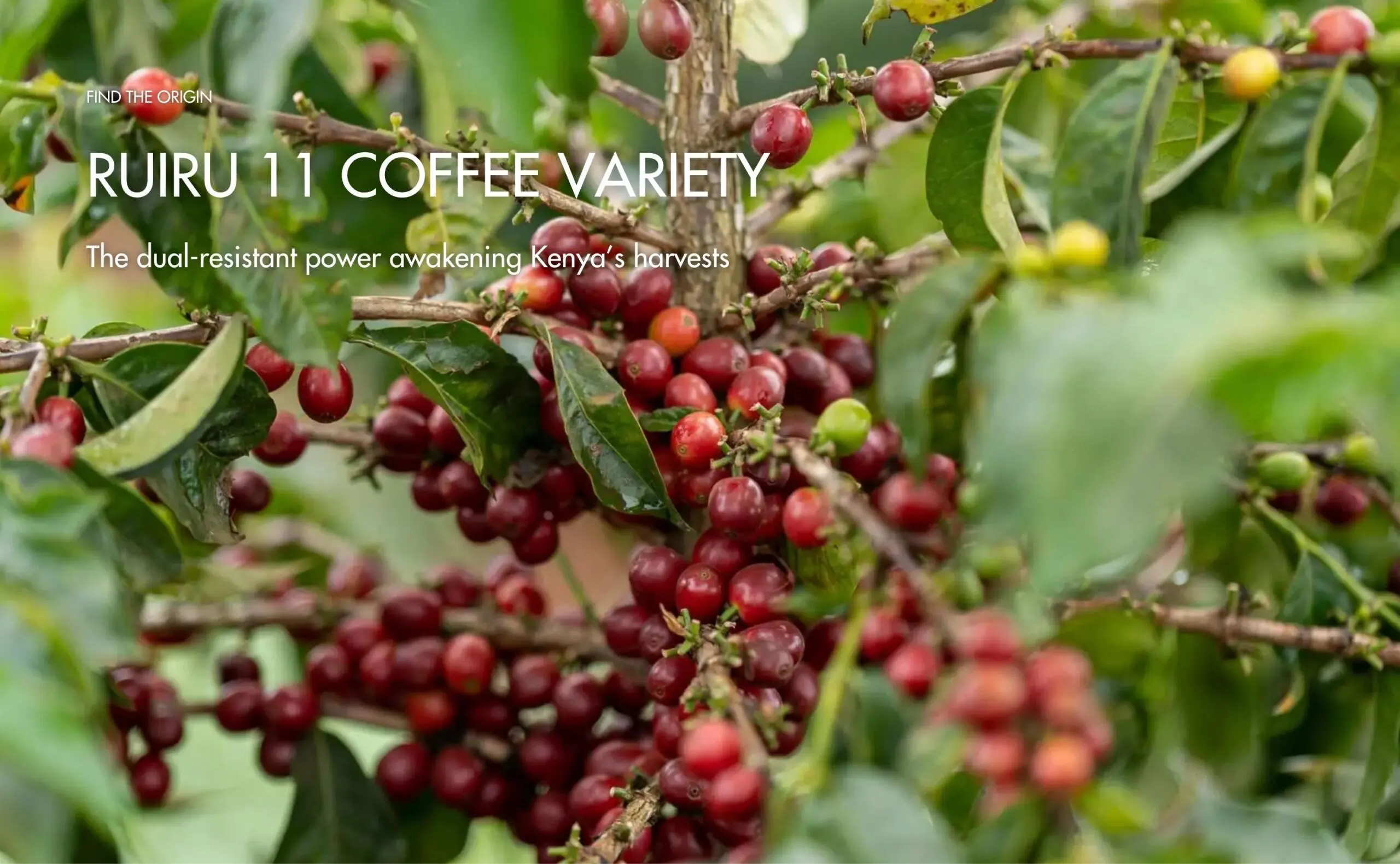
- Find the Origin
Ruiru 11 coffee variety – The dual-resistant power awakening Kenya’s harvests
Born from the ashes of a devastating pandemic, Ruiru 11 is a resilient response of indigenous wisdom to the trials of nature. Carrying a complex genetic code from 66 sibling isolines, this humbly statured coffee variety possesses superb “dual-resistance” against the twin shadows of Coffee Berry Disease and Coffee Leaf Rust. Overcoming early prejudices and the paradox of trade-offs between yield and flavor, Ruiru 11 has been weaving through nurseries, awakening dormant harvests across highland hillsides, and igniting a proud flame of self-reliance for Kenyan coffee.

- Taste the Origin
Sudan Rume #00313 by CGLE – The origin legend beneath the Eucalyptus canopy
From a wild coffee lineage discovered in the Rume Mountains in the 1940s to the enduring conservation efforts of Café Granja La Esperanza, Sudan Rume #00313 by CGLE invites drinkers on a sensory pilgrimage to the birthplace of the Arabica world. It is a rare biological legacy preserved through unwavering dedication, integrity, and deep reverence for history.
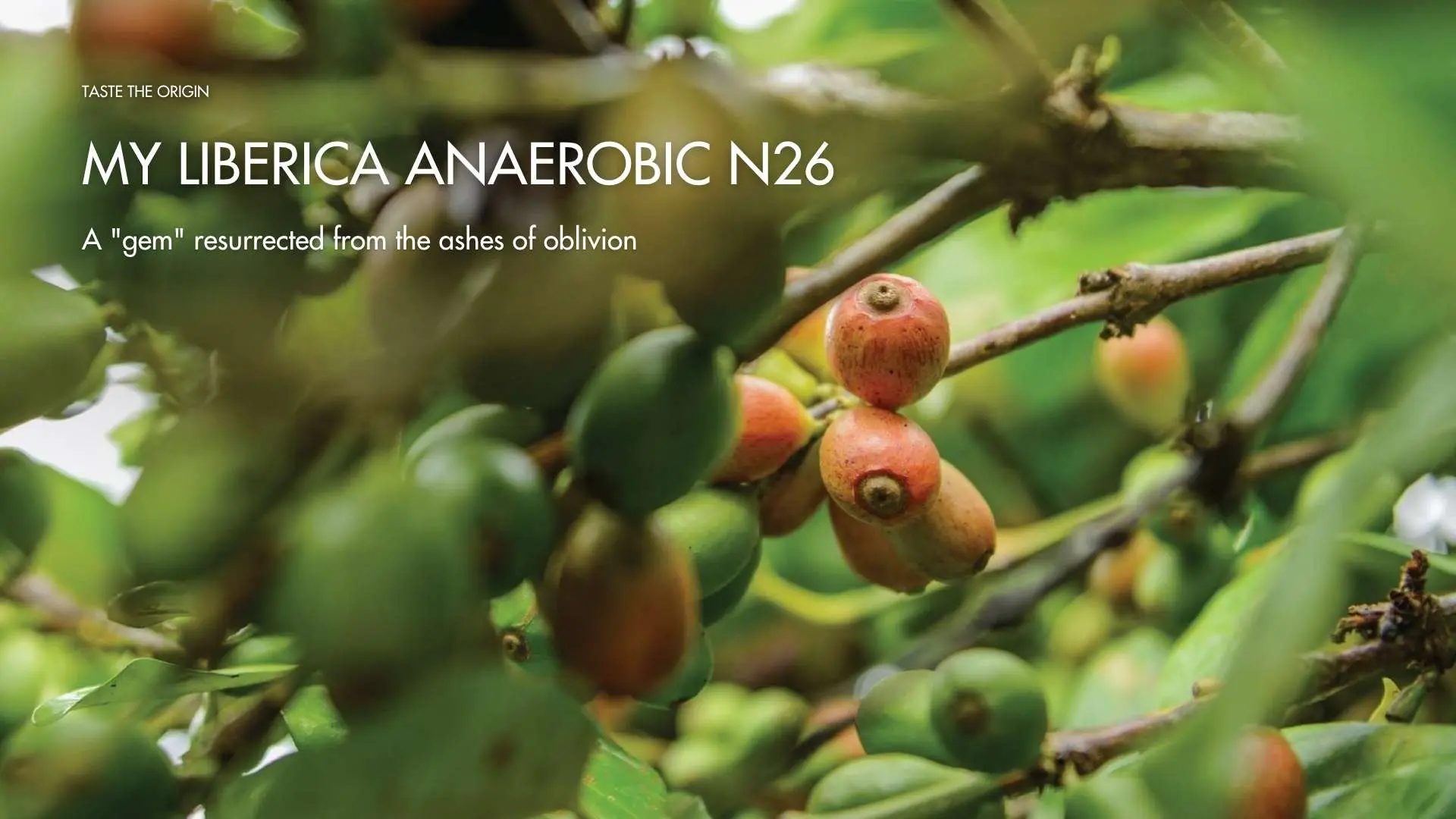
- Taste the Origin
My Liberica Anaerobic N26 – A “gem” resurrected from the ashes of oblivion
The journey of My Liberica Anaerobic N26 is the triumph of a forgotten species, awakened by the depth of understanding, patience, and faith in its original essence. From the heavy clay layers of Kulai to 26 days of transformation in absolute darkness, each step contributes to unlocking layers of flavor that the world once thought could not exist in Liberica. More than just a cup of coffee, My Liberica Anaerobic N26 is a powerful declaration that all great values begin with the courage to delve into their essence, and then rise to a unique voice that resonates throughout the world.


- Taste the Origin
Finca Soledad Mejorado Tyoxy & Fincas Putushio Mejorado – The red thread of the Jijón family
The simultaneous arrival of Finca Soledad Mejorado Tyoxy and Fincas Putushio Mejorado at XLIII Coffee paints a remarkable portrait of the adaptability of the Mejorado variety within Ecuador’s specialty coffee landscape. Nurtured by a shared family philosophy and a commitment to principled cultivation, these two processed lots represent both a breakthrough in microbial innovation and the remarkable return of an exceptional flavor profile.

- Taste the Origin
Finca La Palestina Gesha #5482 – A new chapter in the legend from Cajamarca
From the renowned Cajamarca region, Finca La Palestina Gesha #5482 returns after a period of absence with a proud and fresh appearance. Nurtured in ideal altitude conditions and the cool climate characteristic of the Andes, each coffee bean slowly accumulates subtle flavor nuances before being perfected using the Washed method to maximize the purity of the Gesha variety. Under a carefully refined extremely-light roast profile, this batch of coffee reveals layers of white jasmine, ripe citrus, and sweet golden apricot aromas, interwoven in an elegant and rich flavor structure.

Specialty Coffee in Vietnam
BRAND VALUE
YOU SHOULD HAVE KNOWN
XLIII Coffee has been aiming to become a big, impactful company with social responsibilities,
have access to high-quality raw materials and convey the complete original values of coffee to our customer
