
What is a Washing Station in the Specialty Coffee Industry?
In the specialty coffee value chain, washing stations play a crucial role in transforming fresh coffee cherries into high-value products. From the traditional washing stations in Ethiopia to modern facilities in Rwanda, each location possesses its unique characteristics, contributing to the global diversity of specialty coffee.
I. Characteristics and technical requirements of washing stations
Location and Natural Conditions
The geographical location and natural conditions are foundational factors determining the potential of a washing station. Through the partner network of XLIII Coffee, we can clearly see the importance of these factors:
- Altitude and Microclimate:
– Bona Zuria Washing Station in Sidama, Ethiopia (2,185m): This unique geographical position, bordering many important regions, creates a distinctive environment for coffee processing.
– Refisa Washing Station in Nensebo (2,200m): A convergence point for local and wild coffee varieties, benefiting from the region’s characteristic climate.
– Genji Challa Washing Station (2,000m): Situated on the edge of the Belete-Gera forest, leveraging the area’s diverse ecosystem.
XLIII Coffee’s collaboration with washing stations above 2,000m altitude demonstrates its emphasis on factors affecting coffee quality and reflects its commitment to seeking unique flavors for coffee lovers.
- Water Source and Geological Conditions
A key factor in the operation of a washing station is a stable and clean water source. XLIII Coffee’s partner stations strictly monitor water quality, including pH levels, mineral content, clarity, and stability of supply.

For example, at Bona Zuria, the drying system is carried out on raised African-style beds with coverings, a traditional yet highly effective method.
Facilities and Equipment
A modern washing station requires complete functional areas and specialized equipment:
- The intake and sorting areas need spacious drying grounds, weighing systems, quality control facilities, and initial sorting areas.
- For instance, at Bona Zuria, the intake process is designed to efficiently handle production from 300 farming households, using a system that sorts cherries based on ripeness and quality.
The wet processing system must meet precise requirements, such as an accurate depulper, temperature-controlled fermentation tanks, and a washing and density sorting system.
The drying area must ensure a drying time of 4-6 weeks, with moisture control reaching 10-11.9% to maintain bean quality to the highest standard.
Water Management in Washing Stations
Water plays a critical role not only in quantity but also in quality in washing station operations. Processing one kilogram of parchment coffee often requires 15-20 liters of water during the wet processing stage. Efficient water management becomes vital, especially in the context of climate change and increasing water scarcity.
XLIII Coffee’s partner stations adhere to strict water quality standards: maintaining neutral pH levels (6.5-7.5), free of heavy metals and impurities, with high and stable clarity.
The water management system at Refisa is designed in a circular model to minimize environmental impact and optimize the use of this precious resource. This system includes separate clean water tanks for each stage, filtration and water reuse mechanisms, with flow measurement and monitoring equipment.
At Bona Zuria, treated wastewater is used for irrigation, creating a sustainable and closed-loop production cycle.

At washing stations, water quality is one of the critical factors determining the final product’s quality.
II. Operational processes and quality control
Sorting and Evaluation Process
Sorting is conducted through multiple stages. During the initial inspection, cherries are visually assessed for ripeness, checked for impurities, and screened for defects.
Next, detailed sorting separates cherries based on ripeness and size, followed by density classification.
At Bona Zuria, this process is carried out meticulously with 300 farming households, combining traditional methods with modern technology to ensure the highest accuracy.
Processing Methods
Diversity in processing methods is a significant factor contributing to the uniqueness of specialty coffee. XLIII Coffee’s partner washing stations demonstrate flexibility and creativity in applying different methods.
- Traditional Wet Processing: This widely used method has been standardized over time to produce clean and distinctive flavor profiles.
- Anaerobic Processing: This innovative approach, pioneered by Genji Challa under the leadership of Kefyalew Deressa, involves fermenting cherries in an oxygen-free environment. The result is unique flavor profiles such as vanilla and cinnamon.
- Natural Processing: At Bona Zuria, this method is performed using covered raised African-style beds to maximize sweetness and fruit-forward flavors in the beans.

Wet processing of coffee is a method used to preserve the full, rounded flavor of the final coffee beans, meeting the strict standards of specialty coffee.
Quality Control
Quality control extends beyond evaluating the final product and encompasses the entire process from cherry intake to export. This comprehensive approach ensures consistency in quality across seasons, a critical factor for the success of a washing station.
- Critical Control Points (CCP)
At Genji Challa, a key XLIII Coffee partner, the quality control system is built around three main stages: cherry intake, fermentation, and drying.
During cherry intake, ripeness is assessed visually and measured using a Brix meter. Impurity levels are strictly controlled below 0.5%, and the time from harvest to processing does not exceed eight hours.
The fermentation process is carefully monitored by controlling temperature, duration, and pH levels. Meanwhile, during drying, parameters such as the thickness of the coffee layers on drying beds, turning frequency (3-4 times per day), and moisture monitoring until it reaches 10-11.9% are rigorously tracked.
Sampling and Evaluation Process
XLIII Coffee works with partners to establish comprehensive quality assessment procedures. At Bona Zuria, every batch undergoes a three-tiered evaluation process: sensory assessment at the washing station, technical testing in the lab, and final cupping for quality evaluation.
A traceability system is specifically designed to meet market requirements and facilitate continuous quality improvement. Each batch is assigned a unique code, allowing detailed tracing of its origin and cultivation methods.

At Kinini, where 85% of members are women, the traceability system also enhances transparency in production and ensures equitable benefits for the farming community.
III. Management and Operational Models
Organizational Structure
One of the fascinating aspects of the specialty coffee industry is the diversity of washing station management models, reflecting cultural and social characteristics of each region. Through its network of partners, XLIII Coffee showcases three prominent management models:
- Family Model: At Bona Zuria, under the leadership of Mr. Ayele Tulu, the family model has proven effective in maintaining quality and building sustainable community relationships. This model features quick decision-making, a long-term commitment to quality, and the passing of knowledge through generations.
- Corporate Model: Refisa, led by Tariku Kare, exemplifies the modern corporate model. Starting as a coffee sorter at age 15, Kare has built a large-scale business serving 593 farmers across four villages. This model is characterized by a professional organizational structure, standardized quality management, and long-term strategic development.
- Community Model: Kinini in Rwanda stands out with a unique community model where 85% of members are women. Founded by Jacquie Turner and Malcolm Clear, it combines economic development with social impact initiatives.

Mr. Tulu, after 45 years of working with government agencies in Awassa, established the washing station as a legacy for future generations, with the active involvement of his son, Tsegab, and his brother, Yohanis.
Relationships with Farmers
The relationship between washing stations and farmers is a critical factor in ensuring long-term success in the specialty coffee industry. XLIII Coffee’s partners have established sustainable cooperative models that benefit both parties.
- Purchasing Policies: At Refisa, Tariku Kare’s business philosophy is to consistently pay above-market prices for ripe cherries. This policy motivates 593 farmers from four villages to improve their product quality, fostering long-term trust and stable supply relationships.
- Technical Support and Community Development: Beyond purchasing cherries, washing stations play a vital role in enhancing farmers’ skills. At Genji Challa, Kefyalew Deressa shares knowledge about cultivation techniques and helps farmers access new technology.
Season Management
Effective season management requires close coordination between washing stations and the farming community, especially given the increasing complexity of climate change.
- Seasonal Planning: At Bona Zuria, seasonal planning is based on weather forecasts and cultivation conditions. Following this, they assess crop yields and allocate resources and processing capacity accordingly. This process is carried out systematically, involving both the washing station and farmers to ensure feasibility and efficiency.
- Raw Material Coordination: Coordination of raw materials involves careful consideration of various factors. At Refisa, the coordination system is structured around harvesting zones based on altitude. They develop harvesting schedules for each farming household and match them with the processing capacity of the washing station.
During peak seasons, flexible coordination plans are essential to maintain the quality of coffee cherries by minimizing wait times.

Kinini has developed a unique model using “land lease agreements,” where the washing station provides seedlings and training, while farmers commit to delivering their produce. Ultimately, profits are shared equitably, fostering sustainable and mutually beneficial growth.
IV. Impact and development trends
Contribution to Coffee Quality
The development of professional washing stations has marked a turning point in enhancing the quality of specialty coffee. Through its partner network, XLIII Coffee has witnessed significant contributions from washing stations in shaping coffee flavor profiles and adding value.
Each washing station creates unique flavor characteristics in its products due to its specific natural conditions and processing methods:
- Genji Challa: Offers distinct vanilla, cinnamon, and citrus notes.
- Bona Zuria: Produces flavor profiles of honeysuckle, guava, and Chardonnay-like complexity.
- Refisa: Known for peach tea, pink lemonade, and honeydew melon notes.
These unique flavor profiles are the result of a combination of natural conditions and professional processing techniques.
In terms of value, superior quality from washing stations is reflected in market prices. For instance, Genji Challa achieved an export price of $13.50/kg. Kinini earned a score of 87 in its first year of production, and Bona Zuria batches consistently receive high ratings on the international market.
Sustainability Focus
Modern washing stations are not solely focused on product quality; they also emphasize sustainability in their operations. This focus is evident through three key aspects:
- Environmental Protection: At Bona Zuria, environmental measures are integrated into production processes, including a closed-loop wastewater treatment system. Byproducts are also used as organic fertilizer, and energy-saving technologies are applied.
- Community Development: Kinini serves as a model for holistic community development by investing 10% of its profits in education and healthcare. They lead initiatives such as vocational training for women and building local infrastructure.
- Gender Equality: Women’s participation in the industry is actively promoted, with Kinini serving as a prime example, where 85% of members are women. They offer specialized training programs and provide leadership and career development opportunities.

The focus on elevating product quality and ensuring sustainability, ethical practices, and responsibility throughout the production process is creating a bright future for the specialty coffee industry.
Trends and Innovations
The specialty coffee industry is experiencing noteworthy trends and innovations in washing station operations. These trends are evident in the practices of XLIII Coffee’s partners:
- Genji Challa is at the forefront of adopting new processing techniques such as anaerobic fermentation, automated temperature control, and fermentation monitoring using sensors. Additionally, washing stations are transitioning to digital management models, incorporating blockchain for traceability, real-time production data management, and IoT technology for monitoring processes.
- Compliance with international standards, such as organic and fair-trade certifications, has become common practice, with strict adherence to food safety standards to achieve sustainable production.
Conclusion
Washing stations play a crucial role in enhancing the quality and value of specialty coffee. Through the network of XLIII Coffee’s partners, we can observe the diversity in management and operational models, as well as their significant contributions to sustainable industry development.
As consumer interest in product quality and origin continues to grow, the role of washing stations will become increasingly important. The blend of tradition and innovation, along with a focus on quality and social responsibility, will continue to shape the future of the specialty coffee industry, creating value for everyone involved, from farmers to coffee enthusiasts.
V. Related questions
Why is the altitude of a washing station important in specialty coffee production?
Altitude plays a decisive role in determining the quality of specialty coffee by creating unique microclimates. At altitudes above 2,000 meters, such as Bona Zuria (2,185m) and Refisa (2,200m), lower temperatures extend the development time of coffee cherries, allowing for the accumulation of more flavor compounds. The fresh air and optimal humidity conditions at these altitudes provide ideal settings for natural fermentation and drying processes, contributing to the distinctive flavor profiles of the final product.
What are the common processing methods used at washing stations, and how do they differ?
Modern washing stations employ three primary processing methods, each tailored to achieve desired flavor profiles:
- Traditional Wet Processing: This method focuses on de-pulping and natural fermentation control, producing clean and defined flavor profiles.
- Anaerobic Processing, used at Genji Challa, creates unique notes such as vanilla and cinnamon through oxygen-free fermentation.
- Natural Processing: At Bona Zuria, this method involves extended drying of whole cherries on covered raised beds, enhancing the bean’s sweetness and fruit-forward notes.
How does a washing station maintain sustainable relationships with farmers?
Sustainable relationships between washing stations and farmers are built on fair and mutually beneficial cooperation. For example, at Refisa, Tariku Kare maintains a policy of paying above-market prices for high-quality cherries, motivating 593 farmers from four villages to continuously improve product quality. Kinini goes a step further by offering “land lease agreements,” providing seedlings and training to farmers and investing 10% of profits into community development, creating a sustainable cycle of growth for both parties.
What is the role of water in coffee processing at washing stations?
Water is essential in coffee processing at washing stations, with an average of 15-20 liters needed per kilogram of parchment coffee during wet processing. Water quality, especially pH balance and purity, directly affects the fermentation process and final flavor. Bona Zuria has developed a circular water management system, ensuring efficient use and reducing environmental impact by recycling treated water for irrigation.
What new development trends are shaping the future of washing stations?
The future of washing stations is being shaped by the combination of modern technology and sustainable practices. Genji Challa is pioneering IoT technology for fermentation monitoring and blockchain for traceability. Sustainability is reflected in models like Kinini, where 85% of members are women, focusing on gender equality and community development. These trends not only enhance production efficiency but also ensure long-term value for the entire industry.

Bài viết mới

- Taste the Origin
Rift Valley Coffee Caucus #03757 – A Testament to Western Kenya’s Collective Spirit
Turning our gaze to the Great Rift Valley of East Africa, the fertile volcanic landscapes are witnessing an inspiring transformation. Moving away from fierce, survival-driven competition, smallholder farmers in Western Kenya have chosen to join forces, forging a resilient and unified network. The Rift Valley Coffee Caucus #03757 lot stands as the ultimate testament to this remarkable collective synergy.

- Breaking News
Airworks Coffee & XLIII Coffee – A “handshake” that brings original flavors across borders
XLIII Coffee, alongside our key wholesale partner Airworks Coffee, officially announces the latest release of specialty coffee lots for the North American market. This event reaffirms our commitment to bringing original flavors across all geographical barriers to coffee enthusiasts.
Early access (for Subscribers of Airworks): 10:00 AM (PST) | Wednesday, April 29, 2026
General access: 10:00 AM (PST) | Friday, May 1, 2026
We invite our Customers and Partners to visit (airworkscoffee.com) for detailed information and to prepare for this special release!
- Taste the Origin
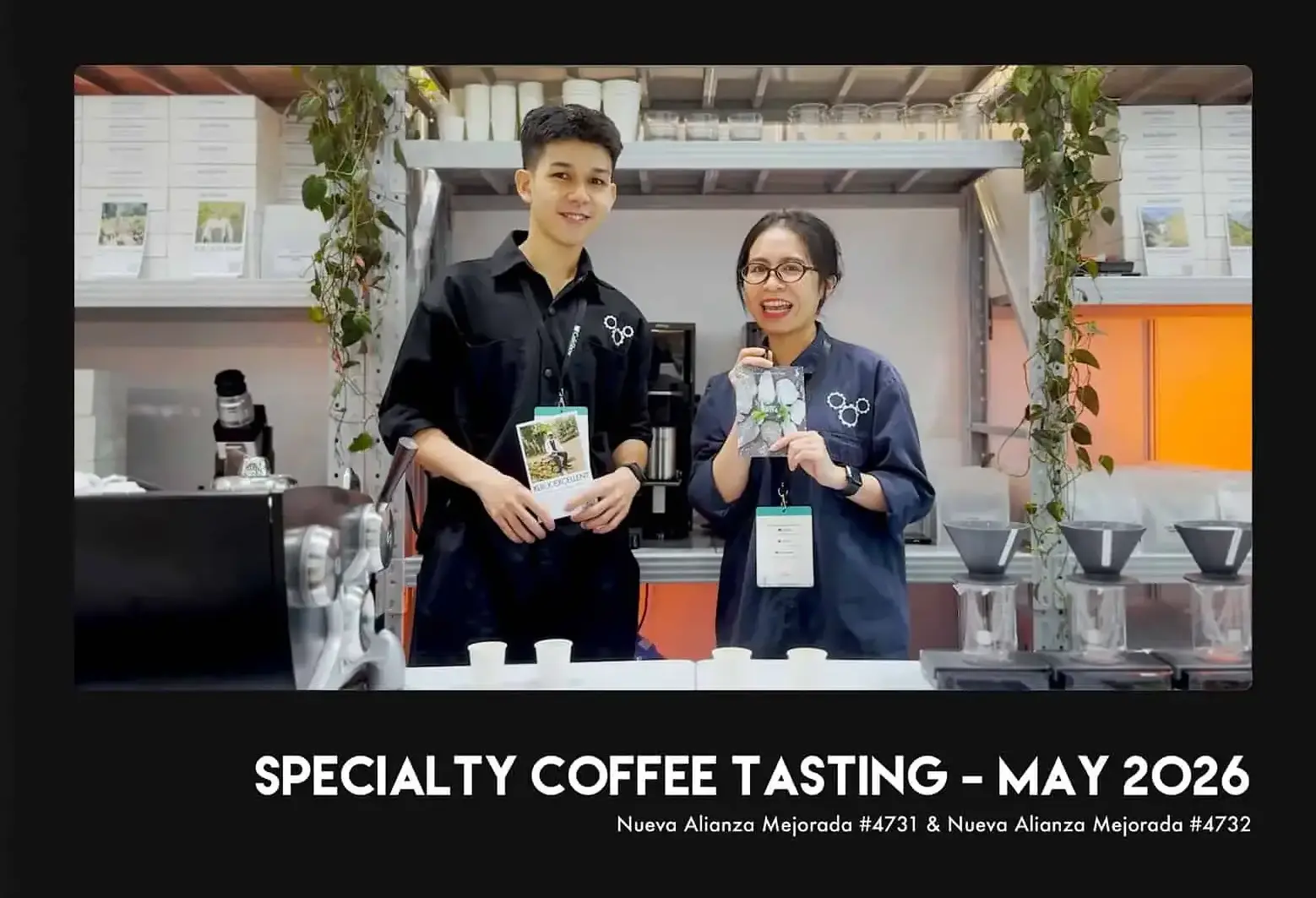
Unveiling May Discovery Subscription: Nueva Alianza Mejorada #4731 & Nueva Alianza Mejorada #4732
The Discovery Subscription is a silent dialogue, a place where the soul of the connoisseur finds a harmonious beat with distant lands. Like a transparent lens, we become storytellers, meticulously peeling back layers of cultural sediment, the breath of the soil, and the human philosophies hidden within every coffee bean.
May arrives with brilliant streaks of golden sunlight, a time when we long to hide beneath the lush, dew-drenched canopies of Santa Teresa. Amidst the silence of the Andes, when compassion touches Mother Earth, what will we hear? Perhaps it is a sweet response that nature reserves solely for souls who know how to wait patiently.

- Taste the Origin
Nueva Alianza Pacamara #4733 – The essence of Cusco with elegant jasmine notes
Nueva Alianza Pacamara #4733 is a testament to the miraculous terroir and dedicated cultivation of the renowned Cusco region. The combination of the characteristic Pacamara bean size and ideal altitude has forged a flavor profile of immense sophistication and depth. From the very first moment, this lot captivates with its elegant jasmine notes, radiating a gentle, pure fragrance akin to a flower blooming in the morning dew.

- Taste the Origin
Nueva Alianza Orange Gesha #4737 – An expedition of recessive genetic traits into the sensory realm
In a world of authenticity, Nueva Alianza Orange Gesha #4737 represents the proud emergence of rare biological traits often obscured by nature’s universality. Carrying a recessive genetic code, Lot #4737 embarks on an “expedition” into the connoisseur’s mind, where record-breaking fructose concentrations are released to perfectly fill every sensory gap with absolute smoothness and purity.
Through washed processing and extremely-light roasting, vibrant citrus nuances and ethereal floral notes, once hidden deep within the genetic structure, now manifest with power, transforming the tasting experience into a journey of ontological completion, where the rarity of recessive genes finally reigns supreme in flavor.

- Taste the Origin
Nueva Alianza Maragogipe #4735 – The “Giant” at the center of attention
Amidst a world of countless specialty coffee beans, Nueva Alianza Maragogipe #4735 emerges as a symbol of grandeur, instantly commanding attention with its distinct appearance. Affectionately dubbed the “Giant” for its impressively mutated “Elephant Bean” size, lot #4735 from Nueva Alianza stands as a testament to nature’s wonders in the Cusco region. Yet, its true allure extends far beyond its imposing exterior; hidden within these colossal beans lies a gentle “soul” blooming with pure floral and crystalline fruit notes.

Specialty Coffee in Vietnam
BRAND VALUE
YOU SHOULD HAVE KNOWN
XLIII Coffee has been aiming to become a big, impactful company with social responsibilities,
have access to high-quality raw materials and convey the complete original values of coffee to our customer
