
Overview of the Specialty Coffee Industry’s Operational Model
To achieve and maintain the highest quality standards, the global specialty coffee industry follows a unique, multi-layered model, involving specialized entities. Each entity plays a distinct role in ensuring the coffee’s quality from farm to cup. So, what does this operational model look like?
I. Production Entities
Within the specialty coffee value chain, the production stage forms the foundation, accounting for about 60% of the final product quality. This is where the core flavors and quality of coffee develop through cultivation, care, and harvesting.
Integrated Estates
The estate model is the most advanced type of coffee farm in the specialty coffee industry. An estate manages all stages of production and processing on-site. For instance, the Daterra Coffee Estate in Brazil, covering 6,600 hectares, is a pioneer in using modern technology and advanced production methods, earning Rainforest Alliance certification since 2003 and consistently achieving scores above 90 for many of its specialty batches.
Facilities:
- Cultivation areas typically exceeding 50 hectares
- On-site wet processing and integrated systems
- Internal logistics and storage systems
Quality Control:
- Total Quality Management systems
- Complete oversight from plant genetics to the finished product
- Tasting and quality control labs
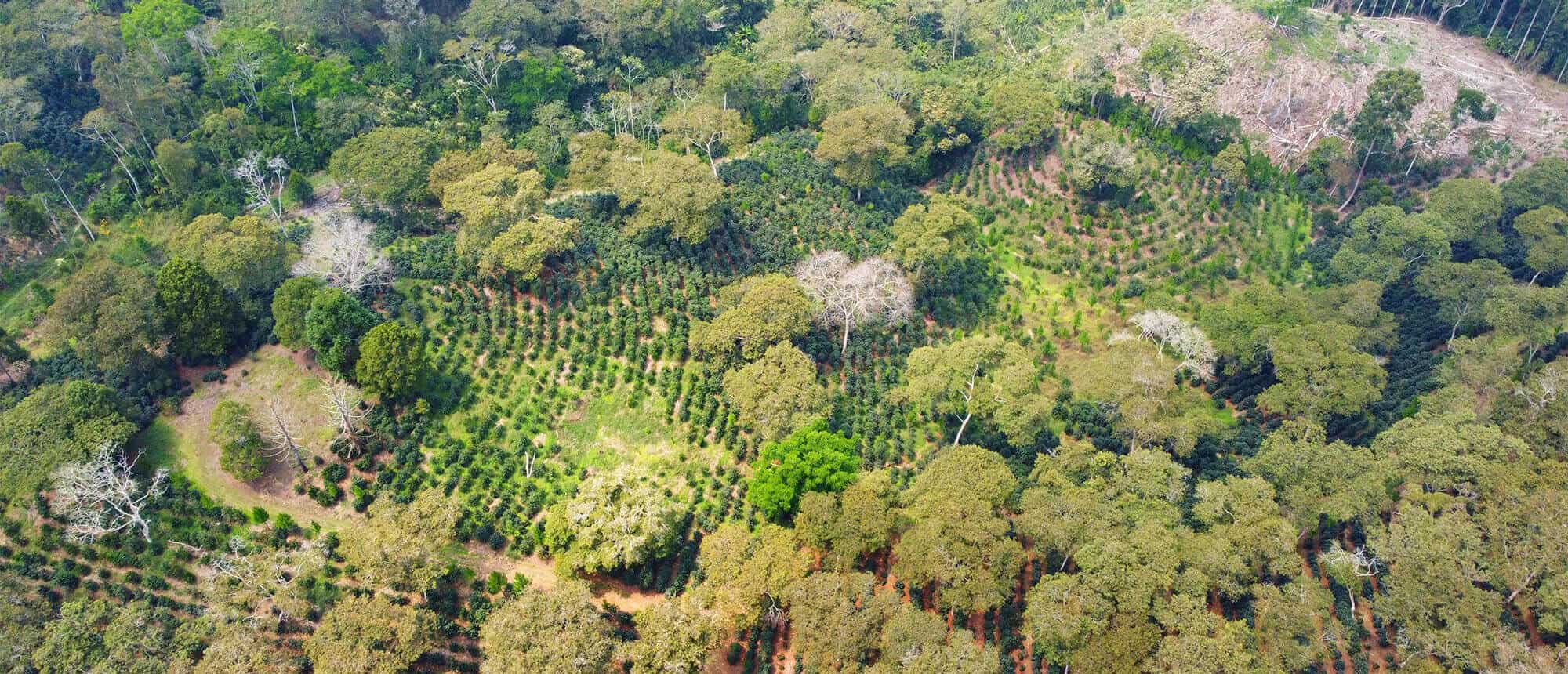
A notable example is Finca Rosenheim in Peru, a 40-hectare farm located in the dense forests of Selva Central. At an altitude of over 1,600 meters, Rosenheim Estate is known for producing unique varieties like Gesha, Catimor, Caturra, and Typica.
Large-Scale Farms
Unlike estates, large-scale farms focus intensely on production.
Organization:
- Ranges from 10 to 50 hectares
- Operated as agricultural enterprises with professional management teams
Farming Techniques:
- Use of precision agriculture technology
- Data-driven tracking of cultivation
- Optimized care and harvesting processes
Smallholder Farms
Smallholder communities represent a traditional and common production model within the specialty coffee industry. These are groups of small farms within the same geographical area, each contributing unique flavors rooted in local natural conditions and cultivation practices.
Characteristics:
- Small cultivation areas, typically under 5 hectares
- Traditional farming methods
- Close attention to individual plants
- Techniques passed down through generations
Community Nature:
- Shared geography and climate
- Common agricultural practices
- Distinct regional flavor profiles

La Joya is a small coffee farm in Honduras, owned by Yermy Pedraza, who was an early partner of XLIII Coffee. Situated at an altitude of 1,950 meters above sea level in the town of Chachagui, Nariño, this farm is where the Pedraza family resides and cultivates specialty coffee varieties such as Castillo, Caturra, and Typica.
An example is the Yirgacheffe farmer community in Ethiopia, where traditional farming and harvesting methods create globally recognized flavor profiles, known for floral and tropical fruit notes. Similarly, farmers in Huila, Colombia, blend local geography with traditional methods, producing coffees that regularly score above 90 on the Cup of Excellence scale.
II. Processing Entities
The processing stage is critical in the specialty coffee value chain, as it can significantly elevate or diminish the quality of coffee beans. Research by World Coffee shows that processing can affect up to 30% of a coffee’s final score.
Collection Centers
Collection centers serve as the initial bridge between farmers and the processing chain. These centers are responsible for gathering, conducting a preliminary sort, and transporting coffee beans from the growing regions to dedicated processing units. By working directly with local farmers, collection centers can secure a steady supply of high-quality beans and establish lasting relationships within the farming community.
Core Functions of Collection Centers:
- Building direct purchasing networks with farmers
- Conducting preliminary sorting and quality control at the collection point
- Managing transportation logistics to ensure beans reach processing units promptly
- Maintaining sustainable partnerships with local farming communities to support quality growth over time
Washing Stations/Wet Mills
Washing stations, or wet mills, specialize in wet processing, a method that is pivotal in determining the final flavor profile of specialty coffee. This stage involves precise control of fermentation and washing processes, which help develop and highlight distinct flavor characteristics unique to each coffee origin. Washing stations often work closely with local farmers to ensure optimal processing conditions.
Primary Stages at Washing Stations:
- Sorting: Cherries are sorted based on ripeness and quality, with only the finest selected for processing.
- Fermentation Control: Fermentation is closely monitored with specific temperature and duration settings to bring out the best flavors.
- Water Quality Management: High standards for water quality are maintained, and waste is treated responsibly to protect local environments.
- Time Control: Each phase in the processing is meticulously timed, as the length of each step can greatly impact the final coffee profile.

A notable example is the Neja Fadil washing station in Guji, Ethiopia. Established in 2017, it collaborates with around 250 farmers in the Tobitu Tuta village. Through combining Guji’s unique environmental conditions with a rigorous, standardized processing method, Neja Fadil produces batches known for their distinctive, rich flavor characteristics that appeal to coffee connoisseurs worldwide.
Dry Processing Stations
Following wet processing, dry processing stations play an essential role in stabilizing and preserving coffee quality. These stations carry out drying, sorting, and storage procedures that ensure beans are well-prepared for export. Modern dry processing facilities often use advanced techniques to safeguard flavor and maintain consistent quality.
Key Techniques at Dry Processing Stations:
- Drying and Moisture Control: Beans are carefully dried to maintain an ideal moisture level, preserving their flavor and longevity.
- Sorting by Size and Quality: Coffee beans are meticulously sorted, ensuring uniformity for a refined final product.
- Optimized Storage Conditions: Beans are stored under optimal conditions to prevent degradation, keeping them fresh for export.
For example, Gisheke Station in Rwanda incorporates unique regional characteristics in its process, creating a final product with natural sweetness and a clean, lingering finish. Gisheke has managed to integrate traditional Rwandan cultural practices within its modern facility, producing coffee that not only meets but often exceeds international specialty coffee standards.
Mill Station
Mill Stations, or hulling mills, are the final step in the coffee processing chain before the beans are ready for export. This stage is where coffee beans undergo finishing touches to meet international trade standards. Mill stations are equipped with advanced machinery to hull, sort, and pack beans, ensuring that the final product meets the strict quality requirements of specialty coffee markets worldwide.
Key Processes at Mill Stations:
- Hulling: The outer husk or parchment layer is removed with high precision, ensuring that beans are not damaged during the process.
- Grading and Sorting: Beans are graded based on size, weight, and appearance to meet the specific standards of specialty coffee exports.
- Final Quality Check: A last inspection of the beans ensures only the highest quality product is packed for export.
- Professional Packing and Storage: Beans are packed using industry-standard techniques to prevent contamination and are stored under optimal conditions until they are ready for shipment.

For instance, Muburi Mill Station in Kenya, established in 1964, serves four nearby villages and is part of the Rwama Coffee Farmers’ Cooperative, which includes 1,200 members. Muburi has gained international recognition for the quality of its specialty coffee, selling at an export price of $11.55 per kilogram. Their coffees are known for unique notes of cranberry, blackcurrant, and kiwi, which are characteristic of Kenya’s unique terroir and processing methods.
III. Organizational Units
Organizational units are central to connecting and coordinating activities across the coffee value chain, promoting efficiency and sustainable growth.
Producer Cooperatives
Cooperatives are essential community-based structures in the specialty coffee industry, especially in traditional production regions. By bringing together small farms, cooperatives create collective power and strengthen market position.
Key Functions:
- Organized, standardized production
- Shared resources and facilities
- Technical training for members
- Enhanced market negotiation capabilities
The Layo Toraga Cooperative in Guji, Ethiopia, with over 1,800 members, exemplifies the cooperative model. Through high-altitude farming and stringent production processes, the cooperative exports high-quality coffee at competitive prices.
Importers & Exporters
Importers and exporters connect supply markets with the global specialty coffee market, facilitating value chain development.
Primary Roles:
- Building and maintaining global partnerships
- Setting and enforcing quality standards
- Developing support programs for suppliers
- Ensuring transparency across the supply chain

An example is Crop to Cup, an importer based in Brooklyn, New York, which has established a unique system focused on quality and direct farmer relationships.
Industry Association
Industry associations within the specialty coffee sector serve as guiding bodies that bring together all stakeholders to set standards, develop policies, and implement strategies for the industry’s growth. They are crucial in establishing and updating industry standards, promoting best practices, and ensuring that the specialty coffee industry maintains its commitment to quality and sustainability.
Core Responsibilities of Industry Associations:
- Create and maintain quality and ethical standards that all members must adhere to, which ensures consistency and integrity across the industry.
- Organize training programs and workshops to help industry professionals stay updated with the latest techniques and knowledge.
- Associations often fund or support research that leads to improvements in coffee cultivation, processing, and sustainability practices.
- Represent the collective voice of the industry, lobbying for favorable policies and creating awareness about the unique values of specialty coffee.
For example, the Specialty Coffee Association (SCA) is a well-known industry association that has been instrumental in setting international standards for coffee quality, including cupping protocols and certifications for baristas, Q-graders, and other professionals. The SCA’s efforts in research and professional development have played a pivotal role in enhancing the global reputation and appeal of specialty coffee.
Trading House
Trading houses in the specialty coffee industry are specialized entities focused on facilitating and optimizing the international trade of specialty coffee. They act as brokers and consultants, helping producers reach global markets and providing valuable market insights to enhance trade practices.
Primary Roles of Trading Houses:
- International Brokerage and Consulting: Trading houses connect coffee producers with buyers around the world, ensuring smooth transactions and fair trade practices.
- Risk Management Tools: They develop financial tools, such as futures contracts, to help coffee producers manage price volatility and other market risks.
- Market Information and Analysis: By providing up-to-date market information and trends, trading houses help producers make informed decisions about pricing and production.
- Support for Specialty Transactions: Trading houses facilitate complex transactions for high-quality coffees, ensuring that specialty coffee producers can reach niche markets willing to pay premium prices.

For instance, Crop to Cup Coffee Importers is a trading house based in Brooklyn, New York, which is known for its focus on quality and direct relationships with farmers. Founded in 2007, the company has developed a unique approach to sourcing coffee that emphasizes transparency, quality, and ethical partnerships. By working closely with farmers, Crop to Cup not only sources high-quality beans but also supports long-term sustainability and growth in coffee-producing communities.
IV. Service Providers
Service providers are positioned at the end of the specialty coffee value chain, converting quality efforts from previous stages into a final consumer experience.
Roasters
Roasters transform raw coffee beans into a final product, playing a crucial role in developing flavor profiles and determining product quality.
Primary Functions:
- Developing roast profiles for each coffee variety
- Quality control during roasting
- Product research and development
Q-Grader/Tasting Specialists
Certified Q-Graders are experts in evaluating and scoring coffee according to international standards. Their role is essential in quality assurance.
Baristas
Baristas are skilled artisans in preparing and serving coffee, embodying the values of specialty coffee for consumers. A barista’s role extends beyond making coffee—they act as brand ambassadors, telling the story and sharing the value of each product.
Professional Requirements:
- Diverse, advanced brewing techniques
- Comprehensive product knowledge
- Customer interaction skills

At XLIII Coffee, baristas not only make drinks but also act as brand ambassadors, conveying the story and value of each product.
Training Units
Training units are essential for developing high-quality human resources in the specialty coffee sector. They offer training programs across various areas, equipping individuals with the skills needed to maintain industry standards and contribute to the growth of specialty coffee.
Core Training Areas:
- Practical training in advanced and sustainable coffee-growing and processing methods to enhance crop quality.
- Courses on cupping and quality scoring to help professionals evaluate beans according to international standards.
- Instruction in various brewing methods, equipping baristas and roasters with the skills to highlight each coffee’s unique flavors.
- Training in specialty supply chain logistics, focusing on the efficient and sustainable management of resources.
For example, organizations such as the Specialty Coffee Association (SCA) provide training programs for Q-Graders, baristas, roasters, and other professionals. These programs help ensure a consistent standard of quality across the industry.
Logistics Providers
Logistics providers in the specialty coffee sector specialize in handling, transporting, and storing coffee in optimal conditions. This stage is crucial for preserving the product’s quality during transportation, particularly over long distances.
Specialized Requirements for Logistics Providers:
- Maintaining stable environmental conditions to prevent flavor degradation.
- Implementing technology to monitor shipments in real-time, ensuring security and transparency throughout the journey.
- Special protocols for transporting high-quality batches to protect the beans’ integrity.
- Efficient logistics management to reduce transit time, ensuring beans reach destinations at peak freshness.
Supply Chain Managers
Supply chain managers coordinate the movement of coffee through each stage, from raw materials to the final retail point. Their role ensures seamless integration across the system, making the supply chain both efficient and sustainable.
Core Responsibilities of Supply Chain Managers:
- Coordinating logistics to ensure efficient use of resources, reducing delays and costs.
- Implementing systems to track coffee from origin to retail, maintaining transparency and consumer trust.
- Ensuring that each step in the supply chain aligns with overall quality and efficiency standards.
- Managing risk factors to maintain a steady, reliable flow of high-quality coffee, even in challenging market conditions.

The service units in the Specialty Coffee industry operate as an integrated system, where each component contributes to enhancing the value and ultimate experience of the product. The close coordination between these units not only ensures product quality but also contributes to the sustainable development of the entire industry.
In summary
The operational model of the specialty coffee industry is a complex system with the participation of many specialized units. From production to service, each part has a distinct role in creating the product’s final value. Close coordination and a strong commitment to quality among these units are key to the industry’s success. Understanding each unit’s role and relationships helps stakeholders get a comprehensive view and set suitable development directions in the specialty coffee sector.
Images in the article were collected by XLIII Coffee.
V. Related Questions
Why is the Estate model considered the most advanced production model in the specialty coffee industry?
The estate model is a fully integrated approach that manages all stages from production to initial processing, enabling complete control over the entire process and product quality. With large cultivation areas (often over 50 hectares), estates utilize modern technology and comprehensive management systems, allowing them to consistently maintain high quality and stability in their coffee production.
How does the processing stage affect the quality of specialty coffee?
According to research by World Coffee Research, the processing stage can impact up to 30% of the coffee’s final score. This process involves critical steps such as cherry sorting, fermentation control, drying, and finishing, each of which can either enhance or diminish the quality of the coffee beans significantly.
What role do cooperatives play in the specialty coffee value chain?
Cooperatives unite and organize small-scale farms into a cohesive group, creating collective bargaining power. They support members by sharing resources, transferring techniques, ensuring consistent quality, and strengthening market access. This not only increases the value of their product but also contributes to sustainable growth for farming communities.
What differentiates the specialty coffee supply chain from traditional commercial coffee?
The specialty coffee supply chain places a strong emphasis on transparency and traceability. Each stage, from farm to cup, is carefully monitored, with specialized entities involved throughout. The requirements for storage, transportation, and handling are much stricter to ensure the unique quality of the product is preserved.
Why are baristas considered artisans in the specialty coffee industry?
Baristas in the specialty coffee industry do more than just prepare coffee—they serve as brand ambassadors, conveying the story and value of each product. They must have in-depth knowledge of coffee, diverse brewing techniques, and the ability to create a unique experience for customers. Their role is to transform all the quality efforts from previous stages into the perfect final experience for the consumer.

Bài viết mới

- Taste the Origin
Finca La Palestina Red Bourbon #5487 – A blossoming legacy in the highlands of Cajamarca
Amidst the ethereal clouds of Cajamarca, where the deep forest, Mother Earth, and time harmonize, Finca La Palestina Red Bourbon #5487 is born as a proud epic of heritage. It bears witness to the story of three generations of the Alarcón Coronel family, to their respect for nature, and to their Cup of Excellence achievements. Each layer of fragrance is a journey for all the senses, leading the connoisseur into subtle and captivating depths.

- Breaking News
Royal Botanic Gardens, Kew announces new hybrid coffee named Libex
As the global coffee industry faces unprecedented challenges from climate change, the Royal Botanic Gardens, Kew (UK) has brought a ray of hope by formally announcing a natural hybrid coffee named Libex. Identified after intensive genetic research across three continents, Libex represents a perfect intersection between the resilient heat tolerance of Liberica and the robust agronomic vigor of Excelsa.

- Find the Origin
Mejorado Coffee Variety – The Perfect Blend of Bourbon & SLN Hybrid Lineage
Originating from the windswept hillsides of the South American highlands, the Mejorado coffee variety tells the story of a genetic masterpiece that is redefining the boundaries of the contemporary Specialty Coffee world. Behind a easily misunderstood name lies a completely distinct alter ego, where the sweet heritage of the Bourbon variety intertwines with the resilient vitality of the SLN hybrid lineage. Thanks to a profound slow-ripening process in the chill of extreme altitudes, this seed nurtures a magnificent flavor profile with ethereal floral and fruit notes, stepping onto the altars of global competitions to assert its status as a future icon, ready to stir the most discerning senses.
- Taste the Origin
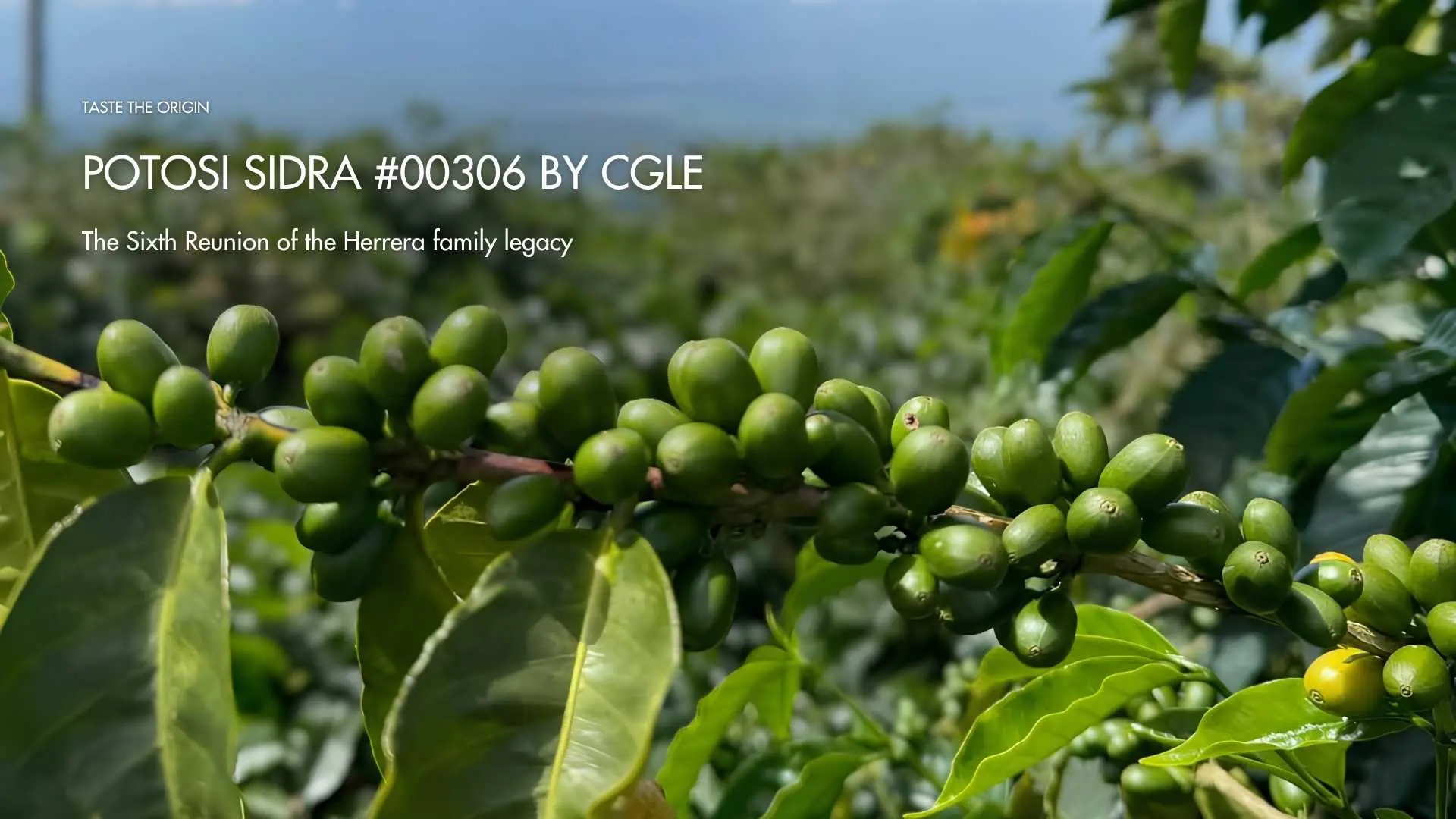
Potosi Sidra #00306 – The sixth reunion of the Herrera family legacy
The sixth harvest marks the return of Potosi Sidra #00306 by CGLE, carrying the presence of a family patriarch entrusted with more than eighty years of heritage from the Herrera family. Cultivated in the founding valley of Potosi since 1945 in Caicedonia, this genetic treasure born from the union of Bourbon and Typica presents a remarkably evolved sensory profile. Through its Extremely Light Roast philosophy and the financial transparency of the Paid for Producer model, XLIII Coffee chooses to preserve the authentic voice of terroir and the coffee’s original flavor structure.
- Taste the Origin
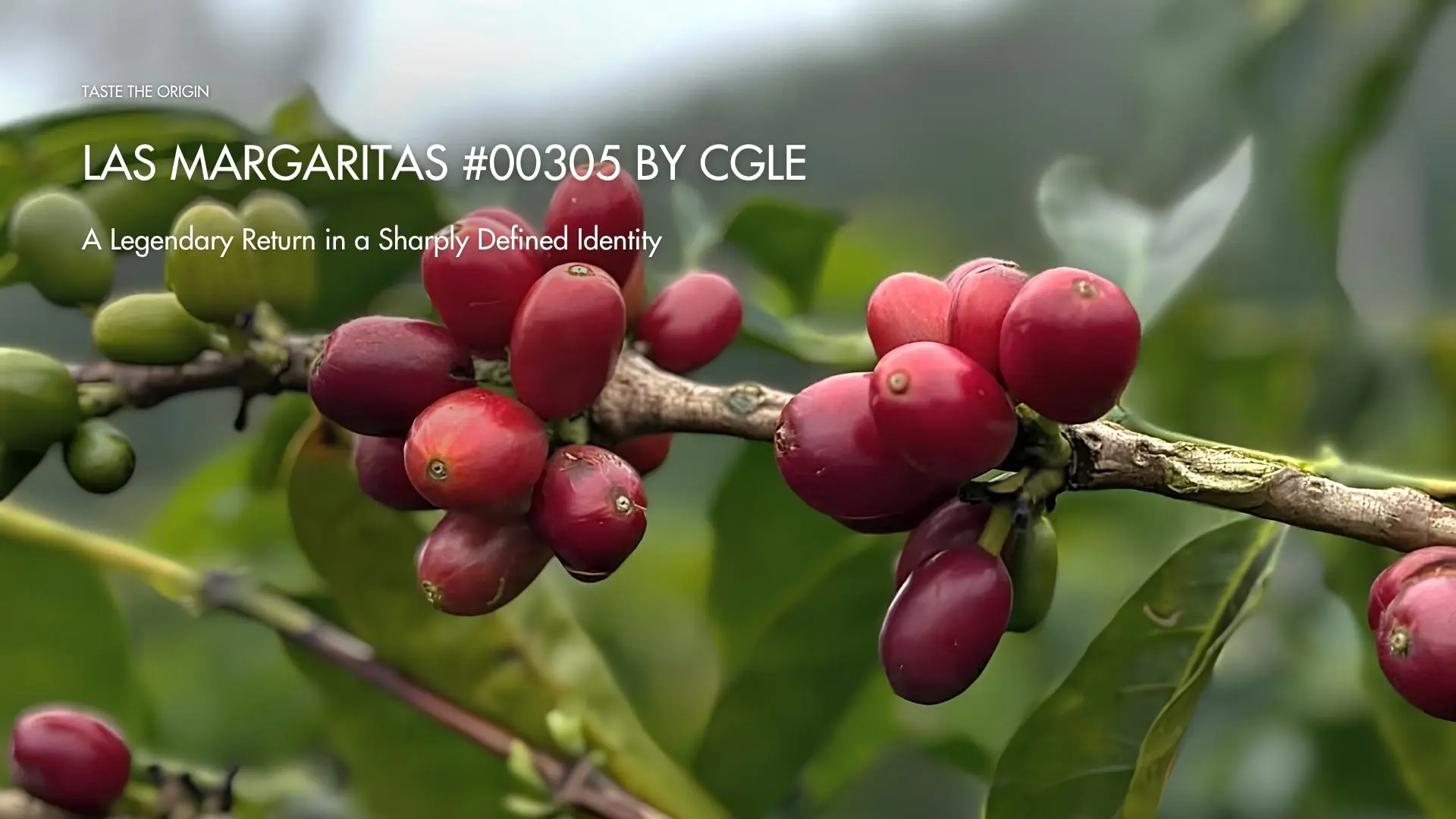
Las Margaritas #00305 by CGLE – A Legend Reunited in a Sharper Identity
Las Margaritas #00305 by CGLE returns to XLIII Coffee as a Gesha masterpiece reborn from the renowned Valle del Cauca region. Infused with the exquisite craftsmanship of Café Granja La Esperanza, this rare batch of coffee embarks on an enchanting flavor journey with vibrant citrus notes, delicate jasmine, and an elegant, lingering Earl Grey finish. Each drop is a crystallization of fertile volcanic soil and the sustainable farming philosophy that CGLE has persistently pursued for decades, creating a full-bodied, sharp flavor profile while retaining the pristine beauty characteristic of the royal Gesha variety.

- Taste the Origin
Finca Rosenheim Typica & Caturra – The Crossroads of Cultural Currents
Across the tides of world history, Finca Rosenheim Typica & Caturra emerges as a living testament hidden within the vast wilderness of Villa Rica. Here, the ancient lineage of the legendary Typica variety converges with the purity of the Washed process and the artistry of shade grown cultivation, weaving together delicate layers of Milk Chocolate, Nougat, and Purple Floral. Together, they create a profound resonance between resilient European heritage and the soul of the native Andes.

Specialty Coffee in Vietnam
BRAND VALUE
YOU SHOULD HAVE KNOWN
XLIII Coffee has been aiming to become a big, impactful company with social responsibilities,
have access to high-quality raw materials and convey the complete original values of coffee to our customer
