
Hemavathi Coffee Variety Emerges as a Solution for High Yield
Discover Hemavathi Coffee Variety – a hybrid Arabica with strong resistance to coffee leaf rust, high yield, and excellent adaptability to cultivation conditions across Asia.
I. What is the Hemavathi Coffee Variety?
In the ever-evolving landscape of global coffee, India has quietly yet steadily carved its own legacy – not only through consistent production volumes but also through the development of unique, locally adapted varieties. Among them, Hemavathi stands out as a hybrid Arabica variety widely recognized for its ecological adaptability, disease resistance, and quality potential within the specialty segment.
Definition of Hemavathi Coffee Variety
Hemavathi is a hybrid Arabica coffee variety, classified as semi-dwarf, developed with the goal of improving resistance to coffee leaf rust – a serious threat to Arabica crops globally.
Origin and Breeding Background
The Hemavathi variety was developed after years of research by the Central Coffee Research Institute (CCRI) under India’s Coffee Board. It is a result of selective breeding between elite lines including Villa Sarchi, and Hybrido de Timor.
Villa Sarchi contributes pure Arabica genetics with bright cup quality, while Hybrido de Timor – a natural cross between Arabica and Robusta – is prized for its inherent rust resistance. The combination was intended not only to boost yield and resilience but also to retain desirable flavor profiles, making it suitable for both commercial and specialty markets.
Development and Practical Applications

Since its successful development, Hemavathi has been trialed in major estates such as Hemavathi Estate in Niduvale, Chikmagalur.
Here, it is cultivated at altitudes of 1,000-1,350m under organic conditions, hand-harvested, and processed using the washed method. Coffees from this estate are known for their smooth profile, with tasting notes of milk chocolate, hazelnut, and light caramel – ideal for espresso and machine brewing.
Pioneering farms such as Ratnagiri Estate have experimented further, applying wild yeast fermentation to the Hemavathi variety. This has produced complex cup profiles featuring notes of black cherry, dried plum, light wine, and herbs – demonstrating the variety’s full potential when cultivated and processed meticulously.
Today, Hemavathi is considered one of the most promising native Arabica varieties in India, with strong potential for climate resilience, disease resistance, and a key role in shaping India’s future in the specialty coffee sector.
II. Botanical Characteristics of the Hemavathi Coffee Variety
About genetic origin,
Hemavathi is a hybrid Arabica variety closely related to Chandragiri, itself a cross between Villa Sarchi and Hybrido de Timor. This genetic makeup enables Hemavathi to retain the sensory qualities of traditional Arabica while benefiting from the disease resistance, vigor, and genetic stability of a hybrid.
These traits are especially valuable in today’s global coffee landscape, which is increasingly challenged by disease outbreaks, climate change, and the demand for sustainable production.
About morphology,
The Hemavathi coffee plant is characterized by a well-balanced structure with broad, dark green leaves and strong, flexible branches. The canopy is evenly distributed, reflecting the plant’s vigorous growth. Its extensive root system enhances nutrient uptake and drought tolerance, contributing to healthy plant development and resilience.

Its thick, upright trunk makes it more wind-resistant and suitable for intercropping on hilly or forested terrain.
About adaptability,
Hemavathi demonstrates remarkable adaptability across diverse agro-ecological zones in India, especially in mid-altitude regions ranging from 900 to 1.300 meters above sea level, such as Chikmagalur, Coorg (Karnataka), and Nilgiris (Tamil Nadu).
It thrives in high humidity and extended monsoon seasons, making it ideal for India’s tropical monsoon climate. It also performs well under shade-grown systems, which preserve biodiversity and reduce climate stress. Furthermore, its strong rust resistance and tolerance to diurnal temperature variation help ensure stable yields and consistent quality, even under unpredictable weather conditions.
About fruit and bean characteristics,
Hemavathi has a relatively long fruit development cycle, allowing more time for the bean to accumulate sugars, organic acids, and solids resulting in larger, denser beans that often qualify for the AA grade. The beans are hard, heavy, and have a thin parchment layer, which enhances roasting efficiency and flavor retention.
When processed properly, Hemavathi beans yield a cup with a rich body, pronounced sweetness, mild citrus-like acidity, and a clean, lingering finish. This profile is highly appreciated in specialty coffee markets in Japan, Europe, and South Korea.

One of Hemavathi’s standout features is its large, plump cherries and high uniformity in ripening, which significantly improves harvesting efficiency and quality.
About yield performance,
Hemavathi is known for its stable and high yield compared to other native Arabica varieties. Under optimal conditions, it can produce between 1,800-2,200 kg of green beans per hectare annually and potentially more when advanced agronomic practices and scientific intercropping systems are applied.
Its strong disease resistance reduces crop losses and pesticide costs, improving profitability and making it an attractive choice for small to mid-sized farms aiming to shift toward quality-focused production systems.
III. Growing Conditions and Harvesting Process of the Hemavathi Coffee Variety
Growing Conditions
Hemavathi thrives best under shade-grown systems – an agricultural model widely practiced in India’s traditional coffee-growing regions. This variety performs exceptionally well in areas with extended rainy seasons (from June to November), annual rainfall between 1,600 and 2,200 mm, and fertile, well-drained basaltic or red loamy soils rich in organic matter. Its high shade tolerance minimizes light stress while promoting a healthy, sustainable ecosystem.
Farmers often intercrop Hemavathi with pepper, vanilla, or cacao. This not only diversifies income streams but also enhances the flavor complexity of the coffee through beneficial soil chemistry interactions. The variety is well-suited to organic or semi-organic farming practices, which are gaining popularity due to increasing demand for traceability and sustainable coffee production.
Harvesting Process
The primary harvest season for Hemavathi runs from December to February, when the cherries ripen to a deep red color – an indicator of optimal maturity.

Because Hemavathi ripens unevenly, hand-picking is essential, especially for specialty producers, to ensure only fully ripe cherries are selected and cup quality is preserved.
After harvest, Hemavathi is most commonly processed using the washed (wet) method. Thanks to its dense structure, thick skin, and high solid content, the beans respond particularly well to this method, preserving clarity and enhancing flavor expression in the final cup.
IV. Flavor Potential of the Hemavathi Variety in the Specialty Coffee Market
What makes the Hemavathi variety especially remarkable is its ability to express a rich and layered flavor profile when cultivated and processed with care – meeting the stringent standards of the global specialty coffee market.
Cupping results from leading estates such as Hemavathi Estate and Ratnagiri Estate consistently reveal a well-rounded body, mild sweetness, balanced acidity, and a clean, lingering finish. Notable flavor notes include caramel, milk chocolate, dried fruit, black plum, and ripe cherry.
This complexity stems from its unique genetic lineage – blending the refined sensory attributes of Villa Sarchi with the resilience of Hybrido de Timor – combined with ideal growing conditions: high altitudes, native forest shade, volcanic soils, and a stable climate. Additionally, meticulous post-harvest processing methods, such as wild yeast fermentation, further highlight the variety’s clarity, brightness, and balance in the cup.
As the specialty coffee industry places growing emphasis on traceability, regional identity, and ecological sustainability, Hemavathi holds strong potential to emerge as a flagship Arabica variety representing India’s coffee excellence on the world stage.
Conclusion
At a time when the world is seeking resilient coffee varieties – those that can withstand the pressures of climate change while preserving quality in every cup – Hemavathi shines as a remarkable phenomenon.
Source: Image collected by XLIII Coffee.
V. FAQs
1. What morphological traits distinguish Hemavathi from other Arabica varieties?
Hemavathi is easily identifiable by its semi-dwarf stature, compact canopy, and dense branching, which allows for optimized planting density. Its dark green, slightly glossy leaves have smoother edges compared to varieties like S795. It also exhibits uniform fruit setting, with thick clusters evenly distributed across branches – an indicator of high yield and ease of harvest.
2. What does the name “Hemavathi” signify in local culture?
The name “Hemavathi” is derived from the Hemavathi River, which flows through prominent coffee-growing regions such as Chikmagalur and Hassan in Karnataka. In local culture, the river symbolizes fertility, prosperity, and life-giving sustenance. Naming this coffee variety after the river reflects a deep connection to the land and a tribute to the natural abundance that nurtures these coffee trees.
3. What was the context behind the development of the Hemavathi variety in India?
Hemavathi was developed in response to challenges facing India’s coffee sector especially climate change, pests, and the growing demand for consistent quality. As a hybrid Arabica bred by India’s Central Coffee Research Institute, it combines high yield with strong resistance to coffee leaf rust, aligning with national goals to modernize and strengthen Indian coffee’s competitiveness globally.
4. Which Indian farms are currently producing high-quality Hemavathi coffee?
Notable producers include Hemavathi Estate (Chikmagalur), known for smooth chocolate and caramel notes in washed coffees; Ratnagiri Estate (Bababudangiri), which uses advanced fermentation techniques to produce flavors like cranberry, cacao, and cherry; and Kelachandra Estates, which focuses on meticulous quality control to meet international specialty standards.
5. Can Hemavathi become a representative specialty coffee of India?
Absolutely. Hemavathi shows tremendous potential to represent Indian specialty coffee on the global stage. When cultivated at high altitudes and processed with care, it delivers a clean, balanced cup with fruit and cacao notes. Pioneering estates like Ratnagiri and Kelachandra are already helping elevate Hemavathi’s status among international buyers and roasters.

Bài viết mới

- Find the Origin
Mandela coffee variety – A convergence of generations from a masterpiece breeding strategy
Amidst the constant fluctuations of the era, Mandela emerges as a gentle yet resilient response from the soil. Instead of attempting to alter or impose upon nature, this breeding strategy is, in essence, a profound act of listening. Each Mandela coffee bean carries the bloodline of multiple generations, possessing both the serene, steadfast nature of native trees and the sparkling elegance of premium varieties. It is a sacred continuation, where the flow of generations ultimate honors the original value of the species, imparting an intact and sustainable vitality into every cup.


- Taste the Origin
Nigussie Nare – Murago Outgrowers #03028: Cultivated from the Values of Sustainable Reciprocity
Nestled beneath the shade trees of Sidama, Bensa, the Nigussie Nare – Murago Outgrowers #03028 coffee lot serves as a living testament to the values of sustainable reciprocity. This symbiosis begins with the intimate bond between a rich indigenous ecosystem and the smallholder farmers of the Murago region. Each harvested bean is the culmination of a virtuous cycle: a stable environment produces exceptional bean quality, and sustainable economic growth, in turn, continues to protect the verdant canopy of the great forest.

- Taste the Origin
Rift Valley Coffee Caucus #03757 – A Testament to Western Kenya’s Collective Spirit
Turning our gaze to the Great Rift Valley of East Africa, the fertile volcanic landscapes are witnessing an inspiring transformation. Moving away from fierce, survival-driven competition, smallholder farmers in Western Kenya have chosen to join forces, forging a resilient and unified network. The Rift Valley Coffee Caucus #03757 lot stands as the ultimate testament to this remarkable collective synergy.

- Breaking News
Airworks Coffee & XLIII Coffee – A “handshake” that brings original flavors across borders
XLIII Coffee, alongside our key wholesale partner Airworks Coffee, officially announces the latest release of specialty coffee lots for the North American market. This event reaffirms our commitment to bringing original flavors across all geographical barriers to coffee enthusiasts.
Early access (for Subscribers of Airworks): 10:00 AM (PST) | Wednesday, April 29, 2026
General access: 10:00 AM (PST) | Friday, May 1, 2026
We invite our Customers and Partners to visit (airworkscoffee.com) for detailed information and to prepare for this special release!
- Taste the Origin
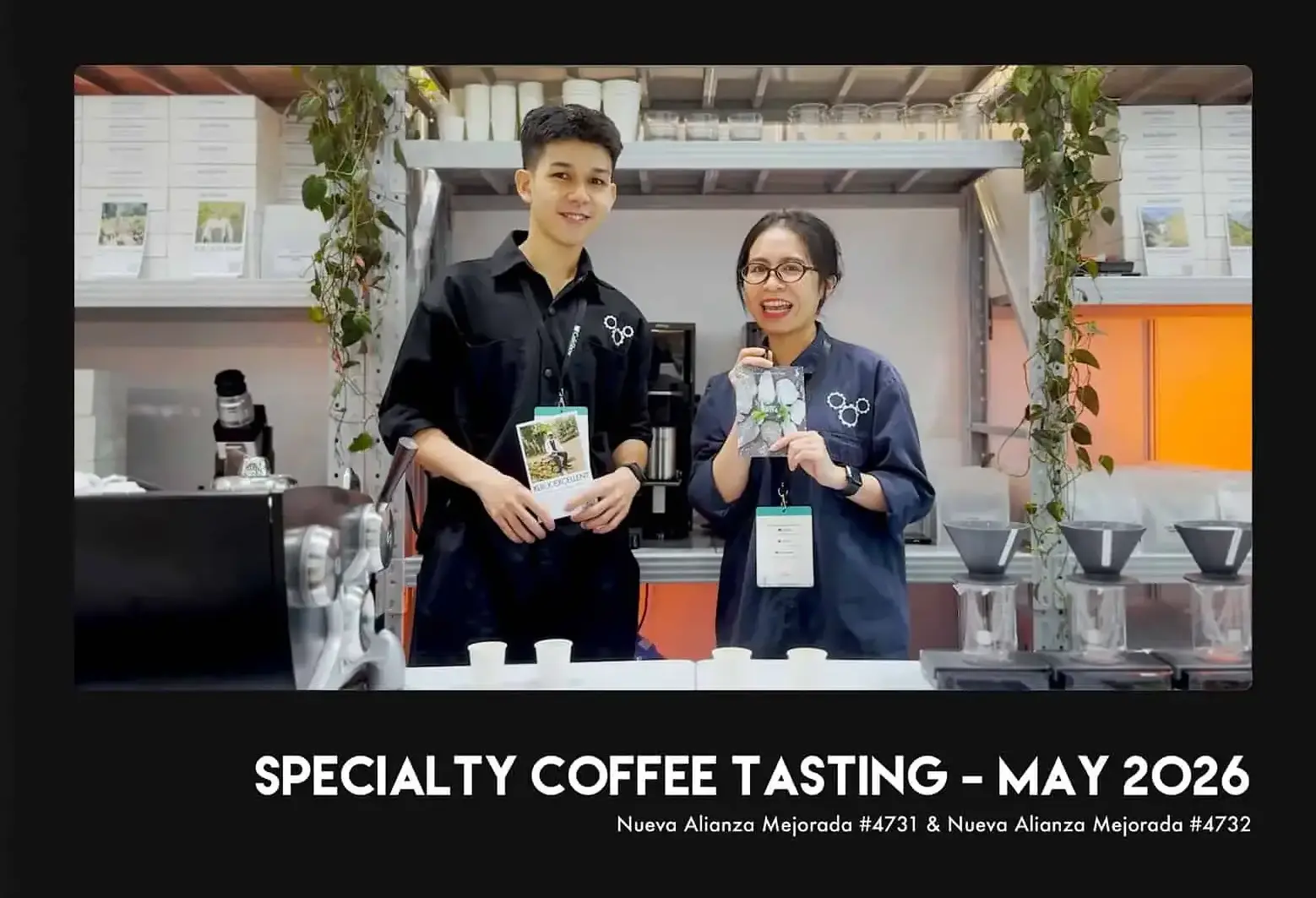
Unveiling May Discovery Subscription: Nueva Alianza Mejorada #4731 & Nueva Alianza Mejorada #4732
The Discovery Subscription is a silent dialogue, a place where the soul of the connoisseur finds a harmonious beat with distant lands. Like a transparent lens, we become storytellers, meticulously peeling back layers of cultural sediment, the breath of the soil, and the human philosophies hidden within every coffee bean.
May arrives with brilliant streaks of golden sunlight, a time when we long to hide beneath the lush, dew-drenched canopies of Santa Teresa. Amidst the silence of the Andes, when compassion touches Mother Earth, what will we hear? Perhaps it is a sweet response that nature reserves solely for souls who know how to wait patiently.

Specialty Coffee in Vietnam
BRAND VALUE
YOU SHOULD HAVE KNOWN
XLIII Coffee has been aiming to become a big, impactful company with social responsibilities,
have access to high-quality raw materials and convey the complete original values of coffee to our customer
