
How to enjoy Specialty coffee without missing its subtle notes?
Many people often confuse the concepts of drinking and enjoying Specialty Coffee. However, in the world filled with the aromas and flavors of specialty coffee, enjoying it requires more dedication and thorough preparation. In a fleeting moment, you might miss the fascinating transformation of its flavor notes.
The importance of professional Specialty coffee tasting
Originating from premium Arabica coffee beans grown at high altitudes, Specialty Coffee boasts rich layers of flavors and intriguing stories about its origins. It would be a pity not to explore the mysteries within each powerful coffee bean.
What is professional Specialty coffee tasting?
Tasting or enjoying any food is a way for people to appreciate the beauty, taste, and essence of a product to satisfy a part of their desires and preferences. When termed “professional,” the act of tasting becomes more specialized and objective.
Professional Specialty Coffee Tasting (Cupping) involves sampling and evaluating coffee according to a specific system. Through cupping, tasters (cuppers) can assess the quality and flavor of the coffee. Producers can use these results to adjust and improve their products.
Instead of simply drinking and judging whether it tastes good based on personal preferences, cupping analyzes the structure and characteristics of coffee beans and scores them according to industry-wide standardized scales.
 Professional Specialty Coffee tasting (Cupping) involves sampling and evaluating coffee according to a specific system.
Why professionalize the Specialty coffee tasting process?
Professional tasting of Specialty Coffee plays a crucial role in maintaining the quality of coffee beans. Cuppers continually strive to enhance their cupping skills to keep up with advancements in production, processing, and preparation methods.
Cupping enhances Specialty coffee quality
Through meticulous cupping, cuppers can clearly discern the characteristics of coffee beans, including acidity, sweetness, body, balance, and specific flavor notes. This allows them to determine whether Specialty Coffee has been grown in optimal conditions and processed correctly. Besides highlighting precious flavor notes, professional tasting also identifies defects in the coffee’s flavor to accurately evaluate its value.
This serves as both a measure and a motivation for producers to improve cultivation methods, apply suitable processing techniques, and enhance coffee quality.
Professional cupping ensures consistency
While professional Specialty Coffee tasting partly relies on the subjective techniques of the cupper, it does not mean that each expert is free to evaluate and score a coffee sample based on personal feelings. The process, standards, and scoring system are uniformly defined and applied consistently during cupping sessions. Experts also ensure that water quality, water temperature, roast characteristics, and grind size for samples are consistent within each cupping session.
Moreover, professional cupping emphasizes the expertise of the tasters. Cuppers must be experienced, regularly participate in tasting sessions, and pass certification rounds from the organization.
 Through meticulous cupping, the cupper can clearly discern the characteristics of coffee beans, including acidity, sweetness, body, balance, and identifying flavor notes present in the coffee.
Preparations for professional Specialty coffee cupping
Tasting flavors is an abstract concept that requires high sensory sensitivity. Therefore, cupping must be conducted in an environment that minimizes external influences on the tasting process.
Environment
The cupping environment should be clean, well-lit, and free from foreign odors.
First, before taking a sip of coffee, experts can observe the color and clarity of the coffee cup. Good lighting conditions provide the most accurate view for the cupper.
Specialty Coffee has diverse layers of subtle aromas that can be easily overshadowed if the tasting room has strong foreign smells. Therefore, a room free from other scents is essential for experts to start their work.
Ensure quietness: To absorb the essence of the coffee cup, cuppers need time to reflect, using their experiences and skills to categorize and name the flavor notes according to common standards. This process can be long or short depending on individual capabilities but requires focus. A quiet place provides comfort for the experts.
 The cupping environment must be clean, well-lit, and free from polluting odors.
Tools and ingredients
– Coffee (2 or 3 different types, each usually between 10-15 grams per cup)
– Coffee grinder
– Timer
– Bowls/cups
– Hot water
– Special cupping spoon (or a regular spoon)
– Scale
– SCA sample evaluation form
– Scoring sheets and pen
Notes during cupping
– Besides environmental and tool conditions, experts themselves need to be in the best state to avoid affecting the final result.
– Stay focused and avoid distractions.
– Avoid strong personal scents like perfume, shaving cream, or body odor.
– Do not talk or disturb others during the tasting session.
Professional Specialty Coffee tasting does not require many complex techniques or devices but relies on the experience and skills of the cupper.
 Experts themselves need to be in the best state to avoid affecting the final results.
Cupping techniques and Specialty coffee evaluation
The SCA (Specialty Coffee Association) developed cupping standards from a program by the International Coffee Organization in the 1990s. These standards have been refined and consistently applied with ten criteria, each scoring up to 10 points.
Evaluation Criteria for Specialty Coffee
A key function of cupping is to assess the quality of coffee beans. During tasting, experts use several factors to classify the coffee:
– Flavor Score: Based on the concentration of compounds, acidity, sweetness, balance, and mouthfeel according to a standard scale.
– Consistency: Based on the size, shape, and density of the beans, experts evaluate the uniformity of the batch. Inconsistent batches may result from improper harvesting or sorting, leaving unripe or defective beans that affect the flavor. Producers can improve their sorting process to select the best beans for further processing.
– Cleanliness: A low cleanliness score can result from poor storage conditions. Green coffee beans absorb surrounding odors and can develop unpleasant flavors if moldy. High cleanliness provides a pleasant, untainted flavor experience.
 Experts themselves need to be in the best state to avoid affecting the final results.
Recognizing main flavor layers in Specialty coffee
Specialty Coffee flavors are rich and unique, reflecting the diversity of their species. Enjoying a cup of coffee is like embarking on a mesmerizing journey through various flavor layers. How can you identify these layers in Specialty Coffee?
Understanding the components of Specialty coffee flavor layers
Complex elements often stem from small details. The flavor layers in Specialty Coffee result from intricate components like aroma, acidity, sweetness, aftertaste, and extraction texture. These elements combine to create the flavor experience you sense.
– Aroma: This is the coffee’s fragrance formed by volatile aromatic compounds, varying by region and processing method. Aroma is primarily experienced through the sense of smell. The strongest aroma is when the coffee is fresh, diminishing as it ages. To clearly sense coffee’s layers, smell it right after grinding (dry aroma) or brewing (wet aroma).
– Acidity: A crucial attribute shaping the flavor, acidity offers various nuances of flowers, fruits, grains, smoke, or herbs. Coffee with high acidity can be vibrant and multi-layered, while low acidity results in blandness.
Common acids in coffee include:
+ Citric acid: Resembling citrus fruits like lemon or orange.
+ Malic acid: Giving hints of apples, plums, and pears.
+ Tartaric acid: Reminiscent of small berries and red wine.
+ Acetic acid: Similar to vinegar, evoking fermented tastes.
+ Chlorogenic acid: Breaks down into acetic and quinic acids, adding bitterness.
 A cup of coffee can have diverse nuances of flowers, fruits, grains, smoke, herbs, and various levels of acidity, sweetness, and bitterness, depending on the types and concentrations of acids in the extract.
– Sweetness: This refers to the sensation and intensity of sugars in the beans or extract, contributing to the coffee’s deliciousness, often resembling fruits or caramel.
– Aftertaste: The lingering flavors and sensations after swallowing a sip, including acidity, sweetness, and aroma.
– Body: Describes the mouthfeel, including the weight, texture, and cling of the coffee on the tongue and mouth surfaces. Light, medium, or heavy body affects the coffee’s perceived richness.
 The body of a cup of coffee describes the mouthfeel you experience when drinking it.
9 main sensory groups describing Specialty coffee flavors
Each coffee bean has a unique flavor structure, described using the Coffee Taste’s Flavor Wheel designed by the SCA. This tool helps identify, analyze, and describe coffee flavors easily and engagingly.
– Fruit: Bright sensory notes describing fruity flavors in coffee, often sweet and complex.
– Floral: Sweet, delicate aromas of fresh flowers, influenced by processing and roasting levels.

– Sweet: Including vanilla, honey, and caramelized sugars.
– Sour/Fermented: Sour notes related to fermented products.
– Green/Vegetative: Associated with plant, leaf scents, often indicating low-quality beans.
– Other: Complex sensory notes, including chemical and musty/papery scents.
– Roasted: Flavors from the roasting process, like cereal, burnt, or tobacco notes.
– Spices: Spicy, peppery sensations.
– Nutty/Cocoa: Warm, rich flavors reminiscent of nuts, chocolate, or caramel
Sharing experiences and sensing Specialty coffee flavors
Enjoying Specialty Coffee is a journey filled with delightful and valuable experiences. Each type of coffee, prepared differently, connects you with the unique origin of the beans. They are pure yet vibrant, offering a spectrum of flavors. To fully appreciate them, immerse your senses and soul, understanding and enjoying each note.
Start by selecting Specialty Coffee beans and learning about their origins, cultivation conditions, production processes, flavor profiles, and suitable brewing methods. This allows you to understand the story behind each cup, its sensory attributes, and the essence in the extract.
 Enjoying Specialty Coffee is a journey filled with endless delights.
As you extract the coffee, you may unlock special emotions. When the final drops fall, ready for a mesmerizing journey, take a deep breath to sense the aroma. Sip slowly to spread the coffee across your mouth, sensing acidity, sweetness, body, and flavors. Use your knowledge and experiences to describe the sensations the coffee brings.
You might find your coffee aromatic like a flower, refreshing like citrus, or crisp like biting into an apple. If you encounter unfamiliar flavors, don’t worry. Let your senses and intuition guide you through the coffee world, step by step. Reviewing coffee profiles, using flavor wheels, or gaining more sensory experiences will deepen your understanding of coffee’s nuances. Over time, the complex layers in each cup will become more understandable and vividly present in your mind with each sip.
Conclusion
The rich aroma, diverse flavors, and refreshing sensation after each sip make Specialty Coffee a superb choice for coffee lovers. By paying attention to each stage, from selecting and understanding the beans to brewing and tasting, you can fully experience the unique and complex flavors of each type of coffee. Most importantly, take time to enjoy each sip, explore, and understand the layers of essence. The elegance and meaning behind them will turn each cup into an inspiring journey, offering unforgettable experiences.
FAQs
Q1: What is coffee cupping?
Cupping is the process of sampling and evaluating coffee according to a specific system. By analyzing the structure and characteristics of coffee beans and scoring them on a standard scale, cuppers can assess the quality and flavor of the coffee.
Q2: How to conduct Specialty Coffee cupping?
Before cupping, ensure all necessary conditions are met:
– The cupping environment must be clean, quiet, well-lit, and free from foreign odors.
– Prepare materials and equipment, including coffee samples, grinder, timer, hot water, cups, spoons, scale, and evaluation forms.
Q3: What are the steps in Specialty Coffee cupping?
Specialty Coffee cupping usually involves five steps:
– Evenly distribute roasted and ground coffee into each cup. Assess the dry aroma.
– Heat water, pour it over the coffee, and steep for 3-5 minutes. Assess the wet aroma.
– Skim off grounds and foam, and let cool to release more flavors.
– Taste by slurping a large sip to spread the coffee across the tongue.
– Record aromas, flavors, and various components sensed.
Q4: What are the important evaluation criteria during cupping?
Key criteria for evaluating Specialty Coffee include:
– Flavor score: Based on compound concentration, acidity, sweetness, balance, and mouthfeel.
– Consistency: Based on bean size, shape, and density.
– Cleanliness: Low cleanliness indicates poor storage, while high cleanliness offers a pleasant flavor experience.
Q5: How many flavors does Specialty Coffee have?
Specialty Coffee has diverse flavors with numerous sensory attributes. The SCA summarizes and categorizes them into nine main flavor groups:
– Fruit: Describing fruity flavors.
– Floral: Sweet, delicate flower aromas.
– Sweet: Including vanilla, honey, and caramelized sugars.
– Sour/Fermented: Sour notes related to fermented products.
– Green/Vegetative: Plant and leaf scents.
– Other: Complex sensory notes, including chemical and musty/papery scents.
– Roasted: Flavors from the roasting process.
– Spices: Spicy, peppery sensations.
– Nutty/Cocoa: Warm, rich flavors reminiscent of nuts, chocolate, or caramel.

Bài viết mới

- Taste the Origin
Rift Valley Coffee Caucus #03757 – A Testament to Western Kenya’s Collective Spirit
Turning our gaze to the Great Rift Valley of East Africa, the fertile volcanic landscapes are witnessing an inspiring transformation. Moving away from fierce, survival-driven competition, smallholder farmers in Western Kenya have chosen to join forces, forging a resilient and unified network. The Rift Valley Coffee Caucus #03757 lot stands as the ultimate testament to this remarkable collective synergy.

- Breaking News
Airworks Coffee & XLIII Coffee – A “handshake” that brings original flavors across borders
XLIII Coffee, alongside our key wholesale partner Airworks Coffee, officially announces the latest release of specialty coffee lots for the North American market. This event reaffirms our commitment to bringing original flavors across all geographical barriers to coffee enthusiasts.
Early access (for Subscribers of Airworks): 10:00 AM (PST) | Wednesday, April 29, 2026
General access: 10:00 AM (PST) | Friday, May 1, 2026
We invite our Customers and Partners to visit (airworkscoffee.com) for detailed information and to prepare for this special release!
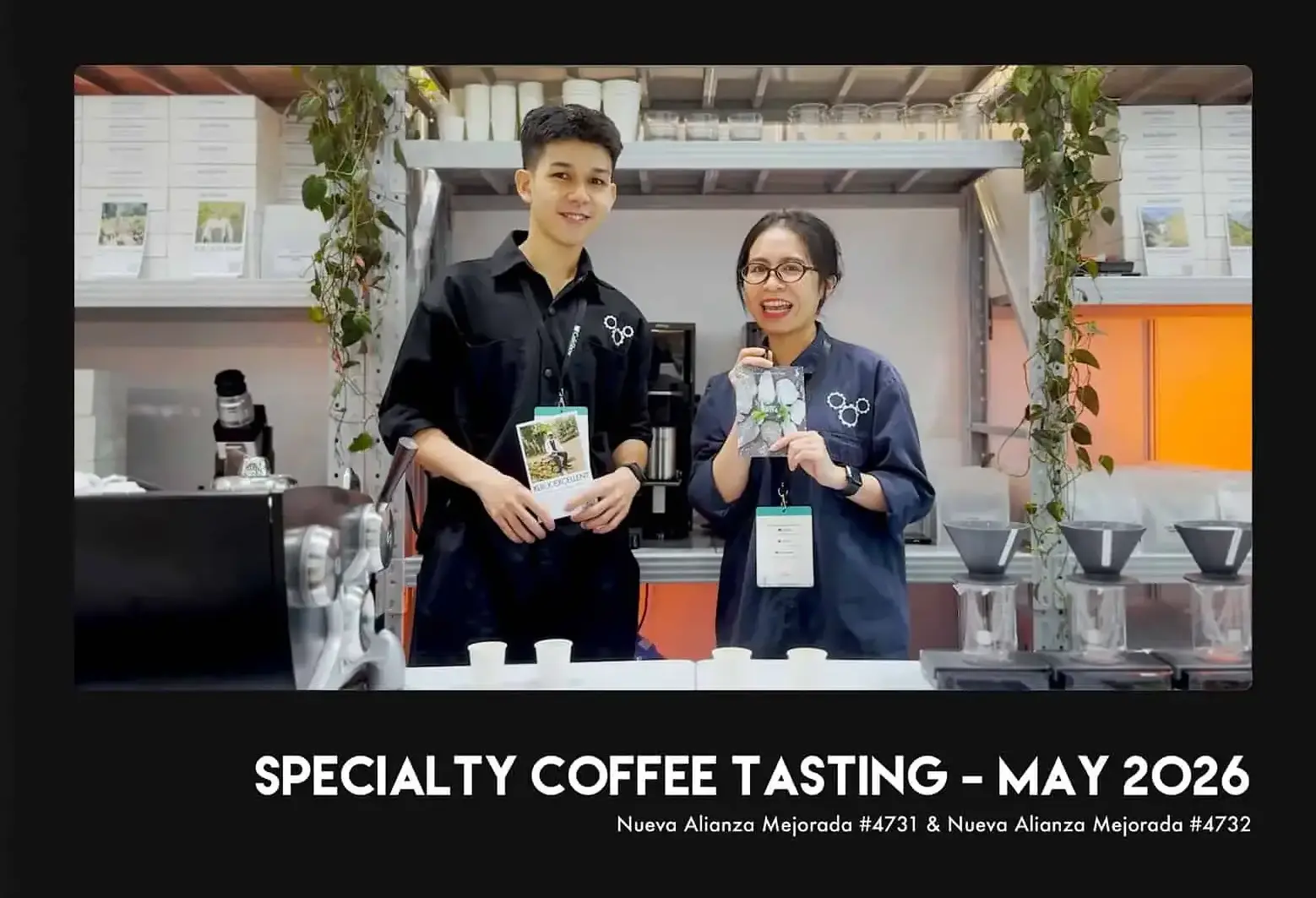
- Taste the Origin
Unveiling May Discovery Subscription: Nueva Alianza Mejorada #4731 & Nueva Alianza Mejorada #4732
The Discovery Subscription is a silent dialogue, a place where the soul of the connoisseur finds a harmonious beat with distant lands. Like a transparent lens, we become storytellers, meticulously peeling back layers of cultural sediment, the breath of the soil, and the human philosophies hidden within every coffee bean.
May arrives with brilliant streaks of golden sunlight, a time when we long to hide beneath the lush, dew-drenched canopies of Santa Teresa. Amidst the silence of the Andes, when compassion touches Mother Earth, what will we hear? Perhaps it is a sweet response that nature reserves solely for souls who know how to wait patiently.

- Taste the Origin
Nueva Alianza Pacamara #4733 – The essence of Cusco with elegant jasmine notes
Nueva Alianza Pacamara #4733 is a testament to the miraculous terroir and dedicated cultivation of the renowned Cusco region. The combination of the characteristic Pacamara bean size and ideal altitude has forged a flavor profile of immense sophistication and depth. From the very first moment, this lot captivates with its elegant jasmine notes, radiating a gentle, pure fragrance akin to a flower blooming in the morning dew.

- Taste the Origin
Nueva Alianza Orange Gesha #4737 – An expedition of recessive genetic traits into the sensory realm
In a world of authenticity, Nueva Alianza Orange Gesha #4737 represents the proud emergence of rare biological traits often obscured by nature’s universality. Carrying a recessive genetic code, Lot #4737 embarks on an “expedition” into the connoisseur’s mind, where record-breaking fructose concentrations are released to perfectly fill every sensory gap with absolute smoothness and purity.
Through washed processing and extremely-light roasting, vibrant citrus nuances and ethereal floral notes, once hidden deep within the genetic structure, now manifest with power, transforming the tasting experience into a journey of ontological completion, where the rarity of recessive genes finally reigns supreme in flavor.

- Taste the Origin
Nueva Alianza Maragogipe #4735 – The “Giant” at the center of attention
Amidst a world of countless specialty coffee beans, Nueva Alianza Maragogipe #4735 emerges as a symbol of grandeur, instantly commanding attention with its distinct appearance. Affectionately dubbed the “Giant” for its impressively mutated “Elephant Bean” size, lot #4735 from Nueva Alianza stands as a testament to nature’s wonders in the Cusco region. Yet, its true allure extends far beyond its imposing exterior; hidden within these colossal beans lies a gentle “soul” blooming with pure floral and crystalline fruit notes.

Specialty Coffee in Vietnam
BRAND VALUE
YOU SHOULD HAVE KNOWN
XLIII Coffee has been aiming to become a big, impactful company with social responsibilities,
have access to high-quality raw materials and convey the complete original values of coffee to our customer
