
Javanica Coffee: A Unique Journey to Global Recognition
The Javanica coffee variety was born to exemplify a success story that combines historical heritage with modern innovation. With its complex unique flavor and superior disease resistance, Javanica is becoming the top choice for roasters and coffee enthusiasts worldwide.
I. Origins and Historical Journey of Javanica
The story of Javanica coffee begins in the wild forests of Ethiopia, birthplace of the original Arabica coffee variety. This coffee carries the heritage of the Abyssinia variety, one of the oldest coffee lineages known to humanity.
From Ethiopia to Java
Javanica’s migration journey spans centuries and continents:
- 6th Century: Arabica coffee migrated from Ethiopia to Yemen
- 17th Century: The Dutch brought Java varieties to Indonesia
- Early 19th Century: Java coffee varieties were established on the island of Java
- Past 20+ years: The Mierisch family developed Javanica across their 14-farm system
The Role of the Mierisch Family
The Fincas Mierisch family, arguably the most influential producers in the coffee industry today—has spent over two decades selecting and developing the Javanica variety.

They haven’t merely cultivated the crop but have conducted in-depth research to enhance disease resistance, improve yield and cup quality, while adapting to Nicaragua’s climate conditions.
The name “Javanica” is an elegant combination of “Java” (genetic origin) and “Nicaragua” (current development location), showing respect for history while asserting a new identity.
This long journey isn’t just a story of geographical migration, but reflects the evolution and adaptation of a coffee variety across generations. The Mierisch family’s success in “reviving” the Java variety in Nicaragua has opened a promising new chapter for the global specialty coffee industry.
II. Biological Characteristics & Adaptation of Javanica
Javanica stands out not only for its flavor but also demonstrates remarkable adaptation to Nicaragua’s highland tropical environment. After more than two decades of selection and development, this coffee variety has become one of the clearest examples of successfully combining good genetics with modern cultivation techniques.
Natural Conditions of Main Growing Regions
The Jinotega and Matagalpa regions, where Javanica thrives, possess exceptionally favorable climate conditions. At elevations of 1,200-1,970 meters (3,940-6,460 feet), temperatures range from 64-77°F (18-25°C) during the day and 54-64°F (12-18°C) at night, creating ideal temperature differentials for sugar accumulation and flavor development in coffee beans.
Annual rainfall of 47-71 inches (1,200-1,800mm), concentrated mainly during the rainy season from May to October, provides adequate moisture without waterlogging. Volcanic soil rich in minerals, with pH ranging from 6.0-6.8, provides the perfect foundation for deep root development and efficient nutrient absorption.
Unique Plant Characteristics
Javanica inherits outstanding biological traits from the original Java lineage but has been optimized through selective breeding.
- Plant structure: Javanica plants reach 8-11 feet (2.5-3.5 meters) in height, with strong main stems and evenly distributed branching, facilitating harvesting and care.
- Foliage: Leaves are dark green with bronze-tipped young growth—a distinctive identifying characteristic of this variety.
- Bean characteristics: Beans have a long-berry shape, 10% larger than typical Arabica, containing more dry matter and aromatic oils, contributing to flavor complexity.
Javanica’s growth cycle also demonstrates good adaptation to Nicaraguan conditions. From flowering to full ripeness takes about 8-9 months, allowing coffee cherries to fully accumulate sugars and flavor compounds. Flowering occurs primarily in March-April, after the dry season, with main harvest from December to February the following year, coinciding with dry weather favorable for processing.


Superior Disease Resistance
One of the greatest achievements of the Javanica breeding program is disease resistance:
- Coffee Berry Disease (CBD): Strong resistance to fruit-affecting fungi
- Coffee Leaf Rust: Good resistance to leaf rust—Arabica coffee’s greatest threat
- Nematodes: Good resistance to soil pests
Yield and Economic Performance
Economically, Javanica provides high efficiency for farmers. Average yield is 18-22 quintals per hectare (approximately 1,800-2,200 kg of cherries), 15-20% higher than traditional Arabica varieties under similar conditions. High uniform ripening rate, typically reaching 85-90% in each harvest round, helps reduce labor costs and increase product quality. Stable production cycle, with trees beginning to fruit after 3-4 years of planting and maintaining high yields for 15-20 years.
Input costs are significantly lower due to natural disease resistance, reducing pesticide costs by 40-50% compared to susceptible varieties. This not only provides economic benefits but also aligns with increasingly popular sustainable and organic farming trends.
The perfect combination of strong genetics, good adaptability, and high economic efficiency has made Javanica one of the most noteworthy coffee varieties today. However, what truly establishes Javanica’s reputation is its complex and captivating flavor profile.
III. Flavor Profile and Sensory Characteristics of Javanica
Javanica’s flavor is a complex architecture built from multiple sensory layers, each bearing the distinct mark of its historical journey and refined processing techniques. This represents both a harmonious combination of flavor notes and the result of intricate interactions between genetics, terroir, and artisanal processing.
Complex Flavor Architecture
When first encountering Javanica, the first thing you notice is the excellent balance between flavor groups. Unlike many other specialty coffee varieties that often lean toward one specific direction—either too acidic or too sweet—Javanica exhibits harmony like a symphony orchestra.
- First impression: Initial aroma carries delicate floral characteristics reminiscent of fresh jasmine at dawn, interwoven with warm caramel notes. This is the “first layer” in the flavor architecture—the introductory layer that invites and creates initial impressions.
- Mid-palate development: When coffee touches the tongue, the “second layer” reveals itself with an explosion of tropical fruit flavors. This isn’t simple sweetness, but complex sweetness with various expressions: clean sweetness of ripe mango, gentle acidity of peach, refreshing pineapple, and rich cherry depth. These notes don’t appear separately but blend in a continuous flow, creating the sensation of enjoying a premium fruit medley.
- Finish: Upon swallowing, the “third layer” emerges—a foundation of chocolate and deep lingering sweet aftertastes. This isn’t simple milk chocolate but dark chocolate with 70-80% cacao content, carrying gentle earthiness without overwhelming. Honey notes appear as a bridge, connecting fruit freshness with chocolate richness. Nougat and caramel add complexity and depth.


Expression by Roast Level and Brewing Method
While the core flavor profile remains consistent, subtle “transformations” occur depending on roasting process, roast level, and brewing choices. For special varieties like Javanica, this becomes even more pronounced.
| Method | Light roast/ Extremely light roast | Medium roast | Dark roast |
| Pour-over/ Filter |
Dominant flavors: jasmine, floral, tea-like Characteristic: premium black tea with fruit notes Parameters: 198°F (92°C), 1:16 ratio, 30-second bloom Highest acidity, bright clarity, natural fruit sugars |
Prominent balanced chocolate-fruit flavors. Sweet with broad appeal, the “sweet spot” for most enthusiasts. Parameters: 199-201°F (93-94°C), 1:15 ratio, 35-second bloom Fuller body, balanced sweetness, moderate acidity |
Rich chocolate with subtle fruit undertones. Complex but harmonious Parameters: 201°F (94°C), 1:14 ratio, 40-second bloom Requires skilled roasting to minimize bean defects |
| French Press |
Highlights: floral essential oil range, delicate mouthfeel. Artisanal tea experience Parameters: Coarse grind, 4 minutes, 201°F (94°C) |
Very rich texture with complex herbal aromatics Balance between flavor and mouthfeel. Fruit notes interwoven with earthiness and chocolate Parameters: Medium-coarse grind, 4 minutes, 203°F (95°C) |
Chocolate flavors dominate. Dark chocolate with subtle fruit notes Parameters: Coarse grind, 4.5 minutes, 205°F (96°C) Note: Risk of losing original characteristics |
| Cold Brew |
Shining element: exceptional fruit complexity. Tropical fruit cocktail flavor, smooth Parameters: 18-24 hours, coarse grind, 1:8 ratio Magic: reduced acidity, enhanced natural sweetness |
Perfectly balanced flavor profile incorporating all elements Optimal: 20 hours, medium-coarse grind, 1:7 ratio Enhanced chocolate while retaining bright fruit notes |
Full-bodied and concentrated. Dessert-like with coffee aromatics< Parameters: 24 hours, coarse grind, 1:6 ratio Syrup-like sweetness, subtle fruit notes |
| Espresso/ Shot |
Requires high skill Bright flavor profile, floral crema Parameters: Fine grind, 28 seconds, 1:2.5 ratio Risk of over-extraction |
Excellent crema, well-balanced Sweet independence without requiring milk Parameters: Fine grind, 25-30 seconds, 1:2 ratio Creates complete blend, versatile milk drinks |
Limited potential as origin characteristics are lost Parameters: Fine grind, 30+ seconds, 1:1.8 ratio Not recommended for Javanica |
- Light roast optimal for those wanting to experience Javanica’s “pure terroir”
- Medium roast is the popular approach, meeting 80% of specialty coffee customers’ needs
- Cold brew provides highest ROI for café owners with premium Javanica
- Espresso with Javanica requires baristas with minimum 2 years experience to avoid wasting expensive beans
Javanica achieves peak flavor not only through good genetics but also heavily depends on post-harvest processing. Applying anaerobic processing technology has created breakthroughs in sensory quality.
IV. Javanica's Position in the Specialty Coffee Industry
Javanica has established a special position in the specialty coffee world through its unique combination of high quality, sustainability, and economic value. This coffee variety not only meets the demands of discerning consumers but also provides practical benefits for farmers and roasters.
Benefits for Farmers
- Stable yield: 15-20% higher than traditional varieties
- Premium pricing: 20-30% premium over commercial coffee
- Low plant protection costs due to natural disease resistance
Environmental Sustainability
- Reduced pesticide usage
- Good adaptation to climate change
- Biodiversity conservation in cultivation
Javanica perfectly meets modern consumption trends including origin traceability with a clear story from Ethiopia to Nicaragua, and superior quality with cupping scores consistently achieving 85+ points. Javanica’s advantages also come from innovation in applying advanced processing technology to create flavors unavailable in other varieties.
Javanica has become a symbol of the perfect combination between historical heritage and modern innovation. In the context of the global coffee industry seeking sustainable solutions for the future, Javanica has proven that high quality and sustainability can go hand in hand, creating value for all stakeholders in the coffee value chain.
Images used in the article are collected from various sources.
V. Frequently Asked Questions
1. How does Javanica differ from traditional Java coffee?
Javanica is an “evolved” version of the original Java variety, specially selected in Nicaragua with higher disease resistance and more complex flavors. While Indonesian Java typically has heavy body and earthy notes, Nicaraguan Javanica displays pronounced fruit and floral characteristics.
2. Why is Javanica more expensive than regular coffee?
Three main factors: (1) Limited production due to strict selection processes, (2) High processing costs with anaerobic technology, (3) Exceptional cup quality with cupping scores consistently above 85 points—high-end specialty coffee standards.
3. Which brewing method works best with Javanica?
Filter/Pour-over (V60, Chemex) and cold brew are ideal for showcasing fruit and floral flavors. Recommended ratio: 1:15-1:16, water temperature 198-201°F (92-94°C) for hot brew. For espresso, careful roast profile control is needed to balance acidity and sweetness.
4. Is Javanica suitable for specialty coffee beginners?
Absolutely! Javanica has balanced acidity that’s not too sharp, high natural sweetness, and approachable flavors. It’s an excellent choice for “entering” specialty coffee with a rich flavor experience that’s not overly complex.
5. How should Javanica be stored to maintain optimal quality?
Store in valve-sealed bags, away from direct light and high temperatures. Use within 2-4 weeks after roasting for optimal flavor. With whole beans, you can store longer but should grind immediately before brewing to preserve flavor complexity.

Bài viết mới

- Taste the Origin
Finca La Palestina Red Bourbon #5487 – A blossoming legacy in the highlands of Cajamarca
Amidst the ethereal clouds of Cajamarca, where the deep forest, Mother Earth, and time harmonize, Finca La Palestina Red Bourbon #5487 is born as a proud epic of heritage. It bears witness to the story of three generations of the Alarcón Coronel family, to their respect for nature, and to their Cup of Excellence achievements. Each layer of fragrance is a journey for all the senses, leading the connoisseur into subtle and captivating depths.

- Breaking News
Royal Botanic Gardens, Kew announces new hybrid coffee named Libex
As the global coffee industry faces unprecedented challenges from climate change, the Royal Botanic Gardens, Kew (UK) has brought a ray of hope by formally announcing a natural hybrid coffee named Libex. Identified after intensive genetic research across three continents, Libex represents a perfect intersection between the resilient heat tolerance of Liberica and the robust agronomic vigor of Excelsa.

- Find the Origin
Mejorado Coffee Variety – The Perfect Blend of Bourbon & SLN Hybrid Lineage
Originating from the windswept hillsides of the South American highlands, the Mejorado coffee variety tells the story of a genetic masterpiece that is redefining the boundaries of the contemporary Specialty Coffee world. Behind a easily misunderstood name lies a completely distinct alter ego, where the sweet heritage of the Bourbon variety intertwines with the resilient vitality of the SLN hybrid lineage. Thanks to a profound slow-ripening process in the chill of extreme altitudes, this seed nurtures a magnificent flavor profile with ethereal floral and fruit notes, stepping onto the altars of global competitions to assert its status as a future icon, ready to stir the most discerning senses.
- Taste the Origin
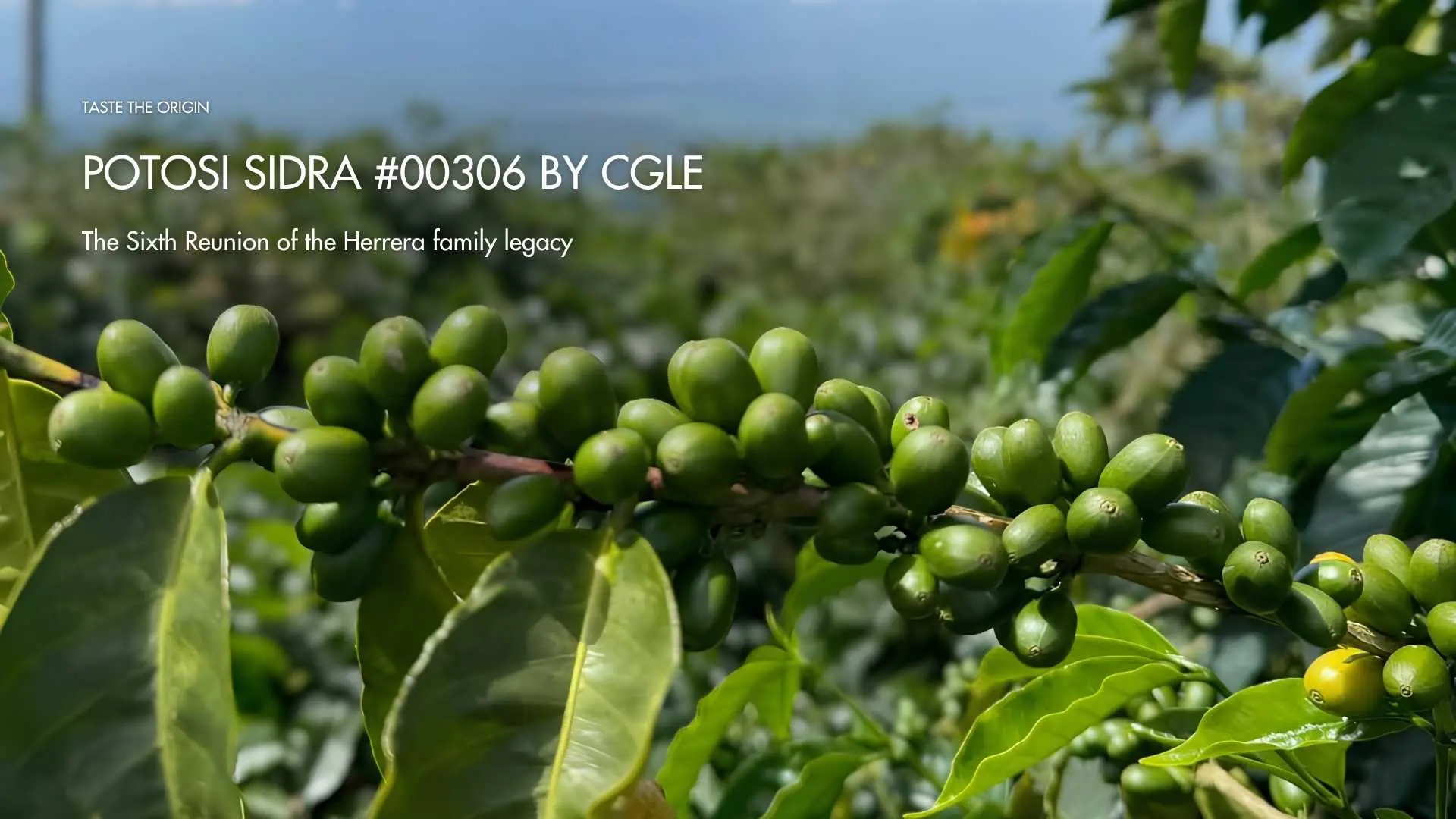
Potosi Sidra #00306 – The sixth reunion of the Herrera family legacy
The sixth harvest marks the return of Potosi Sidra #00306 by CGLE, carrying the presence of a family patriarch entrusted with more than eighty years of heritage from the Herrera family. Cultivated in the founding valley of Potosi since 1945 in Caicedonia, this genetic treasure born from the union of Bourbon and Typica presents a remarkably evolved sensory profile. Through its Extremely Light Roast philosophy and the financial transparency of the Paid for Producer model, XLIII Coffee chooses to preserve the authentic voice of terroir and the coffee’s original flavor structure.
- Taste the Origin
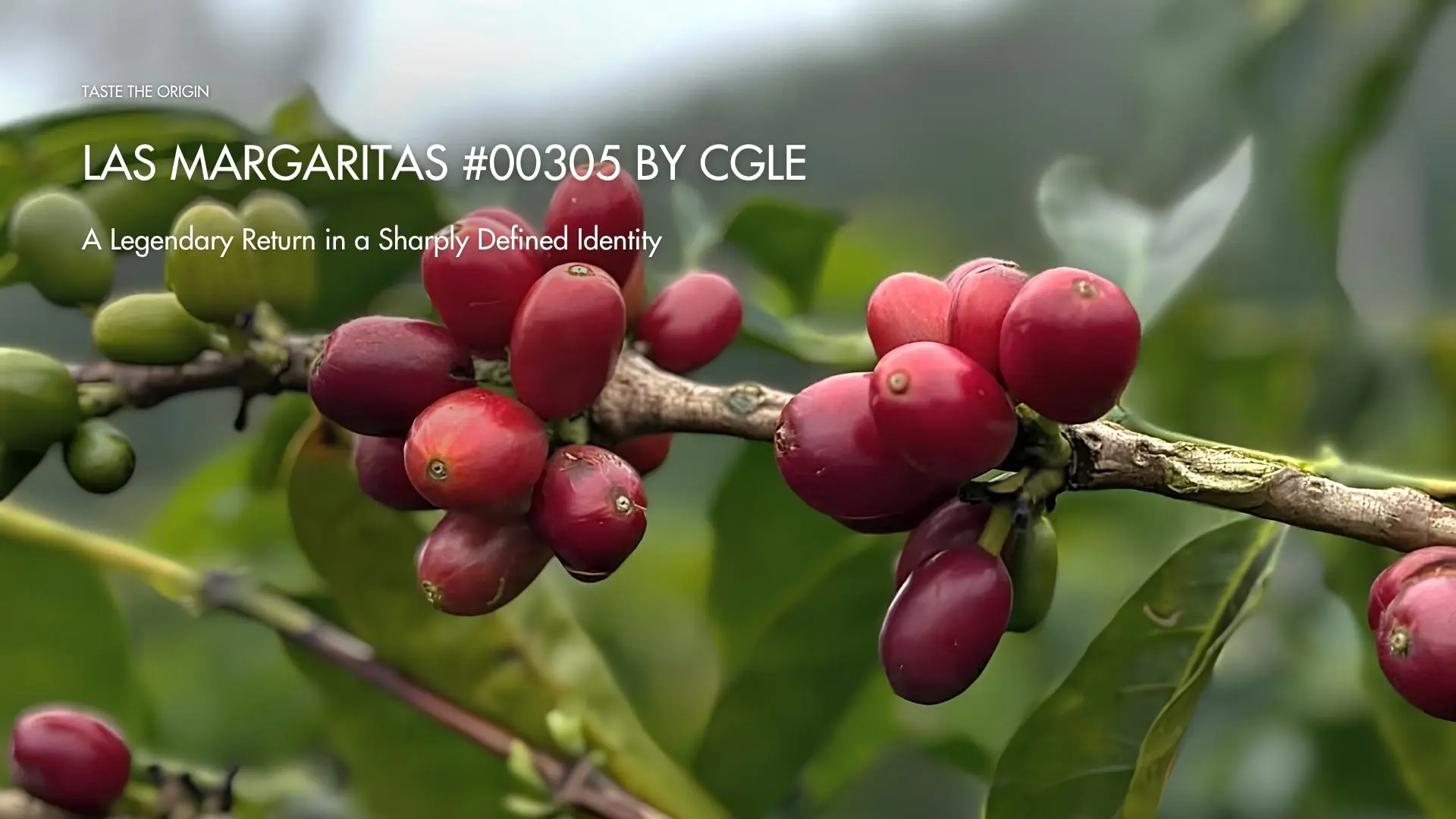
Las Margaritas #00305 by CGLE – A Legend Reunited in a Sharper Identity
Las Margaritas #00305 by CGLE returns to XLIII Coffee as a Gesha masterpiece reborn from the renowned Valle del Cauca region. Infused with the exquisite craftsmanship of Café Granja La Esperanza, this rare batch of coffee embarks on an enchanting flavor journey with vibrant citrus notes, delicate jasmine, and an elegant, lingering Earl Grey finish. Each drop is a crystallization of fertile volcanic soil and the sustainable farming philosophy that CGLE has persistently pursued for decades, creating a full-bodied, sharp flavor profile while retaining the pristine beauty characteristic of the royal Gesha variety.

- Taste the Origin
Finca Rosenheim Typica & Caturra – The Crossroads of Cultural Currents
Across the tides of world history, Finca Rosenheim Typica & Caturra emerges as a living testament hidden within the vast wilderness of Villa Rica. Here, the ancient lineage of the legendary Typica variety converges with the purity of the Washed process and the artistry of shade grown cultivation, weaving together delicate layers of Milk Chocolate, Nougat, and Purple Floral. Together, they create a profound resonance between resilient European heritage and the soul of the native Andes.

Specialty Coffee in Vietnam
BRAND VALUE
YOU SHOULD HAVE KNOWN
XLIII Coffee has been aiming to become a big, impactful company with social responsibilities,
have access to high-quality raw materials and convey the complete original values of coffee to our customer
