
Discovering SLN 9: India’s Unique Arabica Hybrid Coffee
SLN 9 represents a groundbreaking Arabica hybrid from India that combines the complex flavors of Ethiopian heirloom varieties with the disease resistance of Timor Hybrid. With its distinctive wine-like characteristics and exceptional adaptability, SLN 9 is reshaping how we think about specialty coffee quality from Asia.
I. SLN 9's position in India's coffee industry
Amid the ongoing crisis of climate change and leaf rust disease affecting coffee cultivation worldwide, SLN 9 represents a scientific breakthrough: Can we create coffee that’s both delicious and sustainable?
The answer lies within India’s Central Coffee Research Institute (CCRI), where scientists successfully cross-bred Ethiopian Tafarikela with Hibrido de Timor. The result was a coffee variety that won the Fine Cup Award in 2002 and became one of India’s most popular Arabica varieties – SLN 9.

What makes SLN 9 special isn’t just its disease resistance, but the fact that it carries the DNA of Ethiopian heirloom varieties – those wild coffee strains considered the “holy grail” of Arabica flavor.
SLN 9’s position on the global coffee map is both geographical and symbolic. It represents a new paradigm: specialty coffee doesn’t necessarily have to come from traditional regions, but can be “engineered” through science and deep understanding of genetics.
This is precisely what creates the difference in today’s specialty coffee world.
II. Genetics and growing characteristics of SLN 9
To truly understand SLN 9, we must start with its genetic structure – where the secrets of this coffee variety’s uniqueness lie hidden. This isn’t just a story of successful breeding, but proof that science can orchestrate “marriages” that would be impossible in nature.
A Unique Genetic Story
SLN 9 was born from an extraordinary “marriage” between two completely different genetic lines:
- Ethiopian Tafarikela represents exceptional cup quality, belonging to the group of Ethiopian heirloom varieties famous for their complexity and distinctive brightness. This variety carries the typical fruit and floral characteristics of Ethiopia, developed through thousands of years of natural evolution.
- Hibrido de Timor (HdT) symbolizes disease resistance. This is a natural hybrid between Coffea arabica and Coffea canephora, discovered on the island of Timor in the 1940s. The remarkable thing about HdT is that it carries four chromosome pairs like Arabica but possesses disease resistance genes from Robusta.
According to research from the Central Coffee Research Institute, this combination creates a “best of both worlds” hybrid. SLN 9 not only has Ethiopian quality but also resistance to coffee leaf rust strains I and II.


What’s noteworthy is that this breeding wasn’t random but based on deep understanding of chromosome compatibility. While most crosses between different species typically fail, HdT carries unique tetraploid characteristics that enable successful combination with other Arabica varieties.
Outstanding Agricultural Characteristics
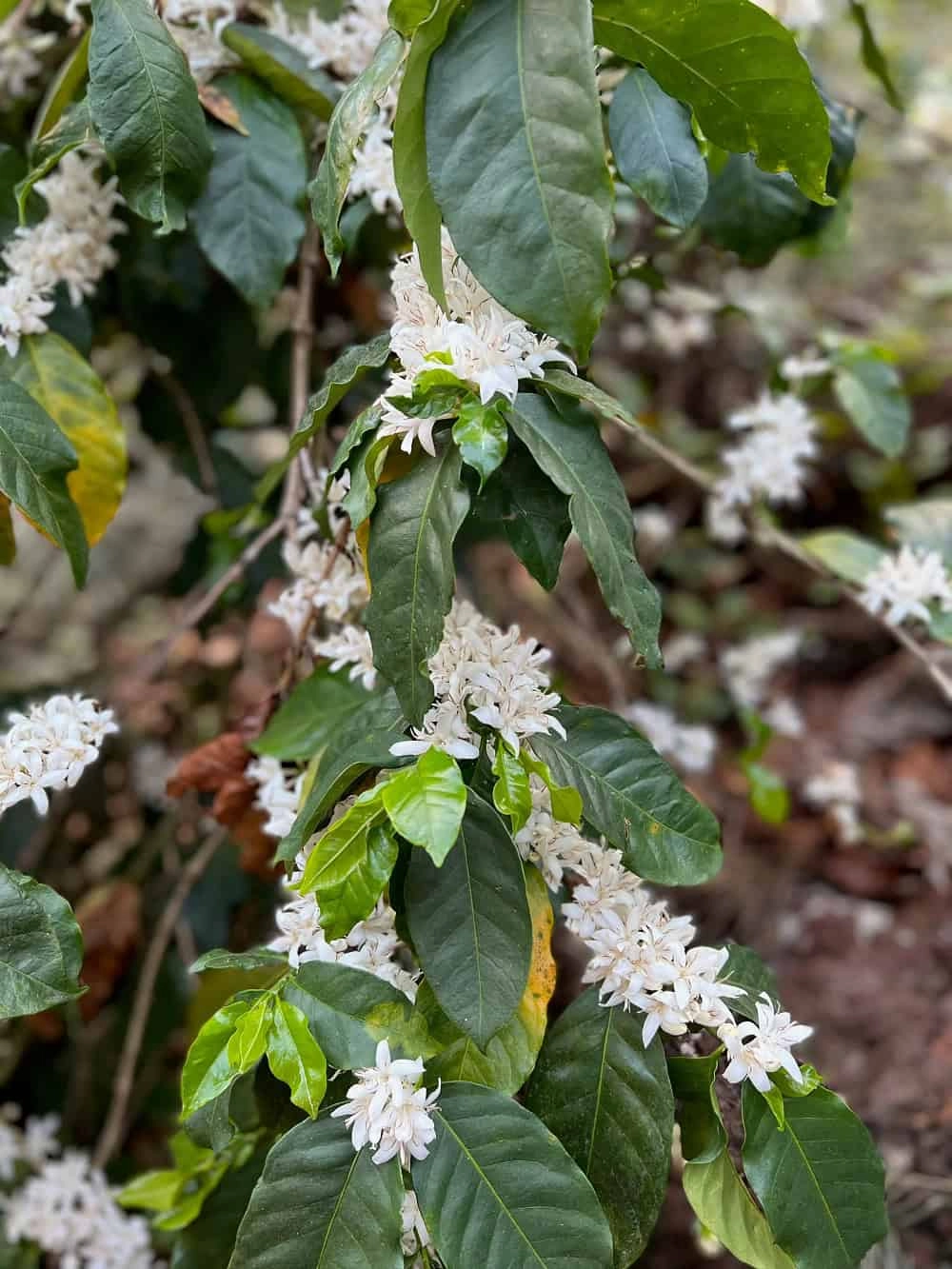
SLN 9 displays very distinctive morphological features. The plant is tall with vigorous growth and naturally drooping branches. The leaves are broad and elliptical, with new leaves showing a beautiful bronze color. The cherries are large, deep red, and oval-shaped, with a density of 12-16 cherries per cluster.
| Criteria | SLN 9 Characteristics |
| Yield | 1,700 kg/ha (23-year average at CCRI) |
| Bean Quality | 60-65% Grade A |
| Harvest Season | Early ripening |
| Drought Tolerance | Good |
| Optimal Growing Region | 1000-1600m (Chikmagalur, Coorg) |
One of SLN 9’s greatest advantages is its excellent drought tolerance and broad adaptation to various ecological zones. This variety is particularly suited to India’s traditional shade-grown systems, often intercropped with black pepper, cardamom, citrus, and vanilla.
SLN 9’s cultivation success comes not only from genetic advantages but also from intelligent adaptation to local conditions. This is an important lesson: even a coffee variety with excellent genetics needs “harmony” with its terroir to express its full potential. SLN 9 has proven this perfectly.
III. Flavor profile and roasting science for SLN 9
If genetics provide the foundation, then flavor is the soul of SLN 9. This is where all genetic advantages are transformed into concrete sensory experiences – and where challenges begin for those wanting to “tame” this special coffee variety.
Flavor: A Fusion of Ethiopia and India
SLN 9 delivers a multi-dimensional coffee experience that few varieties can match. Fundamentally, this variety offers strong intensity and distinctive aroma, combined with bright acidity and clear citrus notes. What makes it special is its extremely high sweetness with wine-like characteristics.
SLN 9’s flavor spectrum displays remarkable complexity. Primary flavor notes include raspberry sauce, lemon zest, and butterscotch. Secondary notes deliver chocolate, caramel, and jasmine florals. Particularly when processed using natural methods, SLN 9 exhibits unique fermented notes, occasionally showing creamy richness like Baileys and sweetness like pastries.
Post-harvest processing methods have a decisive impact on final flavor. Natural and honey processing amplify fermentation characteristics, while wet processing highlights acidity and floral notes.
SLN 9’s complexity isn’t meaningless complexity but sophisticated layering. Each flavor note plays its own role, creating a symphony of taste that only varieties with Ethiopian heritage can deliver.


Roasting Science: Preserving Authentic Flavor
SLN 9 isn’t an “easy” coffee to roast. It requires a special roasting approach to unlock its full flavor potential. The core principle is using longer roasting times combined with higher finishing temperatures compared to typical Central American varieties.
- The initial phase requires gentle heat to avoid surface scorching
- After first crack, maintain high energy levels to ensure full flavor development
- Particularly important is avoiding sudden temperature drops during development and pushing finishing temperatures higher to maximize sweetness
Many roasters note that SLN 9 “opens up slowly” during roasting, unlike Central American varieties that typically develop more quickly. The expected result is full expression of sweetness, wine-like character, and distinctive intensity with perfect balance between complexity and drinkability.
The paradox of SLN 9 lies in this: to achieve simplicity in the cup, you need complexity in roasting. This isn’t a coffee for those seeking shortcuts, but for roasters who understand that time and patience are key factors in unlocking true potential.
IV. Commercial future and challenges
In the marketplace, SLN 9 occupies a premium position in the specialty segment with strong demand from third-wave coffee shops and beyond. However, SLN 9 also faces challenges. This variety remains vulnerable to new strains of leaf rust and requires adaptive strategies for changing weather patterns. The complexity in post-harvest processing also demands careful attention.
Looking forward, SLN 9 is becoming a model for next-generation coffee varieties. Many breeding programs are studying its genetic structure to develop similar hybrids for other regions worldwide.
Impact Beyond India
SLN 9’s success story is inspiring coffee scientists globally. The question is no longer “Can we create coffee that’s both delicious and disease-resistant?” but “How do we replicate this success in other origins?“
Important lessons from SLN 9 show that Ethiopian genetics remain a goldmine for flavor development, Timor Hybrid continues to be crucial for disease resistance breeding, and terroir adaptation can elevate genetic potential.

Advice for coffee professionals:
- For farmers: SLN 9 proves that quality and sustainability can go hand in hand. Investment in proper cultivation and appropriate processing will be rewarded accordingly.
- For roasters: Patience is required with SLN 9. This variety rewards those willing to experiment with longer development times and higher finishing temperatures.
- For baristas: Highlight SLN 9’s Ethiopian characteristics. This variety works excellently as single-origin espresso or pour-over to showcase its complexity.
Overall, SLN 9 is a genetic masterpiece and practical proof of the coffee industry’s future. SLN 9 shows us that science-based breeding can deliver both exceptional cup quality and agricultural resilience.
Every cup of SLN 9 tells a story of scientific innovation, cultural exchange, and uncompromising pursuit of excellence. That’s precisely why this coffee variety is important not just for India but for the entire global coffee community.
Images used in the article are collected from various sources.
V. Frequently asked questions
1. Is SLN 9 actually better than regular Arabica coffee?
SLN 9 isn’t necessarily “better” but “more distinctive.” The flavor complexity from its Ethiopian heritage creates a multi-dimensional experience that few varieties can offer. However, “better” is subjective – those who appreciate wine-like and fermented flavors will highly value SLN 9.
2. Why is SLN 9 harder to roast than other varieties?
SLN 9 has a denser cellular structure due to its HdT genetics, requiring more time and higher temperatures for flavor compounds to develop fully. This isn’t “difficult” but “technically demanding” – like cooking wagyu beef versus regular beef.
3. Is SLN 9 expensive? What’s the price range?
SLN 9 typically costs 20-40% more than commercial Arabica due to lower yields and higher quality. Green bean prices usually range from $8-15 USD/kg depending on grade and processing, while roasted coffee can be $25-50 USD/kg in specialty markets.
4. Should coffee newcomers try SLN 9?
Yes, but start with washed processing first. Natural/dry processed SLN 9 has strong fermentation characteristics that might “shock” newcomers. Think of trying SLN 9 like learning to appreciate wine – it takes time to value the complexity.
5. Is SLN 9 suitable for espresso?
Absolutely! SLN 9 creates thick crema, strong body, and excellent complexity for espresso. However, it requires an appropriate roast profile – not too light to avoid harsh acidity, not too dark to preserve Ethiopian characteristics.

Bài viết mới

- Taste the Origin
Nigussie Nare – Murago Outgrowers #03028: Cultivated from the Values of Sustainable Reciprocity
Nestled beneath the shade trees of Sidama, Bensa, the Nigussie Nare – Murago Outgrowers #03028 coffee lot serves as a living testament to the values of sustainable reciprocity. This symbiosis begins with the intimate bond between a rich indigenous ecosystem and the smallholder farmers of the Murago region. Each harvested bean is the culmination of a virtuous cycle: a stable environment produces exceptional bean quality, and sustainable economic growth, in turn, continues to protect the verdant canopy of the great forest.

- Taste the Origin
Rift Valley Coffee Caucus #03757 – A Testament to Western Kenya’s Collective Spirit
Turning our gaze to the Great Rift Valley of East Africa, the fertile volcanic landscapes are witnessing an inspiring transformation. Moving away from fierce, survival-driven competition, smallholder farmers in Western Kenya have chosen to join forces, forging a resilient and unified network. The Rift Valley Coffee Caucus #03757 lot stands as the ultimate testament to this remarkable collective synergy.

- Breaking News
Airworks Coffee & XLIII Coffee – A “handshake” that brings original flavors across borders
XLIII Coffee, alongside our key wholesale partner Airworks Coffee, officially announces the latest release of specialty coffee lots for the North American market. This event reaffirms our commitment to bringing original flavors across all geographical barriers to coffee enthusiasts.
Early access (for Subscribers of Airworks): 10:00 AM (PST) | Wednesday, April 29, 2026
General access: 10:00 AM (PST) | Friday, May 1, 2026
We invite our Customers and Partners to visit (airworkscoffee.com) for detailed information and to prepare for this special release!
- Taste the Origin
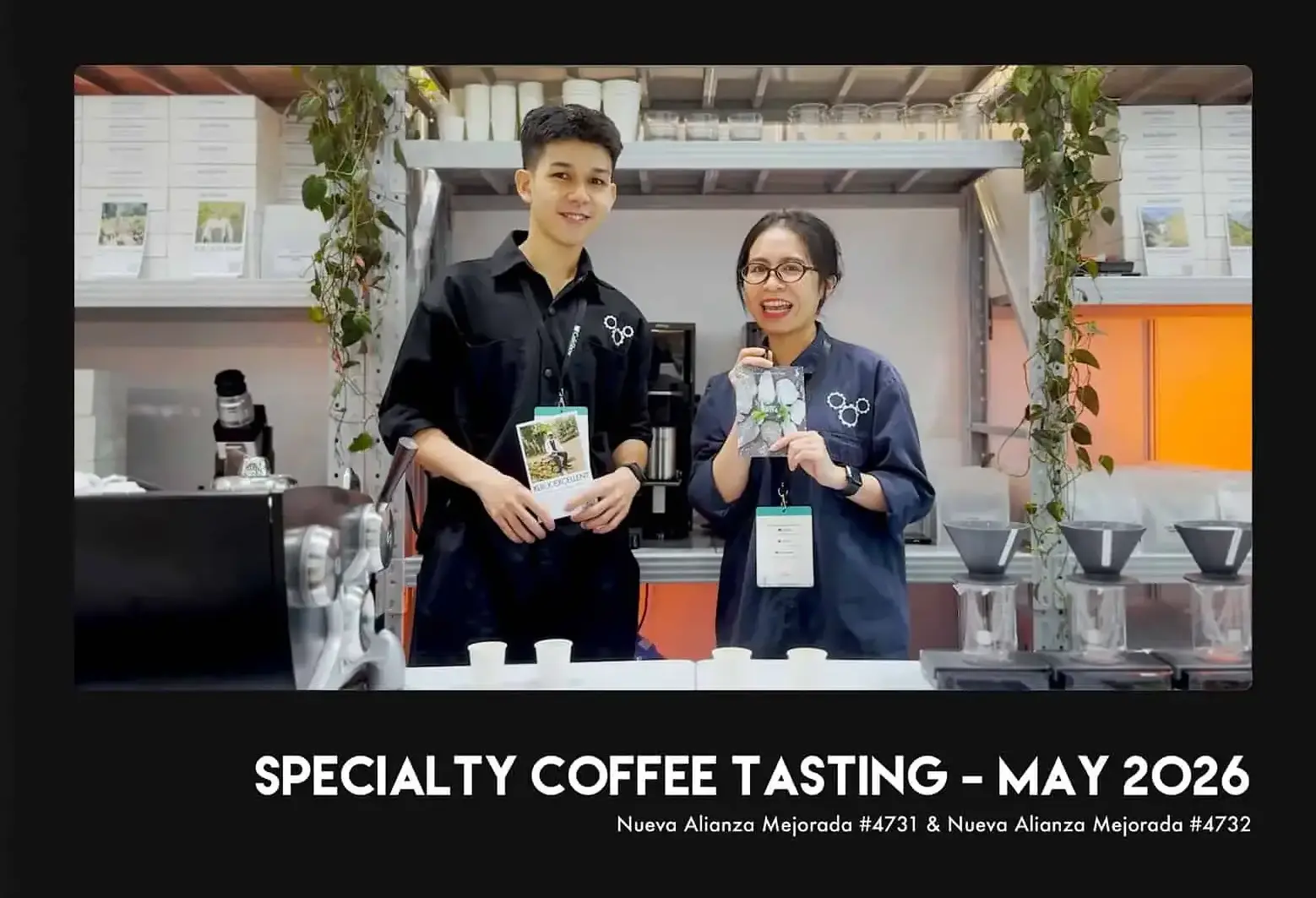
Unveiling May Discovery Subscription: Nueva Alianza Mejorada #4731 & Nueva Alianza Mejorada #4732
The Discovery Subscription is a silent dialogue, a place where the soul of the connoisseur finds a harmonious beat with distant lands. Like a transparent lens, we become storytellers, meticulously peeling back layers of cultural sediment, the breath of the soil, and the human philosophies hidden within every coffee bean.
May arrives with brilliant streaks of golden sunlight, a time when we long to hide beneath the lush, dew-drenched canopies of Santa Teresa. Amidst the silence of the Andes, when compassion touches Mother Earth, what will we hear? Perhaps it is a sweet response that nature reserves solely for souls who know how to wait patiently.

- Taste the Origin
Nueva Alianza Pacamara #4733 – The essence of Cusco with elegant jasmine notes
Nueva Alianza Pacamara #4733 is a testament to the miraculous terroir and dedicated cultivation of the renowned Cusco region. The combination of the characteristic Pacamara bean size and ideal altitude has forged a flavor profile of immense sophistication and depth. From the very first moment, this lot captivates with its elegant jasmine notes, radiating a gentle, pure fragrance akin to a flower blooming in the morning dew.

- Taste the Origin
Nueva Alianza Orange Gesha #4737 – An expedition of recessive genetic traits into the sensory realm
In a world of authenticity, Nueva Alianza Orange Gesha #4737 represents the proud emergence of rare biological traits often obscured by nature’s universality. Carrying a recessive genetic code, Lot #4737 embarks on an “expedition” into the connoisseur’s mind, where record-breaking fructose concentrations are released to perfectly fill every sensory gap with absolute smoothness and purity.
Through washed processing and extremely-light roasting, vibrant citrus nuances and ethereal floral notes, once hidden deep within the genetic structure, now manifest with power, transforming the tasting experience into a journey of ontological completion, where the rarity of recessive genes finally reigns supreme in flavor.

Specialty Coffee in Vietnam
BRAND VALUE
YOU SHOULD HAVE KNOWN
XLIII Coffee has been aiming to become a big, impactful company with social responsibilities,
have access to high-quality raw materials and convey the complete original values of coffee to our customer
