For the First Time Ever: Finca La Huella Javanica Arrives from Fincas Mierisch

For the first time, the Finca La Huella Javanica coffee from Matagalpa officially debuts at XLIII Coffee. Cultivated at La Huella Farm under Fincas Mierisch, this coffee embodies the richness of volcanic soil, a cool microclimate, and sustainable farming practices. Its arrival marks the emergence of a new icon in the world of specialty coffee – one that carries the spirit of respect for nature and a passion for authentic quality.

I. Origin and Characteristics of the Javanica Variety

The Javanica variety is one of the most distinctive Arabica cultivars in the specialty coffee world. Originally believed to be a Typica mutation, it was brought from Yemen to the island of Java (Indonesia) in the 17th century. Over time, Javanica adapted to local conditions, developing unique traits such as larger beans, broader leaves, and low yield but exceptional cup quality – celebrated for its clarity and balance.

When Fincas Mierisch discovered this variety in the late 1990s, they recognized its remarkable potential. Over the next two decades, they dedicated extensive research and selective cultivation efforts to adapt Javanica to the Nicaraguan highlands of Matagalpa and Jinotega. This work went far beyond trial planting, it became a comprehensive program to enhance disease resistance, improve yield, and maintain the delicate flavor attributes that trace back to its Java origins.

giong-ca-phe-javanica-3
giong-ca-phe-javanica-4
giong-ca-phe-javanica-2
giong-ca-phe-javanica-5

The name “Javanica” itself is a meaningful fusion of “Java” – its genetic birthplace, and “Nicaragua” – the region where it found a new home and ideal growing conditions. This blend of heritage and renewal symbolizes the variety’s dual identity: honoring its past while embracing innovation. In Nicaragua, Javanica matures more slowly than other varieties, but this results in a cup of refined complexity and clarity.

The journey of Javanica is more than a geographic migration; it represents the natural evolution of an ancient coffee lineage. Under the care of the Mierisch family, the variety has been “reborn” in Nicaragua, achieving superior quality and remarkable stability. This success not only enriches the genetic landscape of Arabica coffee but also highlights a milestone in the sustainable evolution of specialty coffee worldwide.

II. La Huella - The Birthplace of Finca La Huella Javanica

To craft a coffee lot that meets specialty standards requires more than just good genetics, it demands the harmony of landscape, soil, climate, and human stewardship. These very elements form the foundation of Finca La Huella Javanica.

Establishment and Development

Finca La Huella is one of the youngest farms within the Mierisch family’s 14-farm network, acquired in 2014. Despite its youth, it has swiftly risen to prominence for its outstanding coffee quality, establishing itself as a pioneering site within the Fincas Mierisch portfolio.

Topography and Conditions

Located in El Arenal, Matagalpa, Nicaragua, the 76-hectare farm sits at elevations between 1,315-1,400 meters above sea level – ideal for producing distinctive cup profiles. Daytime temperatures average around 21°C, dropping to about 15°C at night. This cool environment encourages slow cherry maturation, allowing for deeper flavor development.

la-huella-3
giong-ca-phe-javanica
fincas-mierisch-la-huella2
la-huella

Soil and Microclimate

What sets La Huella apart is its location inside the Arenal Nature Reserve, where strict environmental regulations govern deforestation and water use. Around 60% of the day, the farm is enveloped in dense mist, creating a natural shade effect that stabilizes temperature and humidity. This mist slows down cherry ripening, enabling a gradual concentration of flavor compounds – a rare and advantageous condition.

Sustainability Commitment

Operating within a protected reserve, La Huella adheres to rigorous environmental standards, managing water responsibly, maintaining biodiversity, and protecting native forests. This balanced ecosystem provides the perfect backdrop for coffee trees to thrive naturally and healthily.

Through the synergy of nature’s gifts and mindful cultivation, La Huella has nurtured the Finca La Huella Javanica lot – a testament to patience, understanding, and respect for the land.

III. Unlocking the Flavor Notes of Finca La Huella Javanica

Finca La Huella Javanica offers a flavor experience of refined depth, beginning with gentle herbal notes that evoke freshness and purity. The herbal aroma here is not sharp but elegant and clean, reminiscent of the cool mountain air of Matagalpa. The region’s stable microclimate helps these herbal characteristics express clearly while maintaining Javanica’s signature clarity.

This is followed by sweet almond mid-notes that round out the cup, leading into a smooth hazelnut finish that adds body and warmth. These balanced, sweet-nutty characteristics are typical of coffees processed using the washed method – a technique meticulously applied by Fincas Mierisch. By thoroughly removing the mucilage before drying, the washed process preserves the coffee’s crisp brightness and articulate flavor definition, making Javanica shine with transparency and structure.

Lần đầu tiên xuất hiện: Cà phê Finca La Huella Javanica đến từ Fincas Mierisch

The marriage of Javanica genetics, Matagalpa’s cool environment, and washed processing yields a cup that unfolds gracefully from delicate herbs to sweet almond to creamy hazelnut. The finish is clean and lingering, leaving a sense of harmony and freshness. Finca La Huella Javanica, therefore, is not just a coffee; it is a sensory narrative – a story of terroir, craftsmanship, and the artistry of the Mierisch family.

IV. Finca La Huella Javanica Marks a New Chapter at XLIII Coffee

The arrival of Finca La Huella Javanica at XLIII Coffee marks a new milestone in the brand’s journey to discover and share the world’s finest specialty coffee lots from the renowned Fincas Mierisch. This is the fourth lot sourced from this partnership, following El Suspiro Orange Bourbon, Mama Mina Red Pacamara, and El Limoncillo Yellow Pacamara. The continuity of this collaboration demonstrates XLIII Coffee’s deep trust in the Mierisch family’s quality, ethics, and sustainability philosophy.

Built on a Direct Trade model – a transparent, farmer-first approach, this partnership ensures fair compensation and accountability at every stage. For Finca La Huella Javanica, XLIII Coffee paid 10.78 USD per kilogram, a price that underscores its commitment to sustainability and equitable value for producers in Central America.

Cerro Azul
LD-PE 4 là gì? Hiểu đúng về chất liệu bao bì cà phê thân thiện môi trường

When arriving in Vietnam, Finca La Huella Javanica is roasted by XLIII Coffee using an extremely light roast – the brand’s signature roasting style to preserve the coffee’s original structure and highlight its delicate notes of herb, sweet almond, and creamy hazelnut. This approach allows coffee lovers to experience the inherent clarity, purity, and elegance of the Javanica variety, true to XLIII Coffee’s philosophy of “roasting to honor the bean, not to conceal it”.

The debut of Finca La Huella Javanica, therefore, is more than just the addition of another coffee to XLIII Coffee’s lineup; it stands as a symbol of enduring collaboration between two like-minded producers both committed to celebrating the authentic value of coffee and delivering a genuine experience from farm to cup.

Images owned by Fincas Mierisch and XLIII Coffee.

V. FAQs

1. How is Finca La Huella Javanica grown and processed?

It’s cultivated at 1,315 – 1,400m in Matagalpa’s cool climate and volcanic soil, then processed using the washed method for a clean, balanced cup profile.

2. How does farming within the Arenal Nature Reserve affect quality?

Protected ecosystems and pure water sources create ideal conditions for slow, natural growth, resulting in dense, flavorful beans.

3. What brewing methods best highlight this coffee?

Pour-over methods like V60 or Kalita best showcase its herbal, almond, and hazelnut notes. It also performs well with AeroPress or light-roast espresso.

4. How should this coffee be stored for optimal freshness?

Keep in an airtight container, away from light, humidity, and heat. Grind just before brewing to preserve its full aroma and flavor.

5. What message does XLIII Coffee aim to share through this release?

To honor sustainable production, transparency, and direct connection between roaster and farmer, delivering an authentic specialty coffee experience to Vietnam.

  • Taste the Origin

Finca La Palestina Red Bourbon #5487 – A blossoming legacy in the highlands of Cajamarca

Amidst the ethereal clouds of Cajamarca, where the deep forest, Mother Earth, and time harmonize, Finca La Palestina Red Bourbon #5487 is born as a proud epic of heritage. It bears witness to the story of three generations of the Alarcón Coronel family, to their respect for nature, and to their Cup of Excellence achievements. Each layer of fragrance is a journey for all the senses, leading the connoisseur into subtle and captivating depths.

  • Breaking News

Royal Botanic Gardens, Kew announces new hybrid coffee named Libex

As the global coffee industry faces unprecedented challenges from climate change, the Royal Botanic Gardens, Kew (UK) has brought a ray of hope by formally announcing a natural hybrid coffee named Libex. Identified after intensive genetic research across three continents, Libex represents a perfect intersection between the resilient heat tolerance of Liberica and the robust agronomic vigor of Excelsa.

  • Find the Origin

Mejorado Coffee Variety – The Perfect Blend of Bourbon & SLN Hybrid Lineage

Originating from the windswept hillsides of the South American highlands, the Mejorado coffee variety tells the story of a genetic masterpiece that is redefining the boundaries of the contemporary Specialty Coffee world. Behind a easily misunderstood name lies a completely distinct alter ego, where the sweet heritage of the Bourbon variety intertwines with the resilient vitality of the SLN hybrid lineage. Thanks to a profound slow-ripening process in the chill of extreme altitudes, this seed nurtures a magnificent flavor profile with ethereal floral and fruit notes, stepping onto the altars of global competitions to assert its status as a future icon, ready to stir the most discerning senses.

  • Taste the Origin

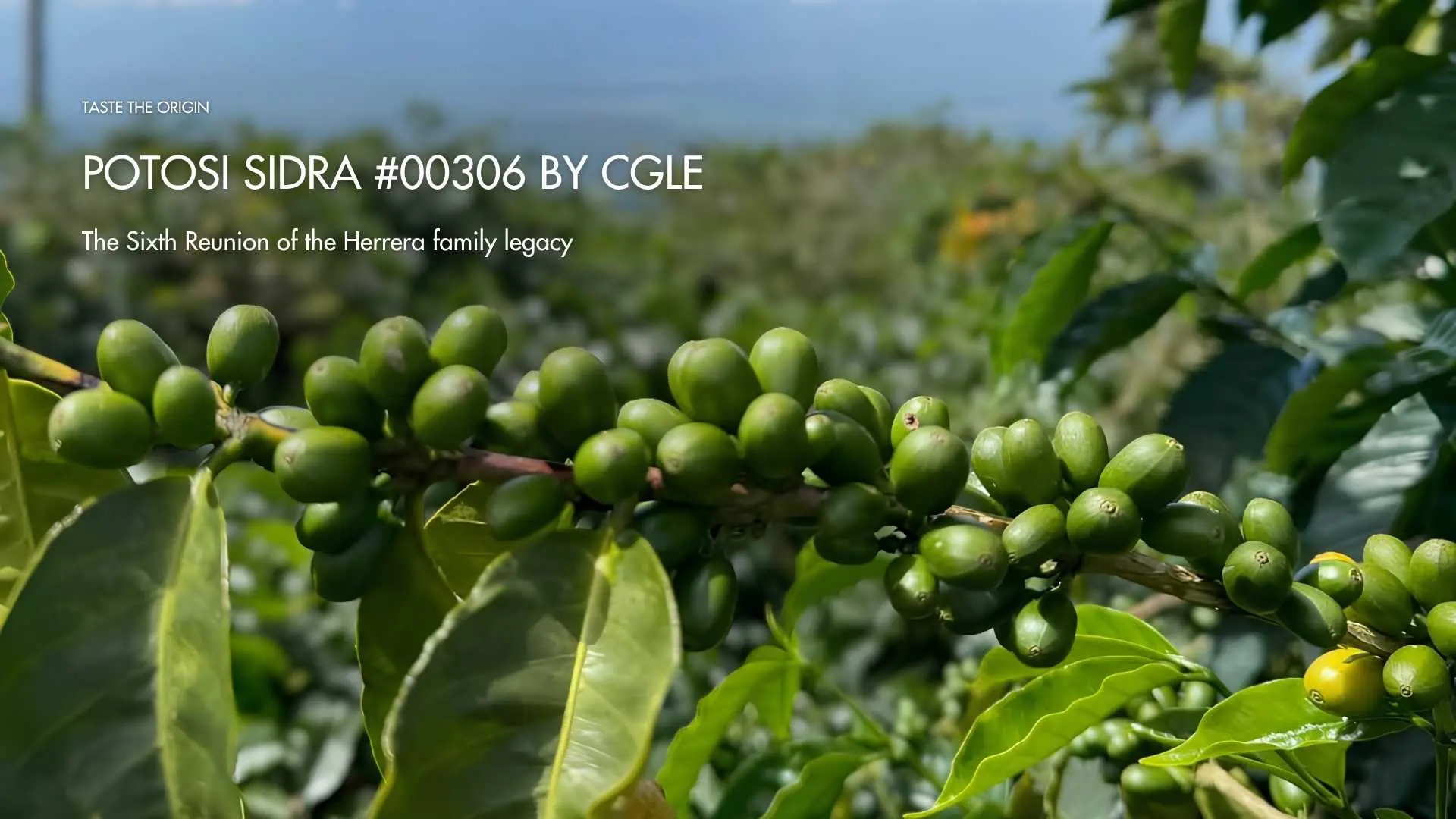
Potosi Sidra #00306 – The sixth reunion of the Herrera family legacy

The sixth harvest marks the return of Potosi Sidra #00306 by CGLE, carrying the presence of a family patriarch entrusted with more than eighty years of heritage from the Herrera family. Cultivated in the founding valley of Potosi since 1945 in Caicedonia, this genetic treasure born from the union of Bourbon and Typica presents a remarkably evolved sensory profile. Through its Extremely Light Roast philosophy and the financial transparency of the Paid for Producer model, XLIII Coffee chooses to preserve the authentic voice of terroir and the coffee’s original flavor structure.

  • Taste the Origin

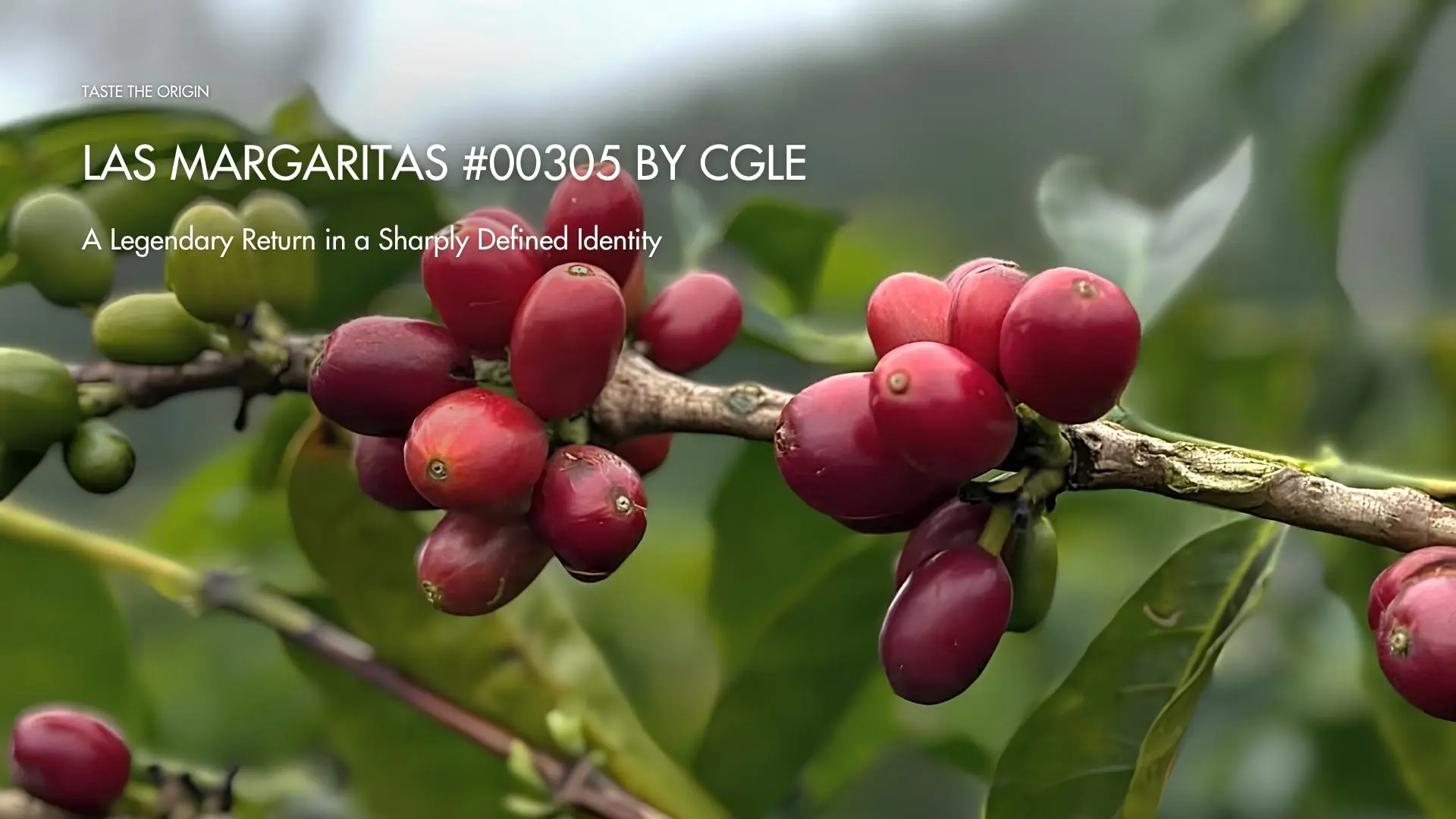
Las Margaritas #00305 by CGLE – A Legend Reunited in a Sharper Identity

Las Margaritas #00305 by CGLE returns to XLIII Coffee as a Gesha masterpiece reborn from the renowned Valle del Cauca region. Infused with the exquisite craftsmanship of Café Granja La Esperanza, this rare batch of coffee embarks on an enchanting flavor journey with vibrant citrus notes, delicate jasmine, and an elegant, lingering Earl Grey finish. Each drop is a crystallization of fertile volcanic soil and the sustainable farming philosophy that CGLE has persistently pursued for decades, creating a full-bodied, sharp flavor profile while retaining the pristine beauty characteristic of the royal Gesha variety.

  • Find the Origin

Mandela coffee variety – A convergence of generations from a masterpiece breeding strategy

Amidst the constant fluctuations of the era, Mandela emerges as a gentle yet resilient response from the soil. Instead of attempting to alter or impose upon nature, this breeding strategy is, in essence, a profound act of listening. Each Mandela coffee bean carries the bloodline of multiple generations, possessing both the serene, steadfast nature of native trees and the sparkling elegance of premium varieties. It is a sacred continuation, where the flow of generations ultimate honors the original value of the species, imparting an intact and sustainable vitality into every cup.