
Guji Tero #9515 Coffee: Specialty Ethiopian Swiss Water Decaf
Do you think decaf coffee is bland and tasteless? Get ready to change that perception with the Guji Tero #9515 lot. Grown in the majestic Guji highlands, Heirloom seeds undergo a meticulous process to extract their finest qualities, then have the caffeine gently removed through the Swiss Water process. After decaffeination, the beans retain a full-bodied aroma, preserving the essence of their origin.
I. Origin of Guji Tero #9515
Guji Tero #9515 is a Specialty Coffee lot, rated by the SCA, grown in the Odo Shakiso region of the Guji Zone, Ethiopia. This lot uses the Heirloom variety, a wild native coffee species that has been preserved through generations in Ethiopia. This variety embodies the distinctive characteristics of the land known as the birthplace of coffee.
Guji Tero coffee is produced through the Shakiso Tero Outgrowers project, cultivated and processed by the Tero farm at the Shakiso Washing Station. With altitudes ranging from 1,800 to 2,200 meters above sea level, this area benefits from a cool climate and mineral-rich volcanic soil, providing ideal conditions for coffee cultivation. The diversity in altitude and vegetation in Guji creates unique microclimates, contributing to the rich flavor profile and high quality of its coffee.

This coffee batch uses the Heirloom variety from Ethiopia
II. Guji Tero Coffee Production Process #9515
Guji Tero #9515 is a natural decaf coffee from Ethiopia, decaffeinated using the Swiss Water method. From the hands of farmers in the remote Guji region to the Swiss Water decaffeination process, each step is carefully designed to achieve one goal: to offer a healthy coffee experience without losing its original soul.
Cultivation and Processing
Guji Tero #9515 is cultivated on a farm in the Guji region using organic methods to ensure environmental sustainability and the preservation of the local ecosystem. The farmers involved in the cultivation are extensively trained, adhering to good agricultural practices, with a strong focus on soil, water, and biodiversity conservation. The entire coffee harvesting process is done by hand, allowing farmers to easily sort and select the perfectly ripened cherries, ensuring the best quality for each batch.
The processing of Guji Tero #9515 follows the Natural method (sun-dried). After harvest, the coffee is taken to the Shakiso washing station for processing. Each batch of coffee is carefully recorded to ensure transparency in sourcing and production processes, providing trust for consumers. Shakiso is also a key hub for many smallholder farms in the Guji region, connecting them with global markets.
The coffee cherries are spread evenly on drying beds, exposed to direct natural sunlight and regularly turned to ensure uniform drying. The entire processing process is strictly monitored under the HACCP (Hazard Analysis and Critical Control Point) system, a food safety management system designed to analyze and control potential hazards that could affect product quality.

Guji Tero #9515 is grown organically on a farm in the Guji region, ensuring sustainability for the local environment and ecosystem
Swiss Water Decaf Process
After undergoing a rigorous cultivation and processing method, the Guji Tero #9515 lot continues with the decaffeination process to produce Decaf coffee.
What sets Guji Tero #9515 apart is its decaffeination process using the Swiss Water Decaf method – an advanced technology that uses pure water to remove caffeine. In this process, the green coffee beans are soaked in water to allow the natural soluble compounds to dissolve. The water is then filtered through a carbon filter to remove the caffeine while preserving all the flavor compounds and dissolved solids. This method not only ensures the coffee retains its pure flavor but also meets high safety standards, as no chemical solvents are used.
Thanks to the meticulous control and attention to detail at every step – from selecting ripe cherries to decaffeination – Guji Tero #9515 offers a high-quality decaf coffee experience with a natural, full-bodied, and balanced flavor. This makes it the perfect choice for Specialty Coffee lovers who want to reduce their daily caffeine intake without compromising on taste.

After going through a rigorous cultivation and processing process, Guji Tero batch #9515 continues with the decaffeination process to obtain Decaf coffee
III. How does Guji Tero #9515 coffee taste after decaf?
One of the biggest challenges with decaf coffee is retaining the original flavor after caffeine is removed. However, with Guji Tero #9515, the Swiss Water Decaf process ensures that the natural flavor profile is impressively preserved.
This coffee lot has a flavor profile reminiscent of citrus, herbs, and wine. From the first sip, a refreshing citrus aroma blends with gentle herbal notes, creating a harmonious balance. Occasional hints of wine add depth and complexity to the flavor. What’s remarkable is that even after the decaffeination process, the aftertaste of the coffee still clearly reflects these characteristics – lingering, smooth, and leaving a pleasant sensation after each sip.
Those familiar with Ethiopia Sidamo coffee will recognize that Guji Tero #9515 decaf retains the full flavor profile of Ethiopian coffee, with its intricate layers of natural flavors woven together delicately. This rich and smooth flavor makes Guji Tero #9515 an excellent choice for Specialty Coffee lovers who want to enjoy great coffee without consuming too much caffeine.

This coffee lot has an aromatic profile reminiscent of citrus, herbs and wine
IV. XLIII Coffee preserves the value of Guji Tero #9515 from Ethiopia to the end user
Transparency in the Journey of Guji Tero #9515 to XLIII Coffee
From the small farmers at Tero Farm, each coffee bean carries with it the original, precious values of the land. At XLIII Coffee, we are committed to preserving and promoting these values, delivering coffee that is not only delicious but also meaningful. XLIII Coffee applies an indirect trade model for the Guji Tero #9515 coffee transaction. This approach is designed to minimize intermediaries and establish the closest connection with the producer, ensuring that farmers receive a fair price that reflects their hard work and the quality of their product.
The process of controlling and verifying the origin is also carried out meticulously and thoroughly. With every careful step, we are dedicated to providing customers with accurate and up-to-date information about the coffee’s origin. This is not only an essential factor in giving consumers peace of mind but also serves as proof of our commitment to transparency and ethics in all our transactions.

XLIII Coffee applies indirect trade method in Guji Tero #9515 coffee transaction
Guji Tero #9515 with Extremely Light Roast at XLIII Coffee
XLIII Coffee understands that preserving the quality of coffee is not only about maintaining its unique flavors but also a way to show respect for the farmers and their hard work. Each cup of Guji Tero #9515 that we serve is the result of a long journey, driven by a commitment to ethics and sustainability, allowing farmers to thrive while delivering the best coffee experience to our customers.
The Guji Tero #9515 coffee at XLIII Coffee is roasted using an extremely light roasting method. With this roast level, the beans are roasted at a lower temperature than traditional methods, preserving natural characteristics such as fresh fruit flavors, floral aromas, and natural sweetness.
The roasting time is carefully controlled, ensuring the beans reach just the right level of maturity without losing valuable flavor compounds. This process results in a smooth, pleasant flavor while maintaining complexity, brightness, and perfect balance.

XLIII Coffee understands that preserving coffee quality is not only about preserving special flavors but also a way to show respect for farmers and their efforts
Conclusion
Guji Tero #9515: A Specialty Ethiopian coffee, decaffeinated using the Swiss Water Decaf method, offers a unique experience by preserving the essence of Ethiopia’s rich flavor profile while being a great choice for those looking to reduce their caffeine intake. This natural decaffeination process maintains the coffee’s freshness and complexity, highlighting bright fruit notes, delicate floral hints, and a gentle natural sweetness.
If you’re a coffee enthusiast, visit XLIII Coffee to experience this exceptional Specialty Decaf Coffee!
Image provided by XLIII Coffee’s partner
V. FAQs
1. What Makes Guji Tero #9515 Stand Out?
Guji Tero #9515 stands out for its refined flavor profile, featuring vibrant fruit notes, delicate floral hints, and a natural sweetness. This coffee is one of Ethiopia’s Specialty varieties, offering exceptional complexity and brightness in every cup.
2. How Does the Swiss Water Decaf Method Affect Guji Tero #9515?
The Swiss Water Decaf method naturally removes caffeine while preserving the coffee’s original flavors and complexity. This process ensures a decaf coffee that remains fresh, rich, and nuanced, delivering a full-bodied and sophisticated experience similar to regular coffee.
3. Where Is Guji Tero #9515 Grown, and Who Produces It?
Guji Tero #9515 is grown in the Guji region of Ethiopia, renowned for its fertile soil and ideal climate for cultivating Specialty coffee varieties. It is produced by experienced farmers at Tero Farm, who participate in agronomy and processing training programs to ensure the highest quality standards.
4. How Can Guji Tero #9515 Be Enjoyed?
Guji Tero #9515 is suitable for various brewing methods, such as pour-over, filter coffee machines, or espresso. The extremely light roast profile helps retain the coffee’s natural flavors, offering a fresh and vibrant coffee experience.
5. Who Is Guji Tero #9515 Suitable For?
Guji Tero #9515 is perfect for Specialty coffee lovers seeking a caffeine-free option without compromising flavor or complexity. It’s an ideal choice for those who value quality, sustainability, and authenticity in every cup of coffee.

Bài viết mới
- Find the Origin
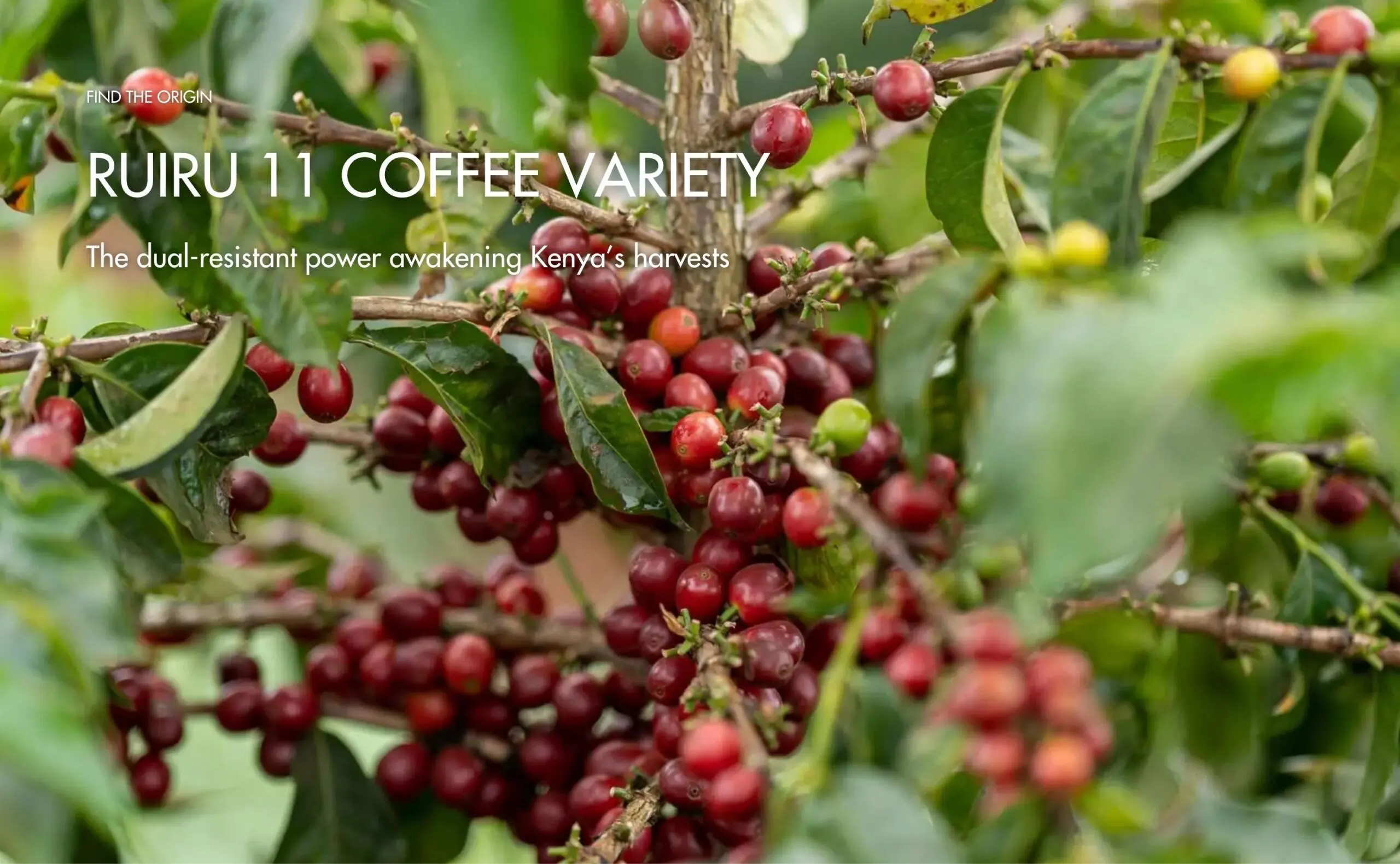
Ruiru 11 coffee variety – The dual-resistant power awakening Kenya’s harvests
Born from the ashes of a devastating pandemic, Ruiru 11 is a resilient response of indigenous wisdom to the trials of nature. Carrying a complex genetic code from 66 sibling isolines, this humbly statured coffee variety possesses superb “dual-resistance” against the twin shadows of Coffee Berry Disease and Coffee Leaf Rust. Overcoming early prejudices and the paradox of trade-offs between yield and flavor, Ruiru 11 has been weaving through nurseries, awakening dormant harvests across highland hillsides, and igniting a proud flame of self-reliance for Kenyan coffee.

- Taste the Origin
Sudan Rume #00313 by CGLE – The origin legend beneath the Eucalyptus canopy
From a wild coffee lineage discovered in the Rume Mountains in the 1940s to the enduring conservation efforts of Café Granja La Esperanza, Sudan Rume #00313 by CGLE invites drinkers on a sensory pilgrimage to the birthplace of the Arabica world. It is a rare biological legacy preserved through unwavering dedication, integrity, and deep reverence for history.
- Taste the Origin
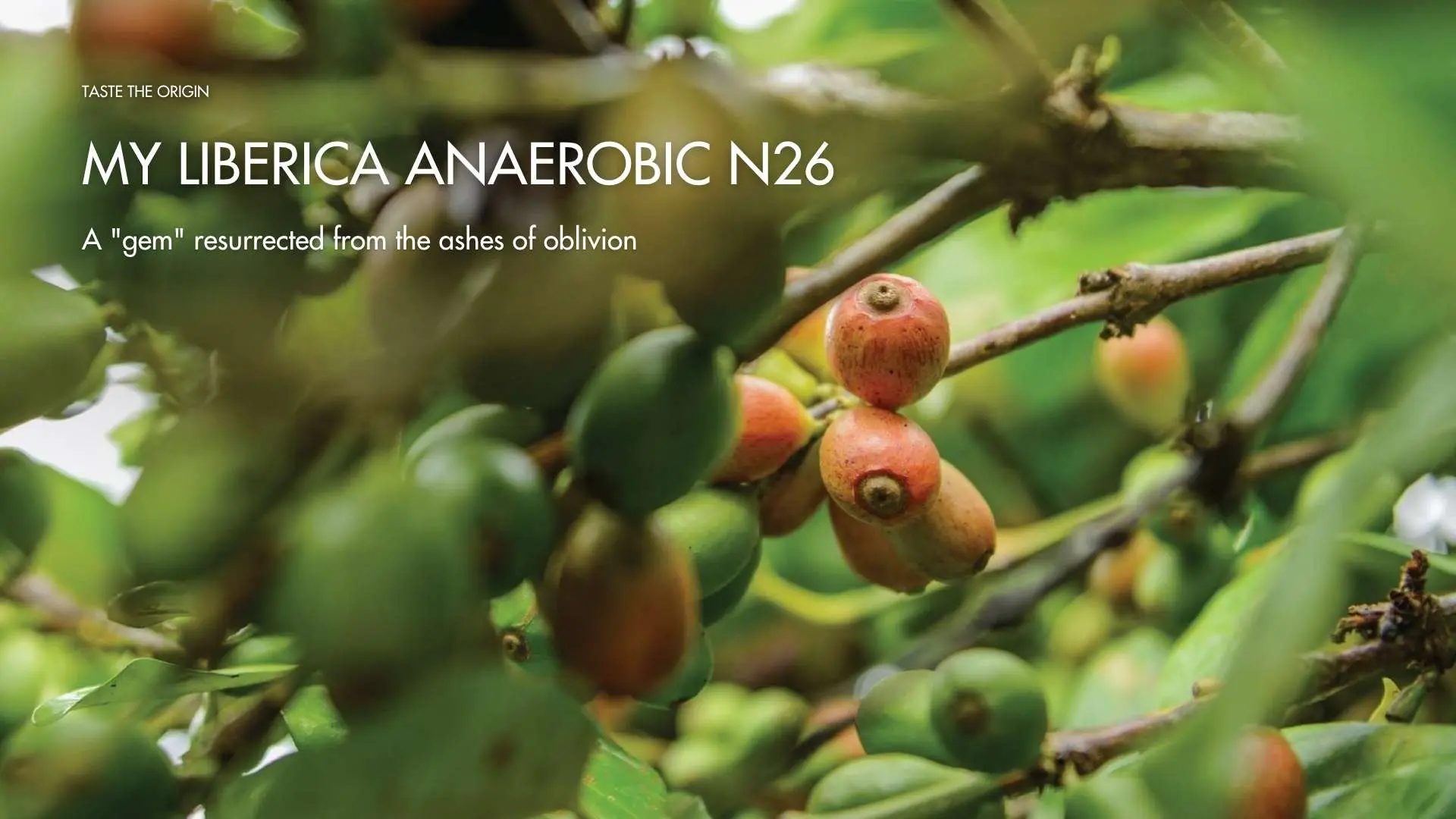
My Liberica Anaerobic N26 – A “gem” resurrected from the ashes of oblivion
The journey of My Liberica Anaerobic N26 is the triumph of a forgotten species, awakened by the depth of understanding, patience, and faith in its original essence. From the heavy clay layers of Kulai to 26 days of transformation in absolute darkness, each step contributes to unlocking layers of flavor that the world once thought could not exist in Liberica. More than just a cup of coffee, My Liberica Anaerobic N26 is a powerful declaration that all great values begin with the courage to delve into their essence, and then rise to a unique voice that resonates throughout the world.


- Taste the Origin
Finca Soledad Mejorado Tyoxy & Fincas Putushio Mejorado – The red thread of the Jijón family
The simultaneous arrival of Finca Soledad Mejorado Tyoxy and Fincas Putushio Mejorado at XLIII Coffee paints a remarkable portrait of the adaptability of the Mejorado variety within Ecuador’s specialty coffee landscape. Nurtured by a shared family philosophy and a commitment to principled cultivation, these two processed lots represent both a breakthrough in microbial innovation and the remarkable return of an exceptional flavor profile.

- Taste the Origin
Finca La Palestina Gesha #5482 – A new chapter in the legend from Cajamarca
From the renowned Cajamarca region, Finca La Palestina Gesha #5482 returns after a period of absence with a proud and fresh appearance. Nurtured in ideal altitude conditions and the cool climate characteristic of the Andes, each coffee bean slowly accumulates subtle flavor nuances before being perfected using the Washed method to maximize the purity of the Gesha variety. Under a carefully refined extremely-light roast profile, this batch of coffee reveals layers of white jasmine, ripe citrus, and sweet golden apricot aromas, interwoven in an elegant and rich flavor structure.

Specialty Coffee in Vietnam
BRAND VALUE
YOU SHOULD HAVE KNOWN
XLIII Coffee has been aiming to become a big, impactful company with social responsibilities,
have access to high-quality raw materials and convey the complete original values of coffee to our customer
