
What is Yellow Bourbon Coffee? How is it Different from Red Bourbon?
Yellow Bourbon is a promising coffee variety that meets high Specialty Coffee standards, originating from Brazil. It is believed to be a natural hybrid of Red Bourbon and Yellow Botucatu or a mutation of Red Bourbon. So, what makes Yellow Bourbon unique, and how does it differ from Red Bourbon? Let’s dive in!
I. What is Yellow Bourbon Coffee?
Yellow Bourbon is one of the earliest Arabica varieties in the Bourbon subgroup, renowned for its exceptional cup quality and significantly higher yield compared to other varieties. First appearing in the 1930s on a Red Bourbon farm near Pederneiras, São Paulo, it is believed to be a result of natural hybridization between Red Bourbon and Yellow Botucatu or a natural mutation of Red Bourbon.
Since its discovery, Yellow Bourbon has garnered the attention of scientists at the Campinas Agronomic Institute (IAC), where official studies began in 1942. After three years of experimentation and selection, 30 Yellow Bourbon strains were cultivated and thoroughly researched. By the 1950s, the most promising varieties, coded “IAC J,” were widely distributed to farmers. This variety proved advantageous in yield and quality, with production tripling between 1949 and 1951.

First appearing in the 1930s on a Red Bourbon farm near the city of Pederneiras, São Paulo, Yellow Bourbon is believed to be the result of a natural cross between Red Bourbon and Yellow Botucatu, or possibly a natural mutation of Red Bourbon
However, in later decades, Yellow Bourbon was gradually replaced by higher-yielding varieties. Despite this, it remains highly regarded for its unique flavor and has played a crucial role in enhancing the value of specialty coffee on the global market.
II. Characteristics of Yellow Bourbon Coffee
Biological Features
As its name suggests, Yellow Bourbon produces striking yellow cherries and shares biological traits similar to other Bourbon varieties. First identified in 1942 by Professor Krug, the yellow color of the cherries is derived from a recessive genetic trait known as "Xanthocarpa," from the Greek words xanthus (yellow) and carpus (fruit).
Yellow Bourbon trees can grow up to 2.8 meters tall, with early-ripening cherries and higher productivity compared to other Bourbon varieties. However, the variety is susceptible to leaf rust and requires meticulous care during cultivation. It shows its best potential when grown at altitudes above 1,000 meters with proper farming, harvesting, and post-harvest practices.

As the name suggests, Yellow Bourbon coffee has eye-catching yellow fruit and biological characteristics relatively similar to other Bourbon varieties
Flavor Profile and Considerations
Yellow Bourbon is known for its vibrant sweetness, marked by distinct citric acidity. Its flavor profile often includes ripe fruit and raisin notes.
According to expert Ensei Neto, the flavor complexity arises from a high fructose content, along with specific organic acids and fatty acids in its beans. Neto also notes that optimizing the flavor of Yellow Bourbon requires precise roasting techniques, such as shorter roast times at higher temperatures to enhance its sweetness and smoothness.
In 2017, during the Cup of Excellence competition, a lot of Brazilian Yellow Bourbon scored 92.33 points in the Pulped Naturals category. This lot was sold at an astonishing $126.00 per pound in auction—100 times the C-market price at the time.

The flavor profile of Yellow Bourbon comes from the variety's beans which have a significant amount of fructose along with some fatty and organic acids
III. Differences Between Yellow Bourbon and Red Bourbon
Both Yellow Bourbon and Red Bourbon belong to the Bourbon lineage, but key differences set them apart in production and flavor characteristics:
|
Criteria |
Yellow Bourbon |
Red Bourbon |
|
Cherry Color |
Yellow when ripe |
Red when ripe |
|
Origin |
Derived from natural mutation or hybridization |
Originates from Bourbon Island |
|
Sugar Content |
High fructose content, resulting in bold sweetness |
High glucose content, offering softer sweetness |
|
Flavor |
Vibrant sweetness with light acidity, ripe fruit, and raisin notes |
Smooth body with balanced sweetness |
|
Yield |
Medium to low |
Higher yield |
|
Disease Resistance |
Prone to leaf rust; requires careful care |
Better resistance but still susceptible to pests |
|
Growing Altitude |
Ideal at elevations above 1,000m |
Thrives at similar elevations |
|
Quality Potential |
Exceptional cup quality with meticulous care |
High-quality coffee with proper care |
IV. Top Yellow Bourbon Coffee Growing Regions
Yellow Bourbon is cultivated in many renowned coffee-growing regions worldwide, from East Africa to Latin America. Countries like Rwanda, Burundi, Kenya, and Tanzania stand out for producing this variety due to their high altitudes and nitrogen-rich volcanic soils, which contribute to its distinctive sweetness and depth.
In Latin America, El Salvador, Guatemala, and Honduras are prominent Yellow Bourbon producers. El Salvador, in particular, is known for its red, yellow, and orange Bourbon varieties, often shade-grown to ensure even ripening and optimal harvest quality. This enhances the sweetness and aromatic complexity, especially in Yellow Bourbon. Colombian coffee farms also produce high-quality Bourbon varieties, including Pink Bourbon, known for its excellent cup scores and consistent yield.

Yellow Bourbon is a coffee variety widely grown in many famous coffee regions around the world, from East African countries to Latin America
Conclusion
Yellow Bourbon is a promising variety in the specialty coffee world, known for its sweet, vibrant flavor, light acidity, and distinctively complex notes. Its unique characteristics, derived from genetic traits and environmental conditions, set it apart from Red Bourbon and make it a prized choice for coffee enthusiasts seeking sophistication and depth in their cup.
Visit XLIII Coffee to savor Yellow Bourbon from some of the world’s finest specialty coffee regions!
Images provided by XLIII Coffee's partners and collected by XLIII Coffee
V. FAQs
1. Where does Yellow Bourbon originate?
Yellow Bourbon was first discovered in Brazil in the 1930s as a result of natural hybridization between Red Bourbon and Yellow Botucatu. It quickly gained popularity for its high yield and exceptional cup quality.
2. What makes Yellow Bourbon unique compared to other Bourbon varieties?
Its distinctive yellow cherries, resulting from a recessive genetic mutation, offer vibrant sweetness, light acidity, and complex flavor notes.
3. What climate and altitude suit Yellow Bourbon best?
Yellow Bourbon thrives at altitudes above 1,000 meters, particularly in nitrogen-rich volcanic soils found in Brazil, Rwanda, and Burundi.
4. What is the flavor profile of Yellow Bourbon?
Yellow Bourbon features a sweet profile with ripe fruit and raisin notes, complemented by light acidity. It is praised for its smooth and approachable character.
5. Is Yellow Bourbon easy to cultivate?
While Yellow Bourbon has high-quality potential, it requires careful attention to prevent diseases like coffee leaf rust. Proper farming and processing practices are essential for maximizing its potential.

Bài viết mới
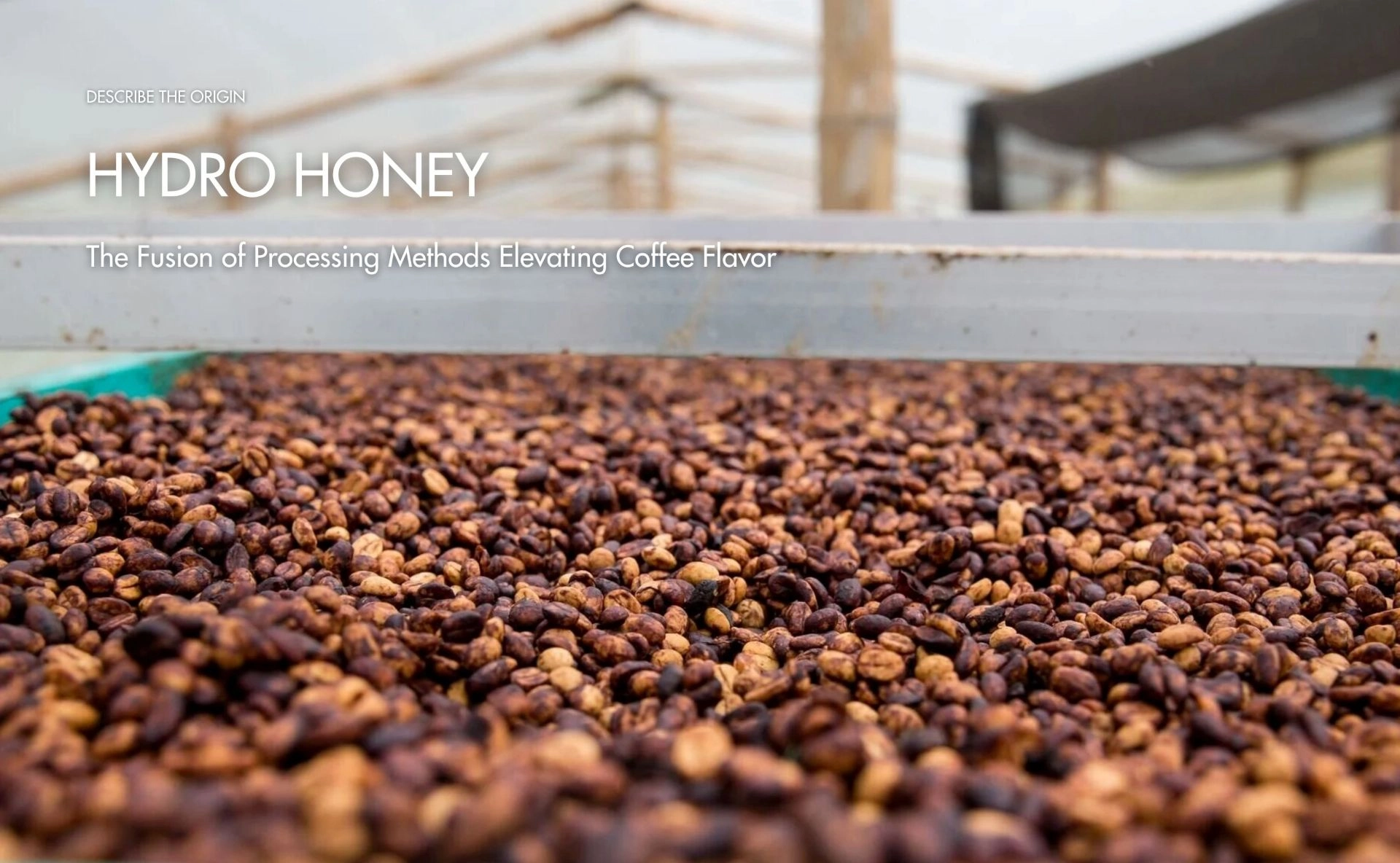
- Describe the Origin
Hydro Honey – The Fusion of Processing Methods Elevating Coffee Flavor
Hydro Honey is a processing method that combines the essence of washed, natural, and honey processes, creating a unique technique that delivers profound coffee flavors. Thanks to the intelligent blend of science and nature, Hydro Honey helps coffee beans maintain their cleanliness, natural sweetness, and captivating flavor complexity.

- Breaking News
Spending on Specialty Coffee: A Wasteful Choice or Perfectly Justified by Personal Value Systems?
In an era where every spending decision reflects a part of who we are, dropping a few hundred thousand dong on a cup of specialty coffee has become a subject of intense debate. For some, it might be unnecessary extravagance; yet for others, it is a worthwhile investment in a form of experience. Here, we don’t attempt to prove which viewpoint is right or wrong, but rather delve into how personal value systems shape the perception of “expensive vs. cheap” and explain why the same cup of coffee can hold different meanings for different people.

- Find the Origin
Aramosa Coffee Variety – The “Newcomer” Under Research and Trial Cultivation in Brazil
Aramosa is a unique natural hybrid coffee variety between Arabica and Racemosa, developed by researchers in Brazil. Aramosa is currently in the trial cultivation phase across various climatic regions in Brazil to assess its quality, yield, and commercial potential. Combining the advantages of two famous coffee species, Aramosa is expected to become a promising “newcomer” in the global coffee industry.

- Breaking News
XLIII Coffee Announces a Price Adjustment for Hunter Subscription
Throughout our journey in pursuit of pure and authentic flavor notes, XLIII Coffee has always regarded every customer as a companion – true “Hunters” on the path of flavor exploration. For that reason, the Hunter Subscription was created not merely as a promotional program, but as a promise of long-term commitment – our way of caring for your refined morning coffee rituals.
To uphold that promise amid market fluctuations, and above all, to protect the integrity of our sustainable supply chain, XLIII Coffee would like to officially inform you of the price adjustment for the Hunter Subscription in 2026.

- Taste the Origin
Amatenango de la Frontera 90-1903 Coffee: The Pure Essence of Chiapas Highlands
Amatenango de la Frontera 90-1903 is the essence of the Chiapas highlands, where majestic mountains, a cool climate, and mineral-rich soil create ideal conditions for coffee cultivation. From traditional manual farming to meticulous selective harvesting, this coffee lot is a testament to the journey of experiencing the Chiapas terroir’s finesse in every small sip.

- Find the Origin
Garnica Coffee Variety Balancing High Yield and Stable Quality
Garnica coffee variety is one of the rare Arabica varieties that achieves harmony between farming efficiency and sensory value. Bred from the renowned Mundo Novo and Caturra lines, Garnica inherits strong growth, good disease resistance, and stable production over multiple harvests. However, what makes Garnica a popular choice for many farms is not just its yield, but its consistent bean quality.
