
Wild coffee cultivation – Prospects for recovery and development of industry diversity
Before agricultural cultivation, coffee grew naturally on its own for many centuries. To this day, in African countries, wild coffee cultivation is still preserved and developed throughout the forests, bringing a significant source of income to farmers who practice wild coffee cultivation. Furthermore, thanks to the unique genetic codes coming from wild coffee varieties, researchers can improve the resilience of the broader coffee supply chain. To learn more, explore with XLIII Coffee!
What does wild coffee farming mean?
Wild coffee is coffee that grows naturally, with no or limited human intervention in the growing process. Wild coffee farming is a method of letting coffee cherries grow on wild coffee trees before harvesting at appropriate times. Currently, the majority of wild-grown coffee is Arabica and Robusta, in some areas along the Coffee Belt such as equatorial African countries, Madagascar and some parts of Asia. However, there are more than 120 other species of coffee, many of which are not intentionally grown.

Charles Denison – a coffee geneticist from Cultivar in South Africa said that wild coffee plants like Coffea racemosa often grow slowly and have small seeds. Wild coffee farms are quite small, so it is difficult to consistently assess quality and flavor characteristics from year to year. But the flavor of wild coffee is very rich and diverse. For example, racemosa has many aromas such as cloves, cinnamon and licorice, and some studies even show that it has flavors such as mint and grapes. Because they are grown on a small scale, with limited productivity but high quality, wild coffees often have very high prices, which can help farmers increase their income.

Wild coffee cultivation improves genetic diversity
According to the International Union for Conservation of Nature’s Red List, about 60% of all identified coffee species are at risk of extinction. Furthermore, climate change continues to pose a significant threat to the future of the coffee industry. By 2050, it is predicted that four of the top five coffee-producing countries (Brazil, Vietnam, Colombia and Indonesia) will experience a large reduction in land suitable for coffee production.

Faced with this situation, researchers said that through studying wild coffee plants, they can create rootstocks that can be grafted onto other species. Largely because wild coffee plants often have innate characteristics that allow them to adapt more to environmental changes. Therefore, if the test is successful, the market will have new types of coffee with better climate resistance. For example, the stenophylla variety (believed to have originated in West Africa) could improve the genetic diversity of Arabica coffee varieties.

Challenges when developing wild coffee cultivation
Jorge Castro is Production and Sales Manager at Café Inmaculada in Colombia. Some wild coffees are susceptible to pests and diseases, because they have not been purposely bred for disease resistance. For example, Laurina is susceptible to coffee leaf rust and causes heavy losses to growers. Or the Eugenioides variety is a bit more resistant to disease, but its fruits can easily fall off the branches, especially in strong winds. This causes farmers to lose a significant amount of coffee, affecting profits. In addition, wild coffee yields are quite low, so despite their high prices, growing them is often economically unsustainable. Their commercial viability is also uncertain because consumers may prefer familiar flavors.

So for the coffee industry to be sustainable in the future, wild coffee cultivation must increase the scale of production appropriately. Scientists need to do more research on these species and varieties, to determine quality, yield and production methods that optimize performance. Producers need to be better equipped to implement best farming practices, including harvesting techniques and processing methods. In addition, industry stakeholders need to promote marketing and promotion of wild coffees to consumers, creating motivation for farmers to develop sustainable wild coffee farming.

Climate change continues to threaten the future of the coffee production industry. Meanwhile, growing wild coffee could be a path to improving the longevity and resilience of coffee trees. However, to develop sustainably, the coffee industry requires research efforts from scientists, support and advocacy from the entire supply chain from producers to consumers. If you want to enjoy original specialty coffee flavors, visit XLIII Coffee!
Don’t forget to follow XLIII Coffee’s Journal channel to update new news in the coffee industry.
Articles you may be interested in:
– What is pour over coffee? The foundation and future of pour over in the new era
– What does the CoE’s new code mean for specialty coffee producers?

Bài viết mới
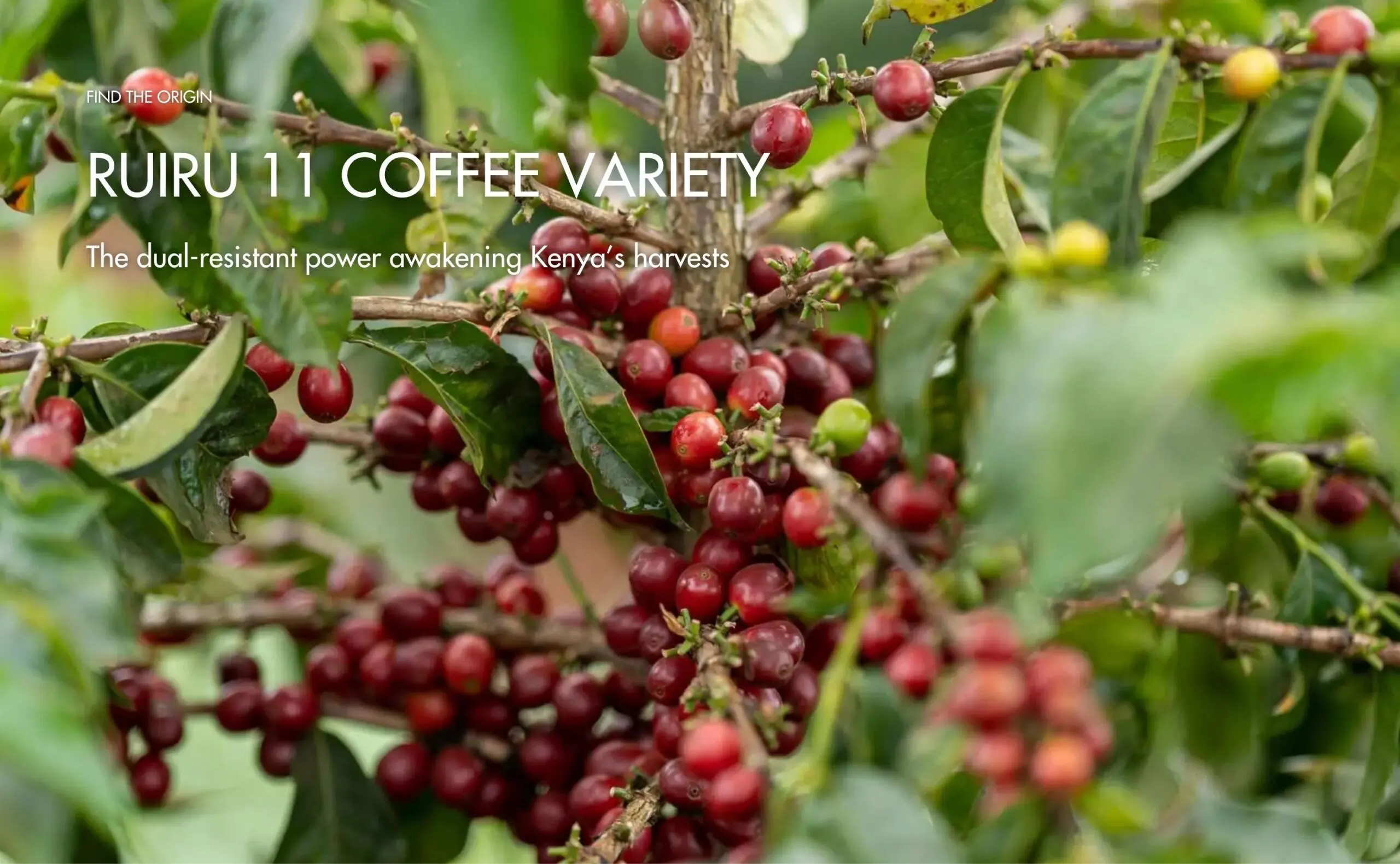
- Find the Origin
Ruiru 11 coffee variety – The dual-resistant power awakening Kenya’s harvests
Born from the ashes of a devastating pandemic, Ruiru 11 is a resilient response of indigenous wisdom to the trials of nature. Carrying a complex genetic code from 66 sibling isolines, this humbly statured coffee variety possesses superb “dual-resistance” against the twin shadows of Coffee Berry Disease and Coffee Leaf Rust. Overcoming early prejudices and the paradox of trade-offs between yield and flavor, Ruiru 11 has been weaving through nurseries, awakening dormant harvests across highland hillsides, and igniting a proud flame of self-reliance for Kenyan coffee.

- Taste the Origin
Sudan Rume #00313 by CGLE – The origin legend beneath the Eucalyptus canopy
From a wild coffee lineage discovered in the Rume Mountains in the 1940s to the enduring conservation efforts of Café Granja La Esperanza, Sudan Rume #00313 by CGLE invites drinkers on a sensory pilgrimage to the birthplace of the Arabica world. It is a rare biological legacy preserved through unwavering dedication, integrity, and deep reverence for history.
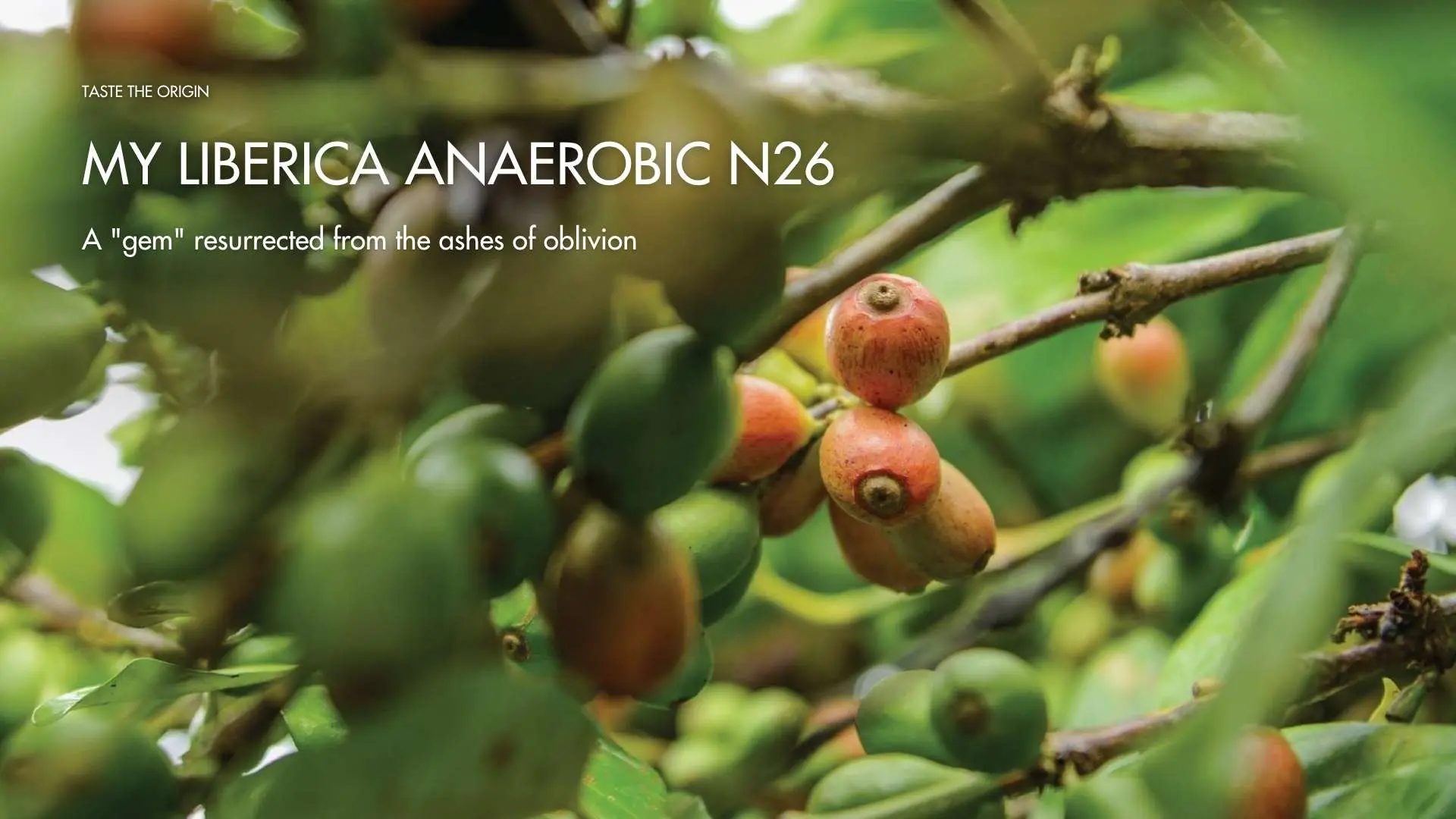
- Taste the Origin
My Liberica Anaerobic N26 – A “gem” resurrected from the ashes of oblivion
The journey of My Liberica Anaerobic N26 is the triumph of a forgotten species, awakened by the depth of understanding, patience, and faith in its original essence. From the heavy clay layers of Kulai to 26 days of transformation in absolute darkness, each step contributes to unlocking layers of flavor that the world once thought could not exist in Liberica. More than just a cup of coffee, My Liberica Anaerobic N26 is a powerful declaration that all great values begin with the courage to delve into their essence, and then rise to a unique voice that resonates throughout the world.


- Taste the Origin
Finca Soledad Mejorado Tyoxy & Fincas Putushio Mejorado – The red thread of the Jijón family
The simultaneous arrival of Finca Soledad Mejorado Tyoxy and Fincas Putushio Mejorado at XLIII Coffee paints a remarkable portrait of the adaptability of the Mejorado variety within Ecuador’s specialty coffee landscape. Nurtured by a shared family philosophy and a commitment to principled cultivation, these two processed lots represent both a breakthrough in microbial innovation and the remarkable return of an exceptional flavor profile.

- Taste the Origin
Finca La Palestina Gesha #5482 – A new chapter in the legend from Cajamarca
From the renowned Cajamarca region, Finca La Palestina Gesha #5482 returns after a period of absence with a proud and fresh appearance. Nurtured in ideal altitude conditions and the cool climate characteristic of the Andes, each coffee bean slowly accumulates subtle flavor nuances before being perfected using the Washed method to maximize the purity of the Gesha variety. Under a carefully refined extremely-light roast profile, this batch of coffee reveals layers of white jasmine, ripe citrus, and sweet golden apricot aromas, interwoven in an elegant and rich flavor structure.

Specialty Coffee in Vietnam
BRAND VALUE
YOU SHOULD HAVE KNOWN
XLIII Coffee has been aiming to become a big, impactful company with social responsibilities,
have access to high-quality raw materials and convey the complete original values of coffee to our customer
